The Anticipation Builds
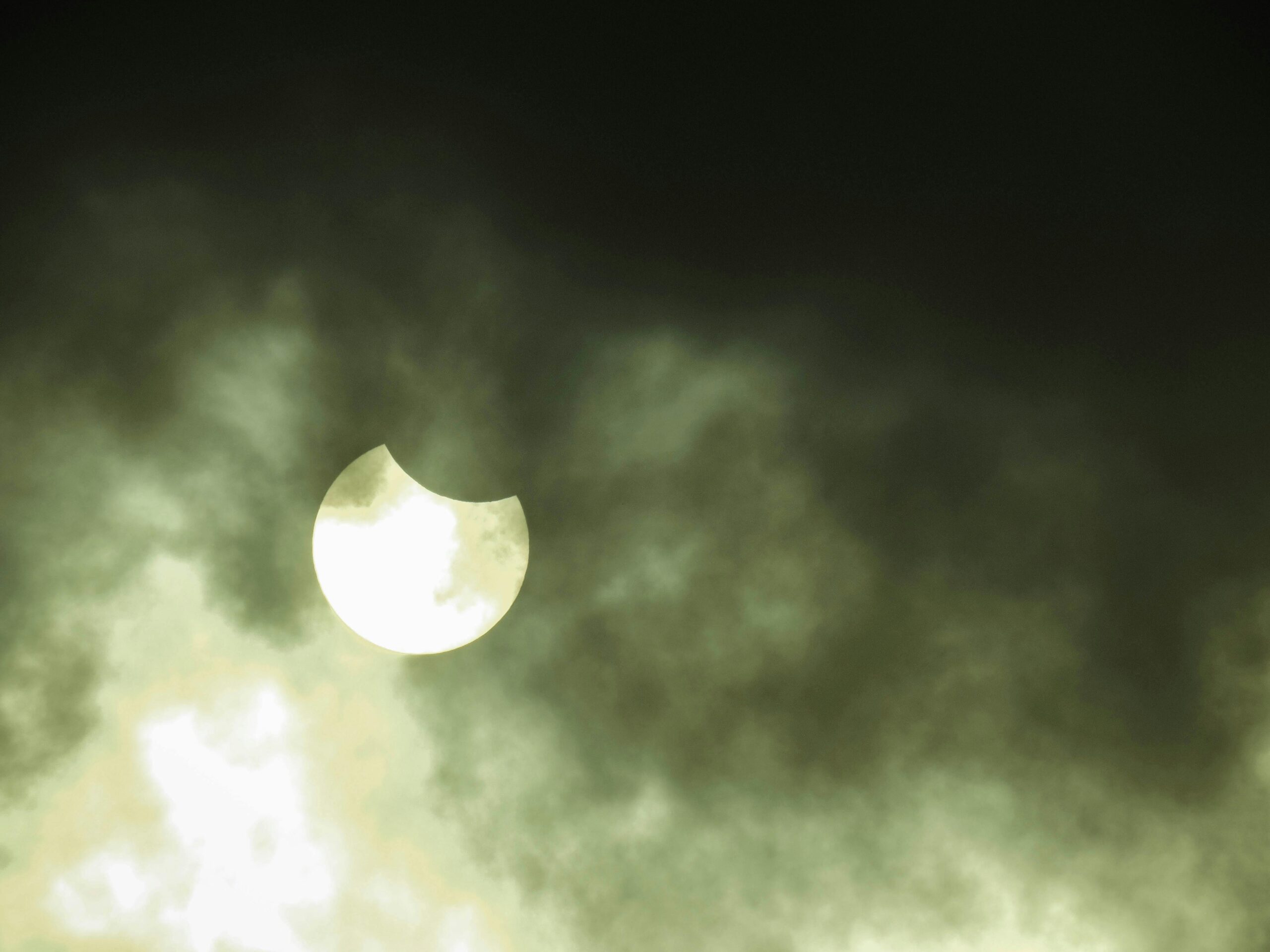
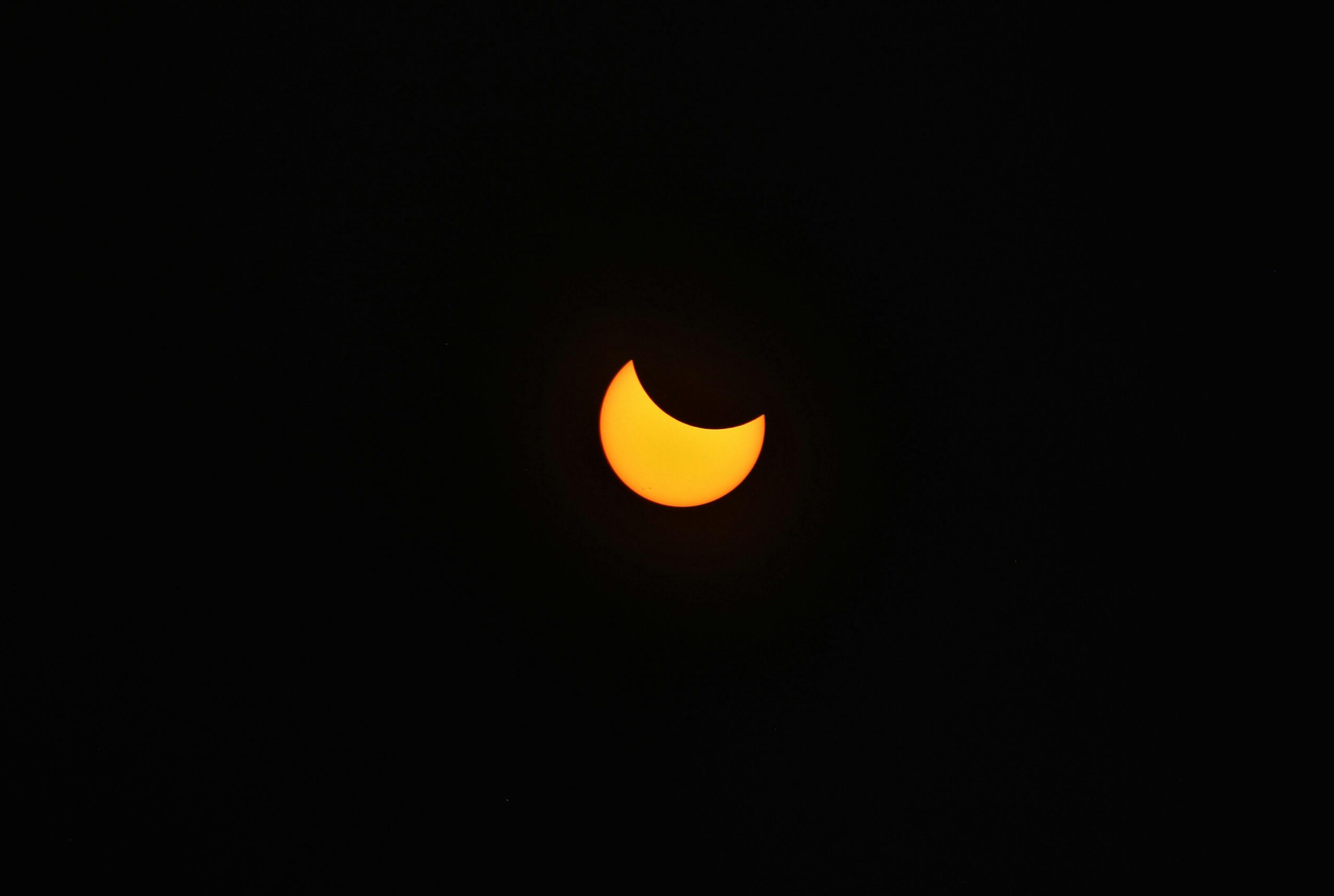
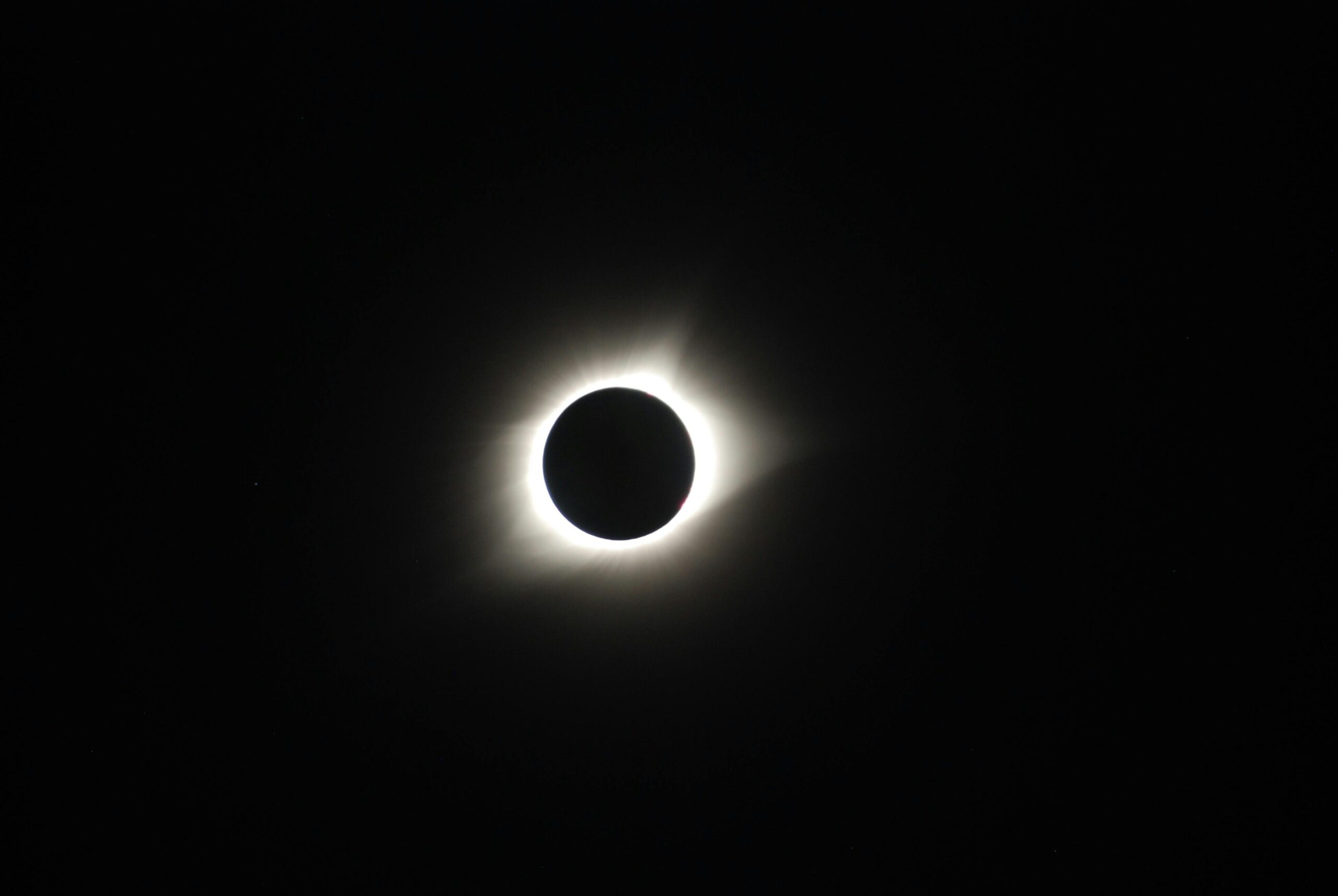
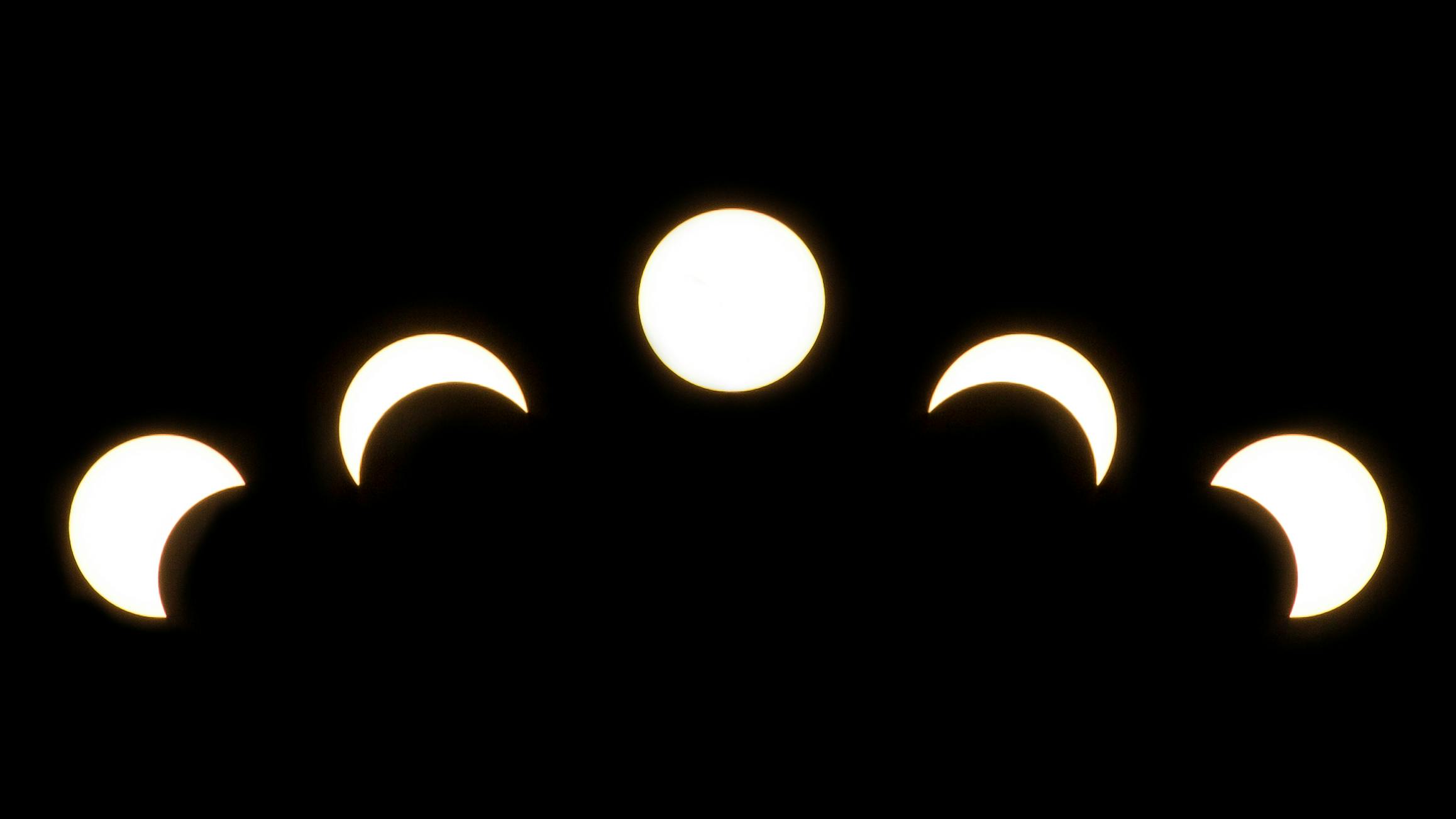
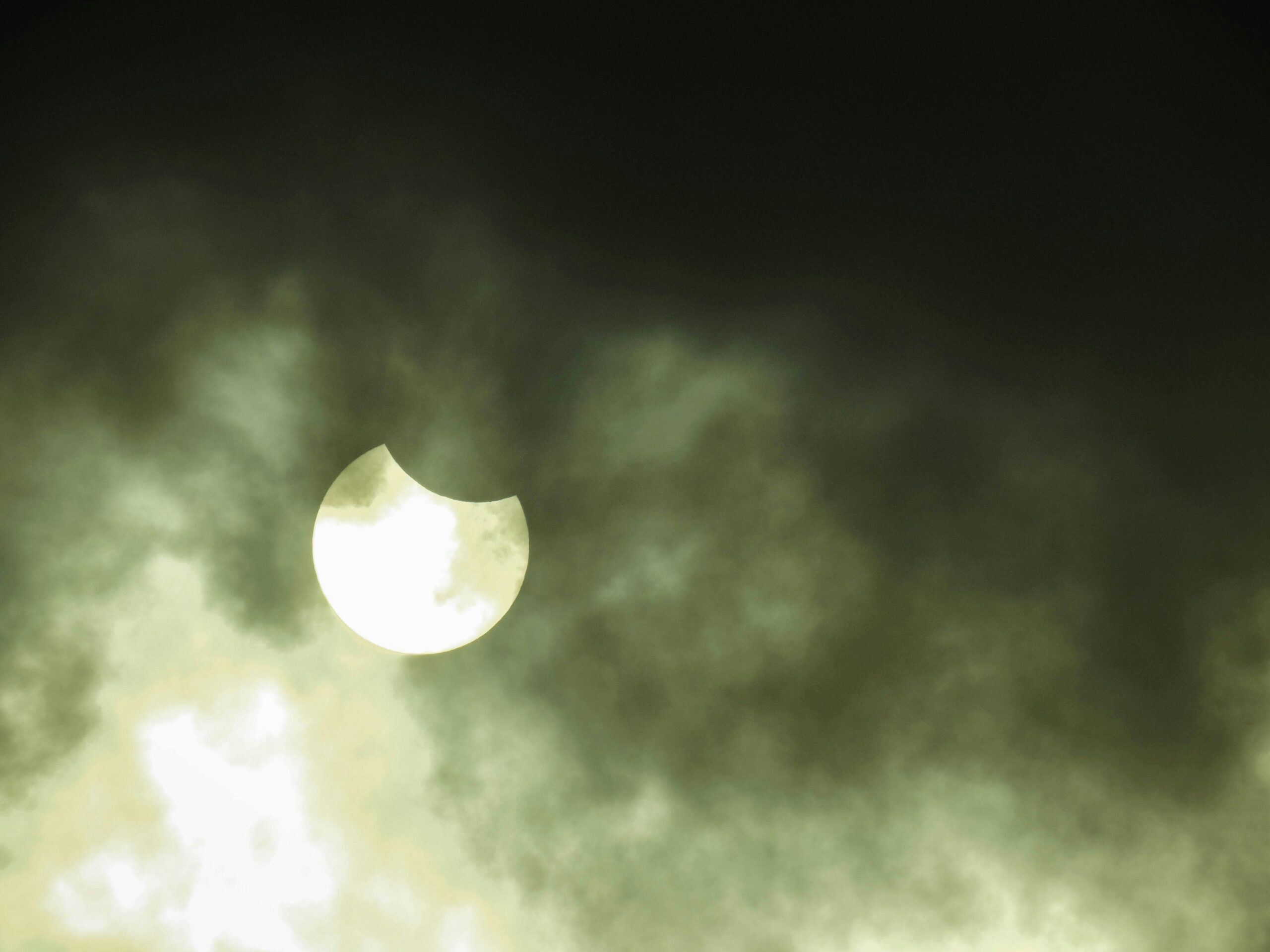
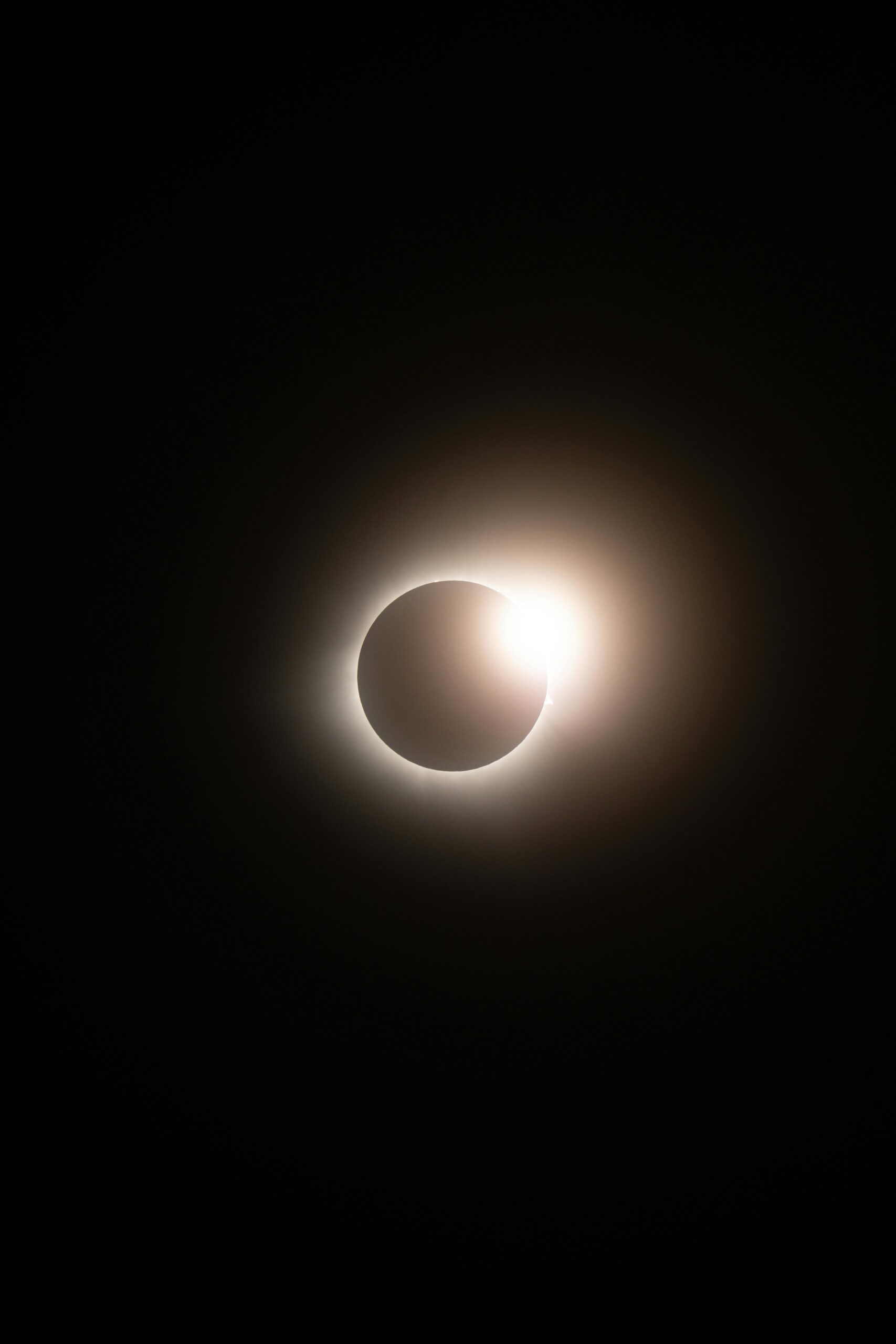
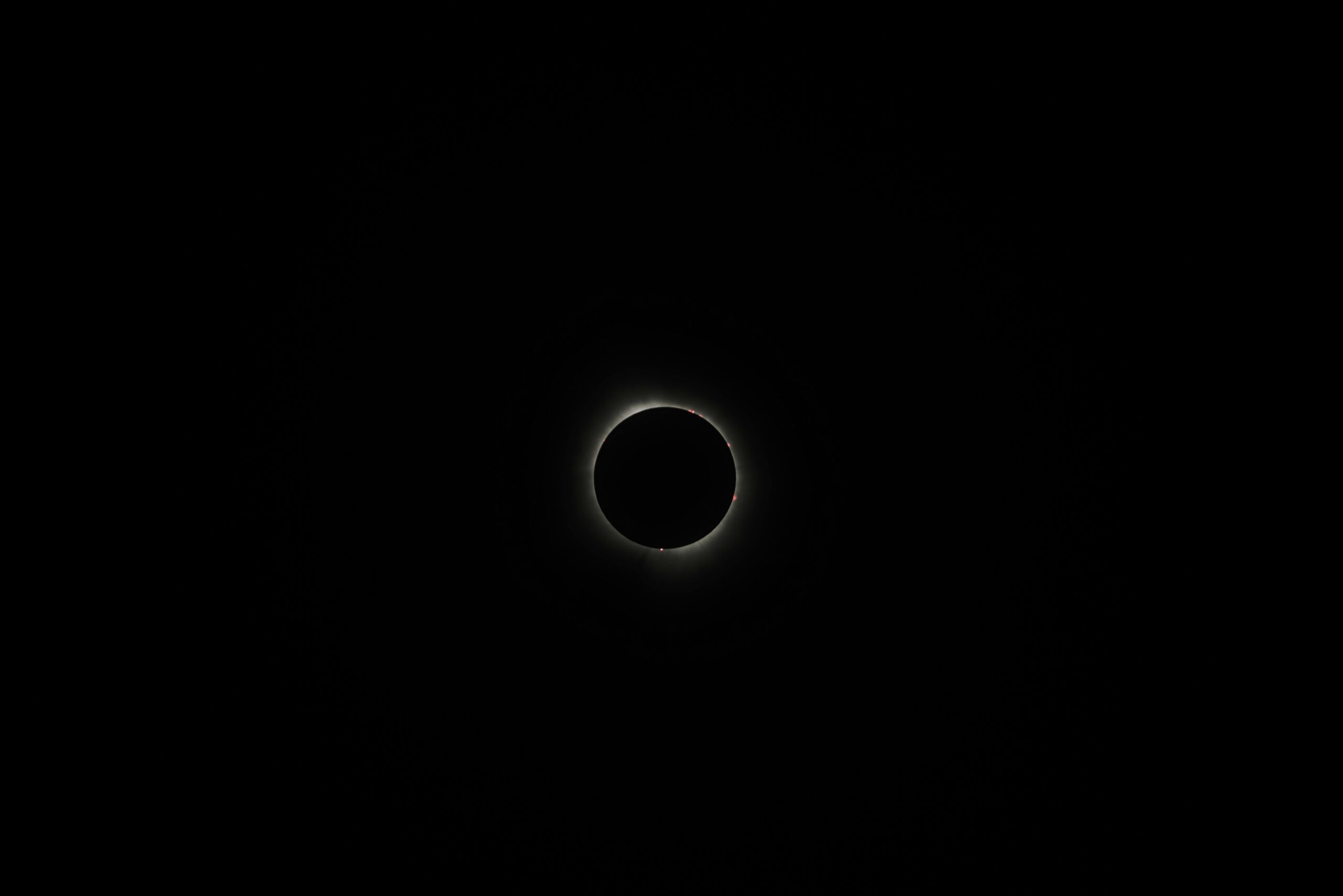
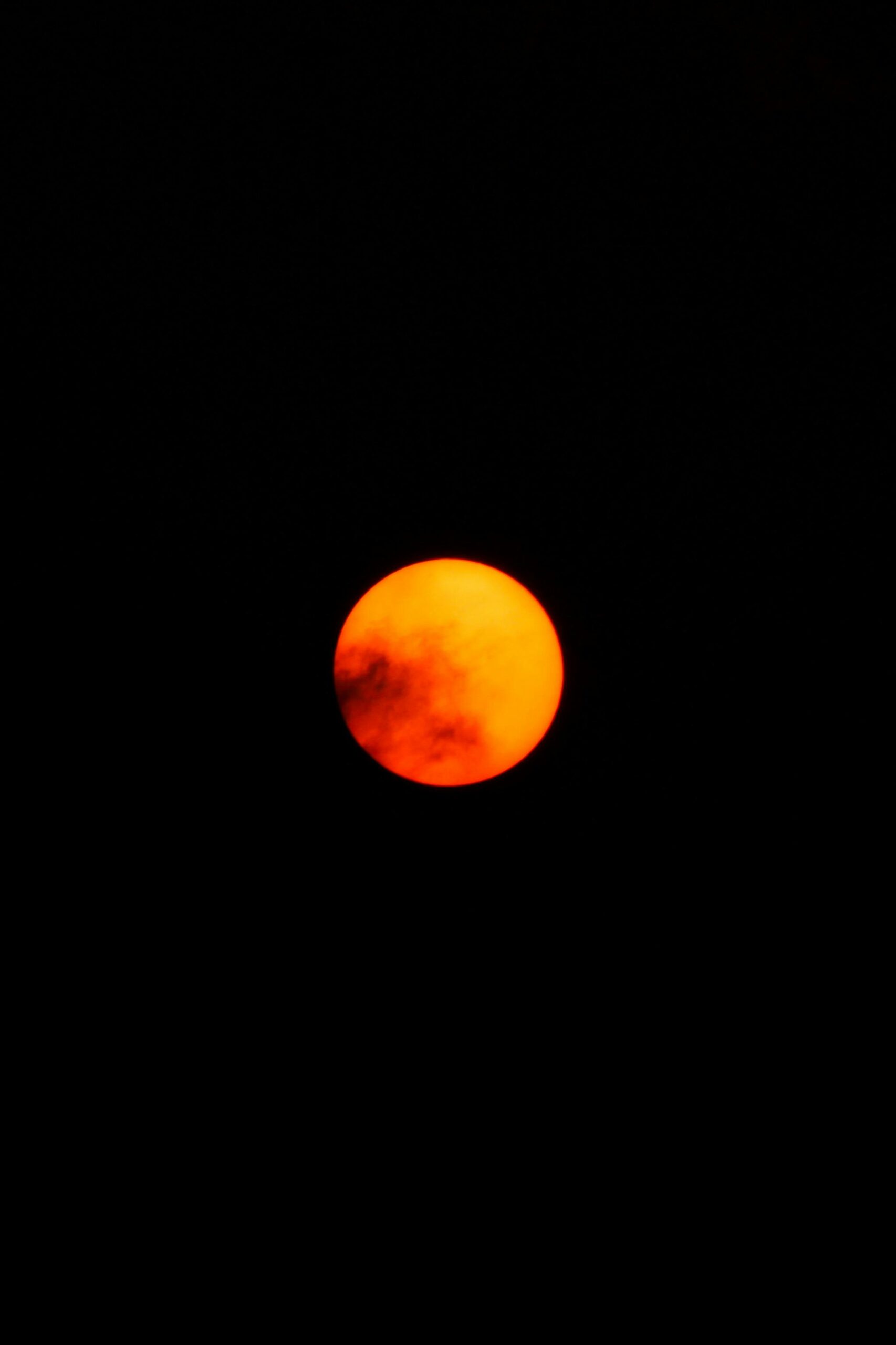
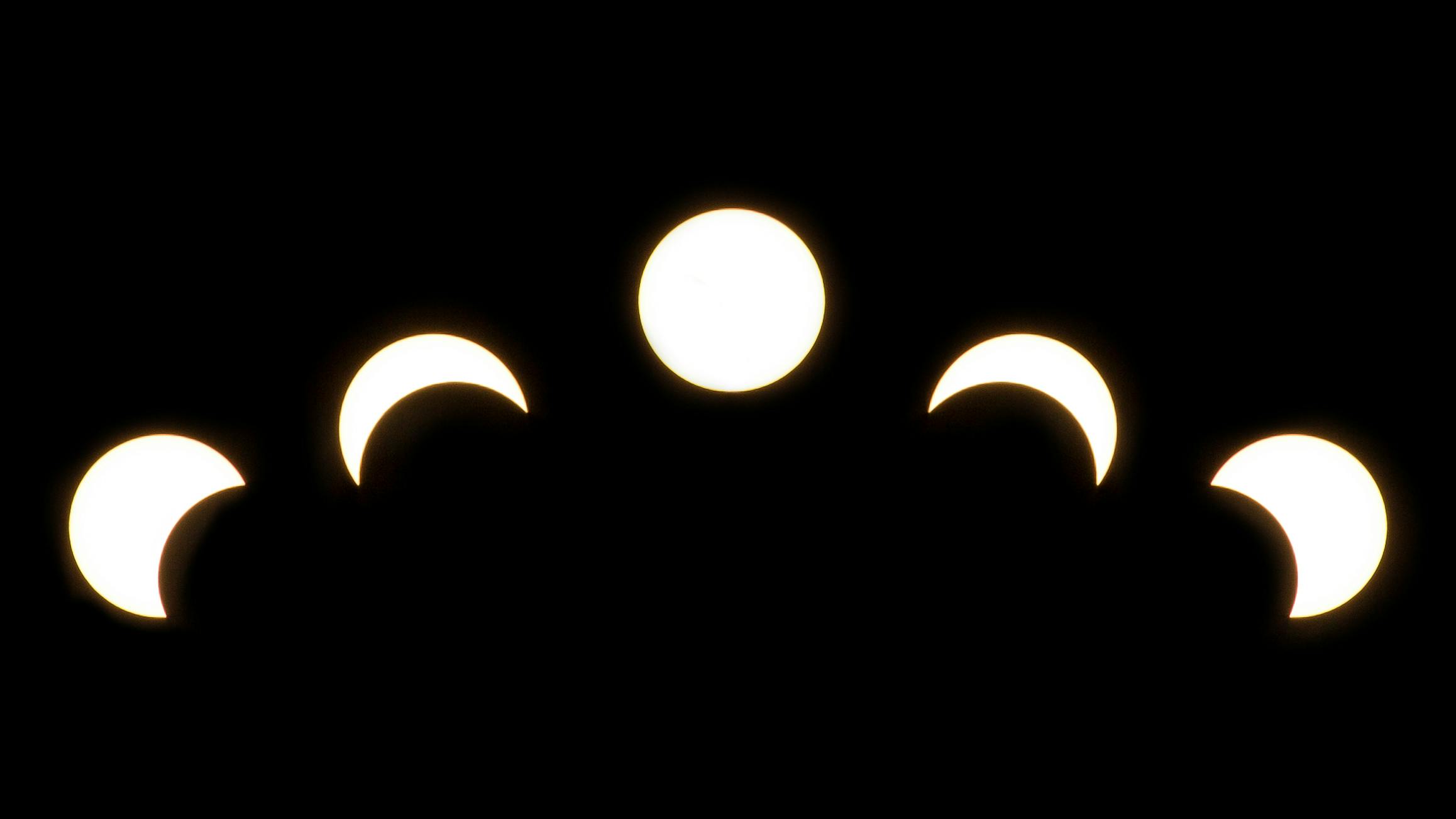
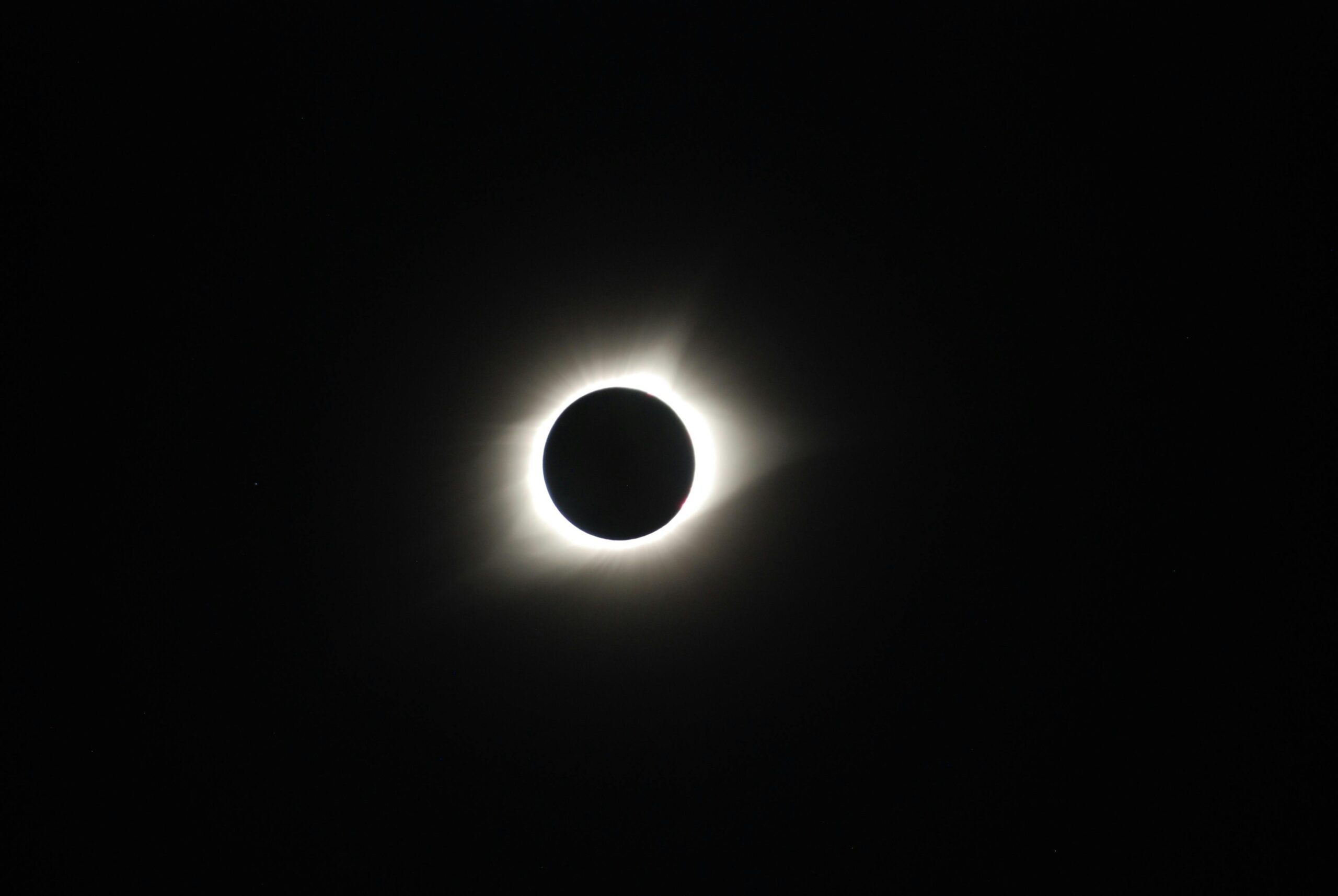
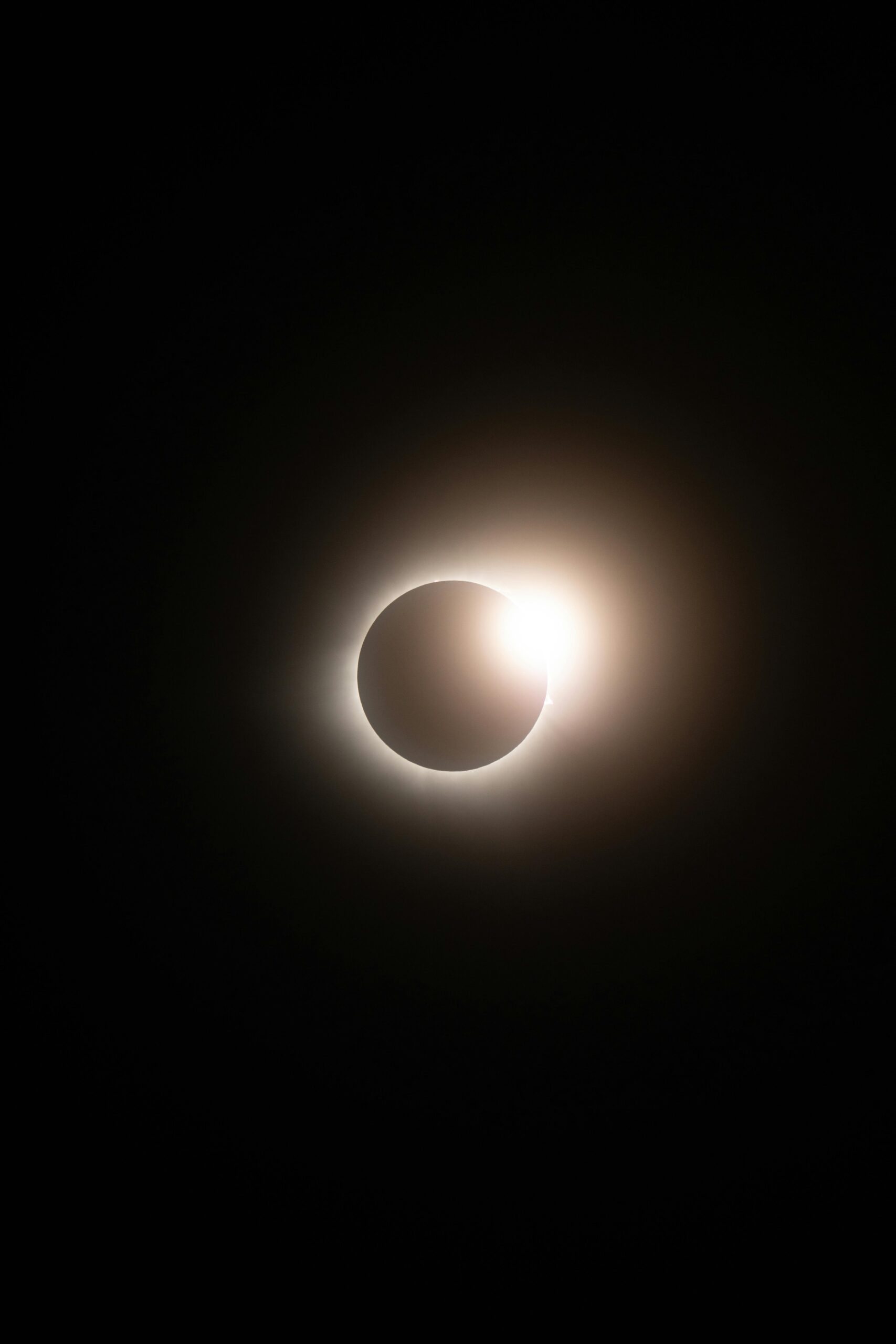
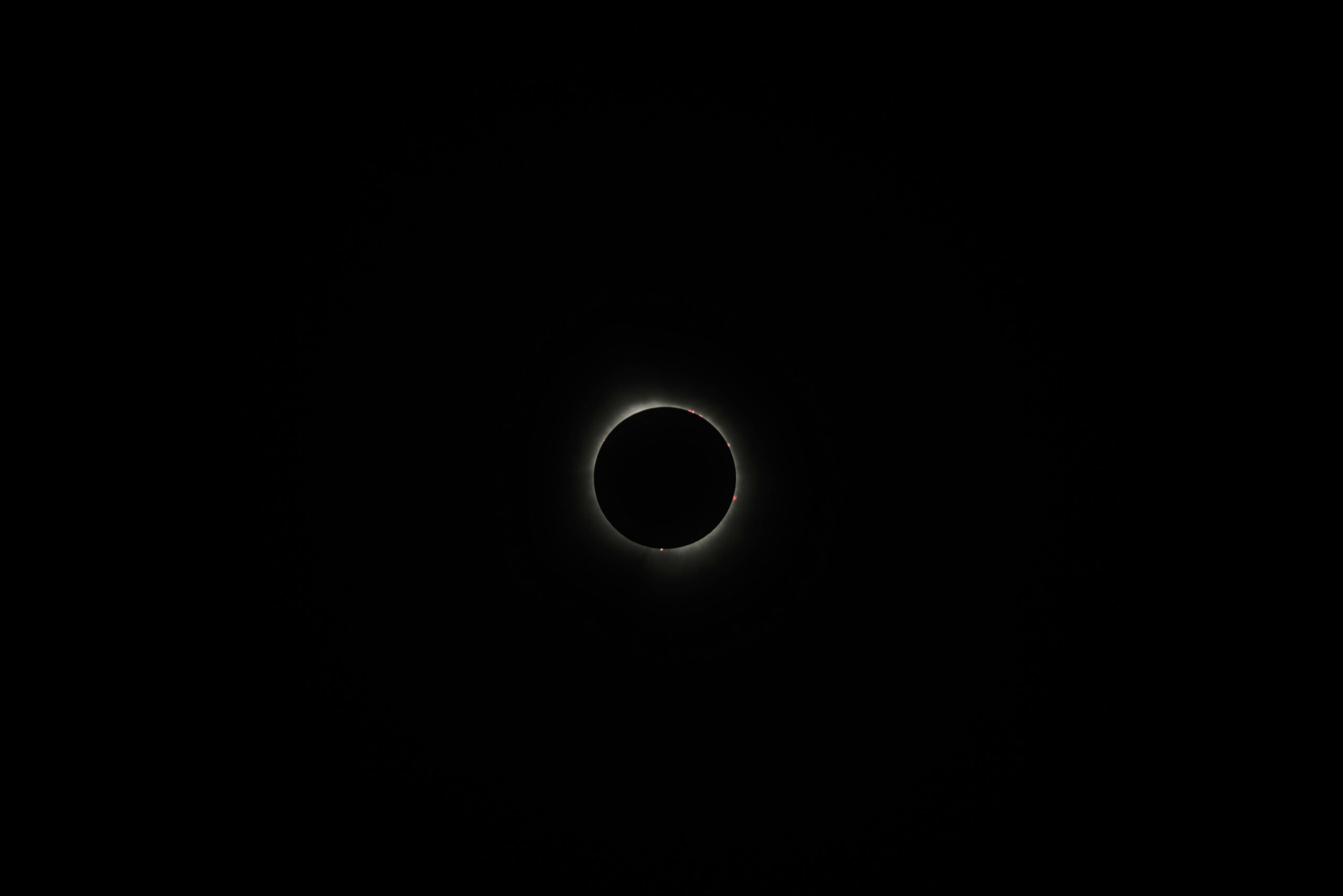
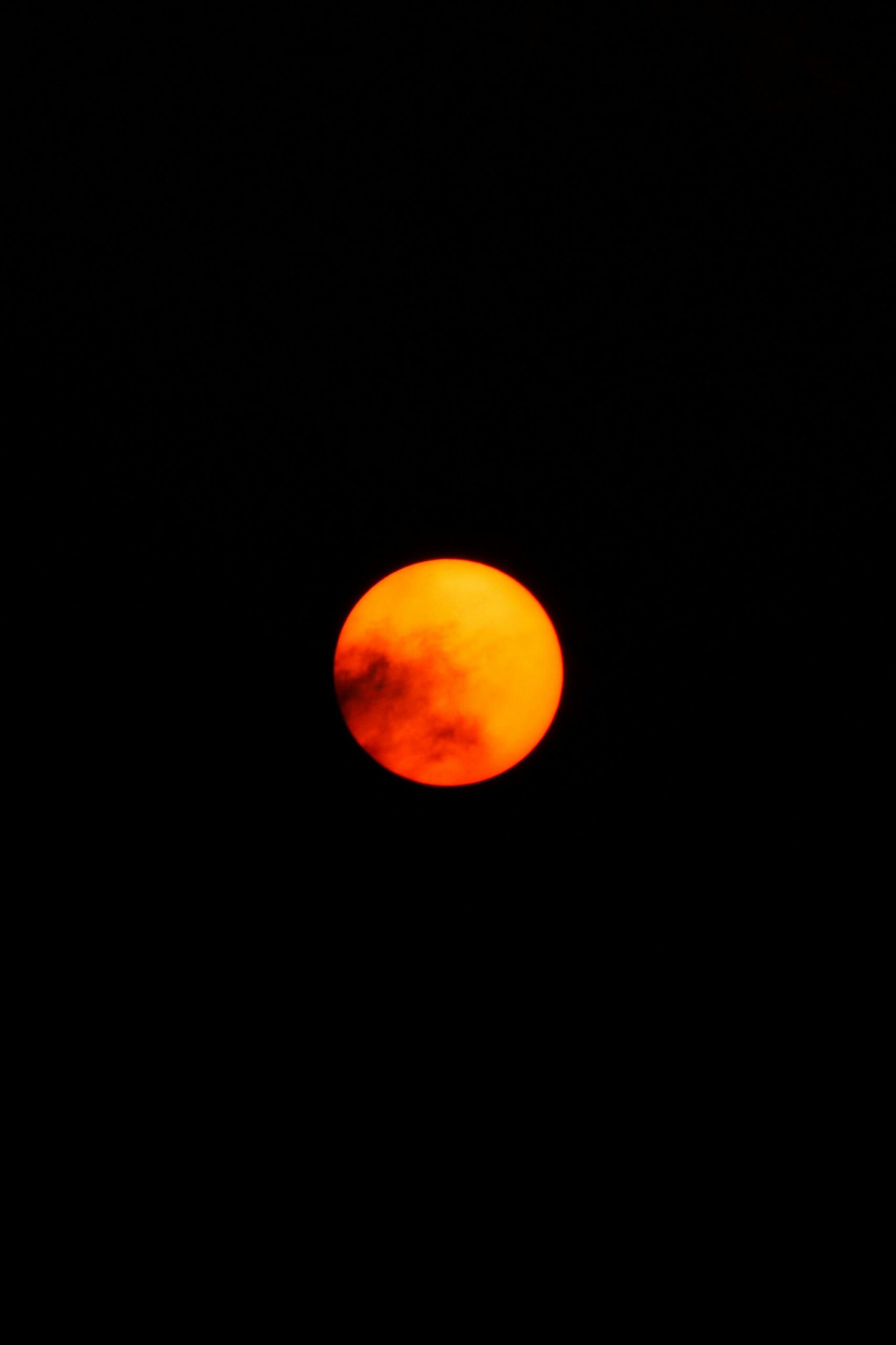
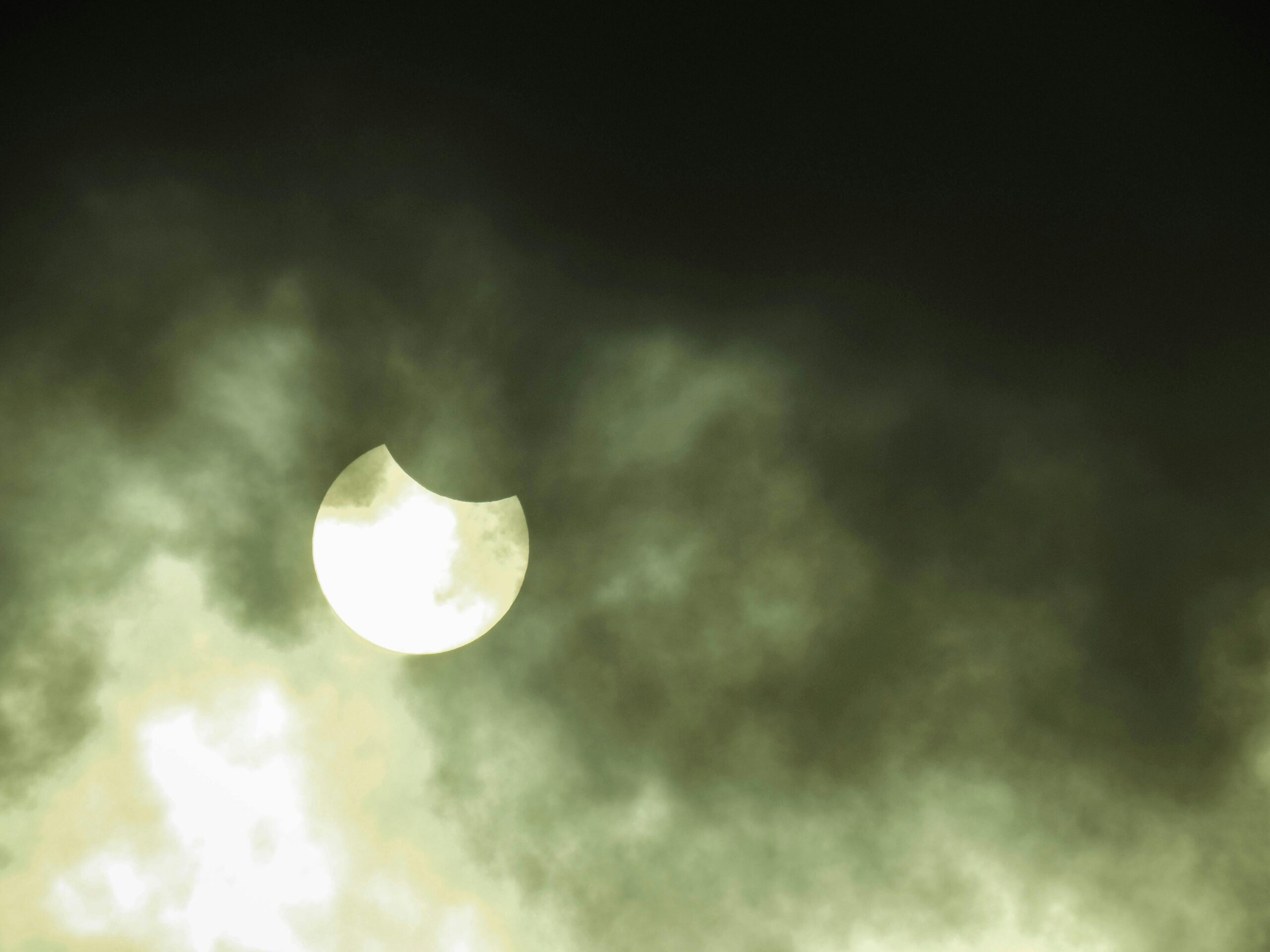
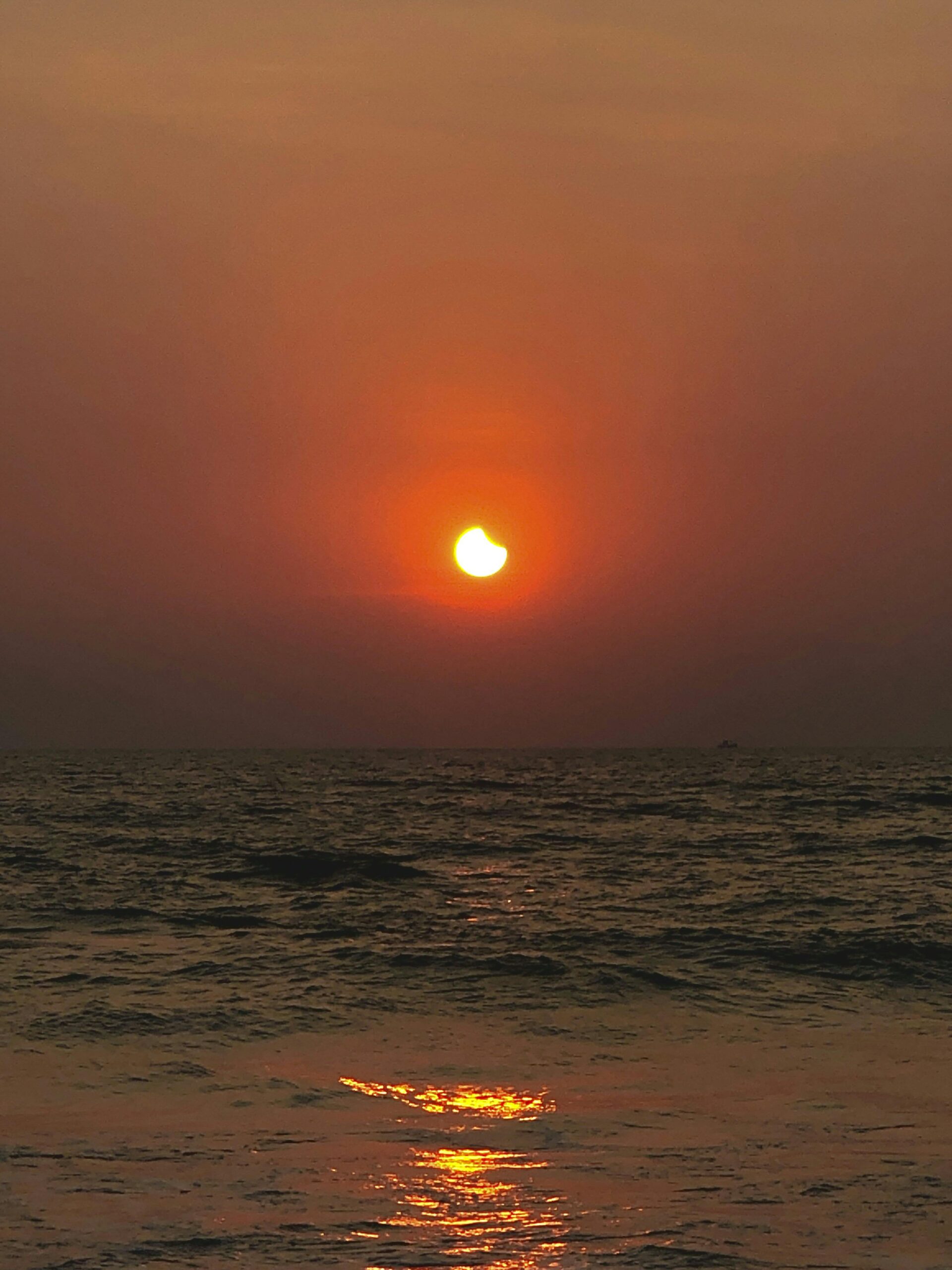
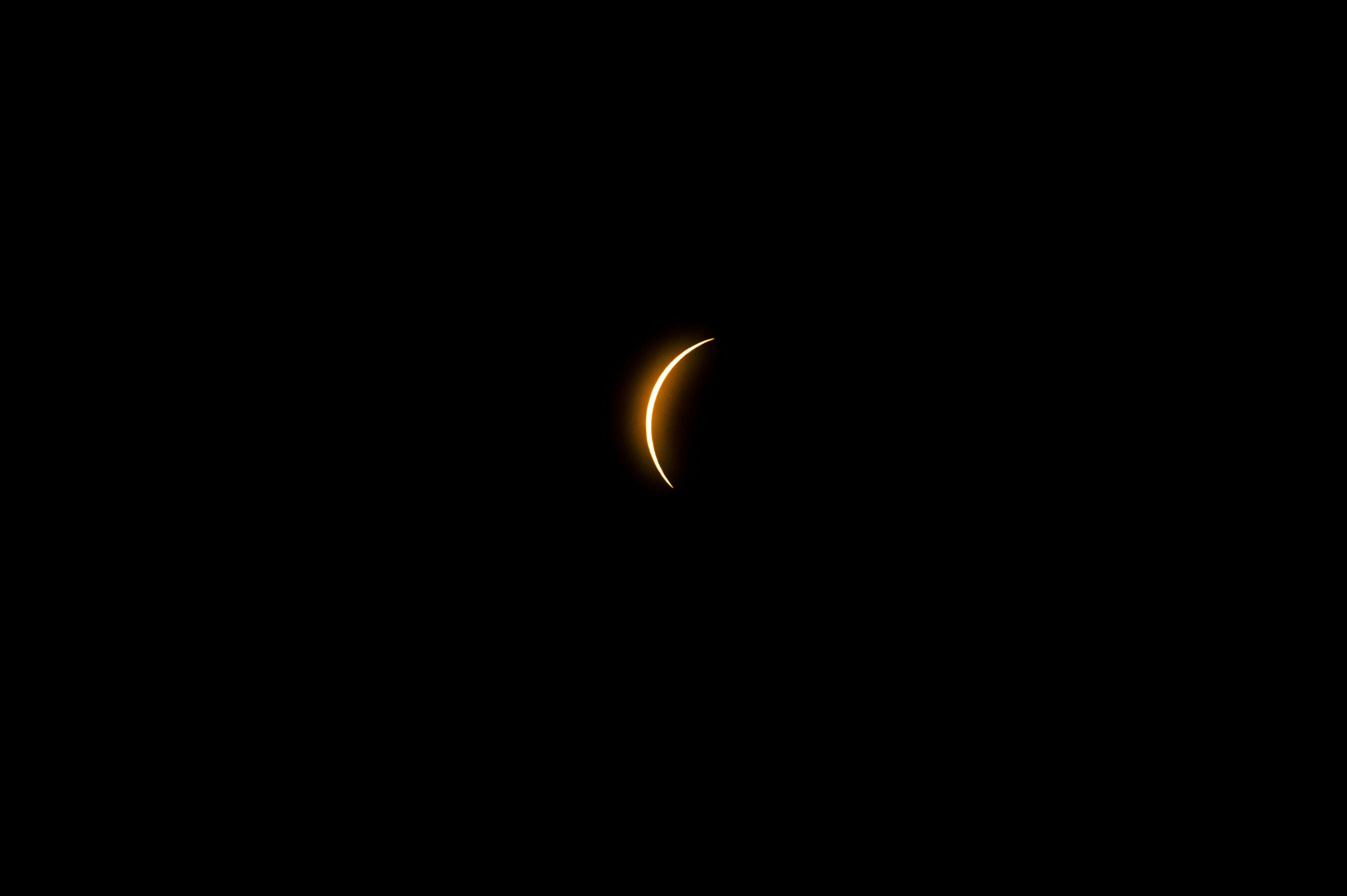
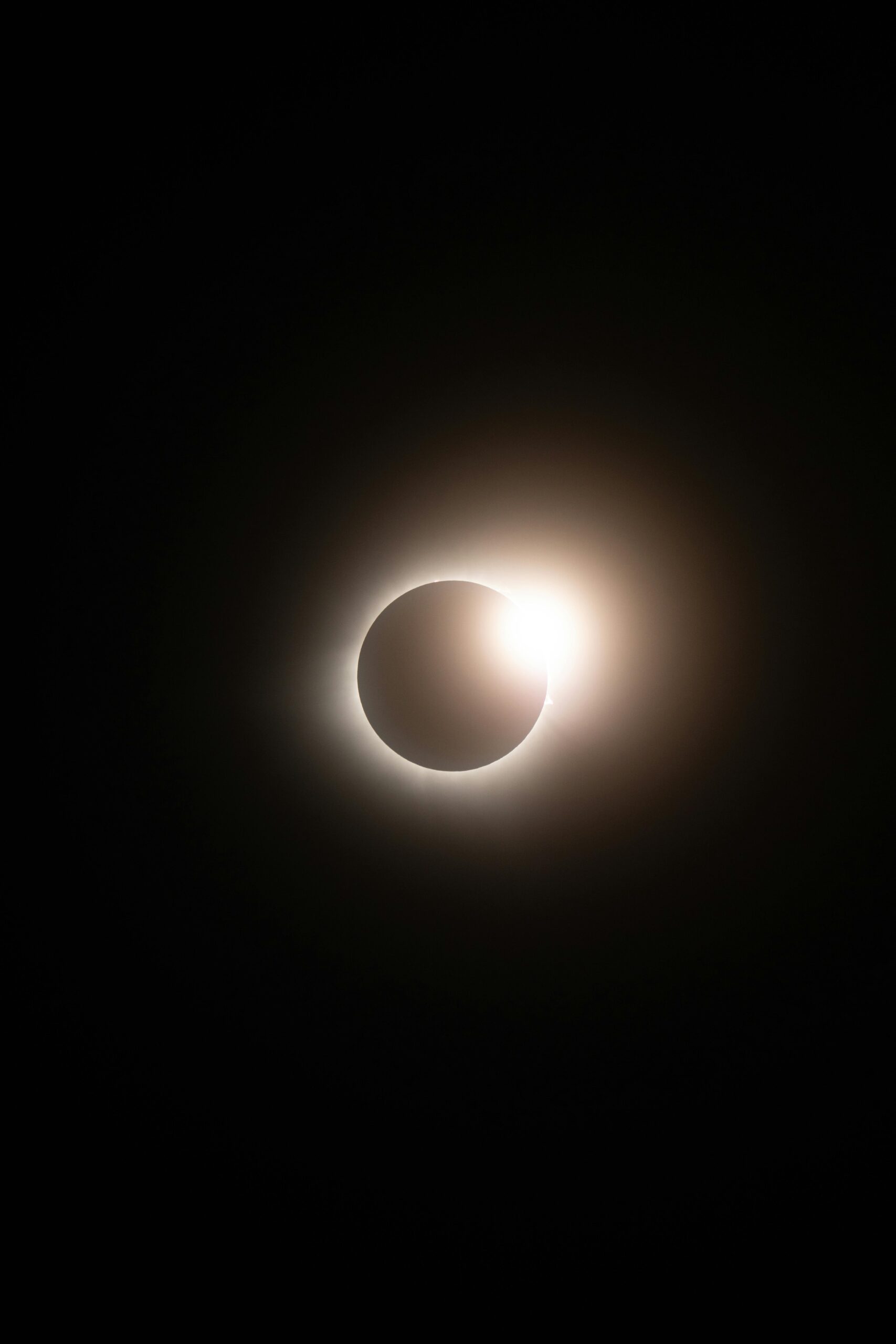
The scientific community and astronomy enthusiasts alike are buzzing with excitement as we approach the highly anticipated solar eclipse of 2023. Scheduled to occur on October 14, this celestial event promises to be a spectacle of nature’s grandeur, visible across North, Central, and South America. The eclipse will begin over the Pacific Ocean and make its way eastward, offering a unique opportunity for millions to witness this rare phenomenon.
Understanding the Science Behind the Eclipse
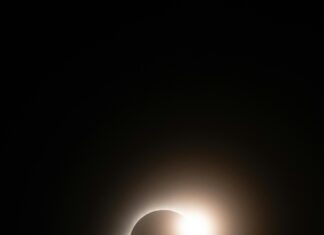
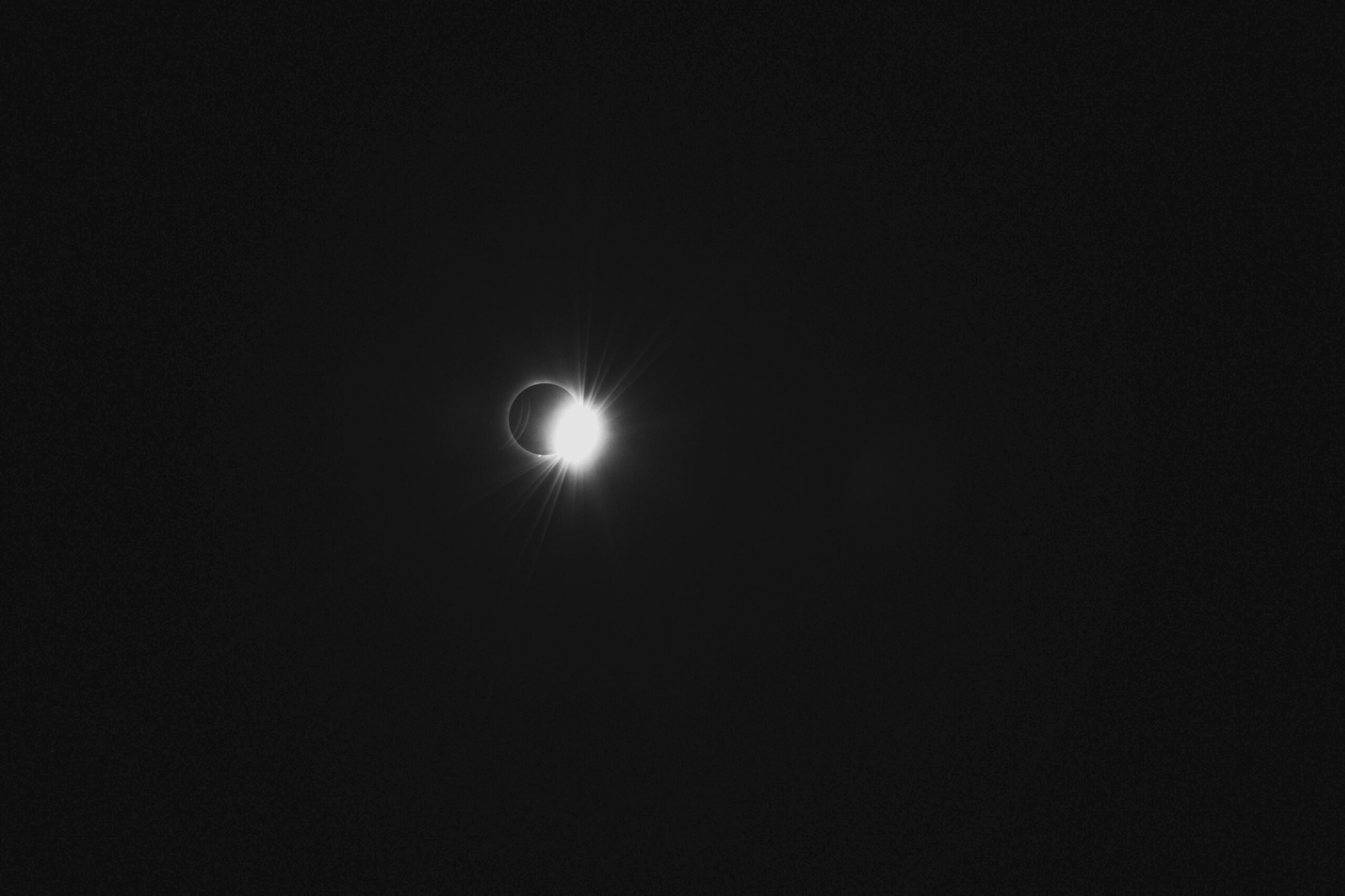
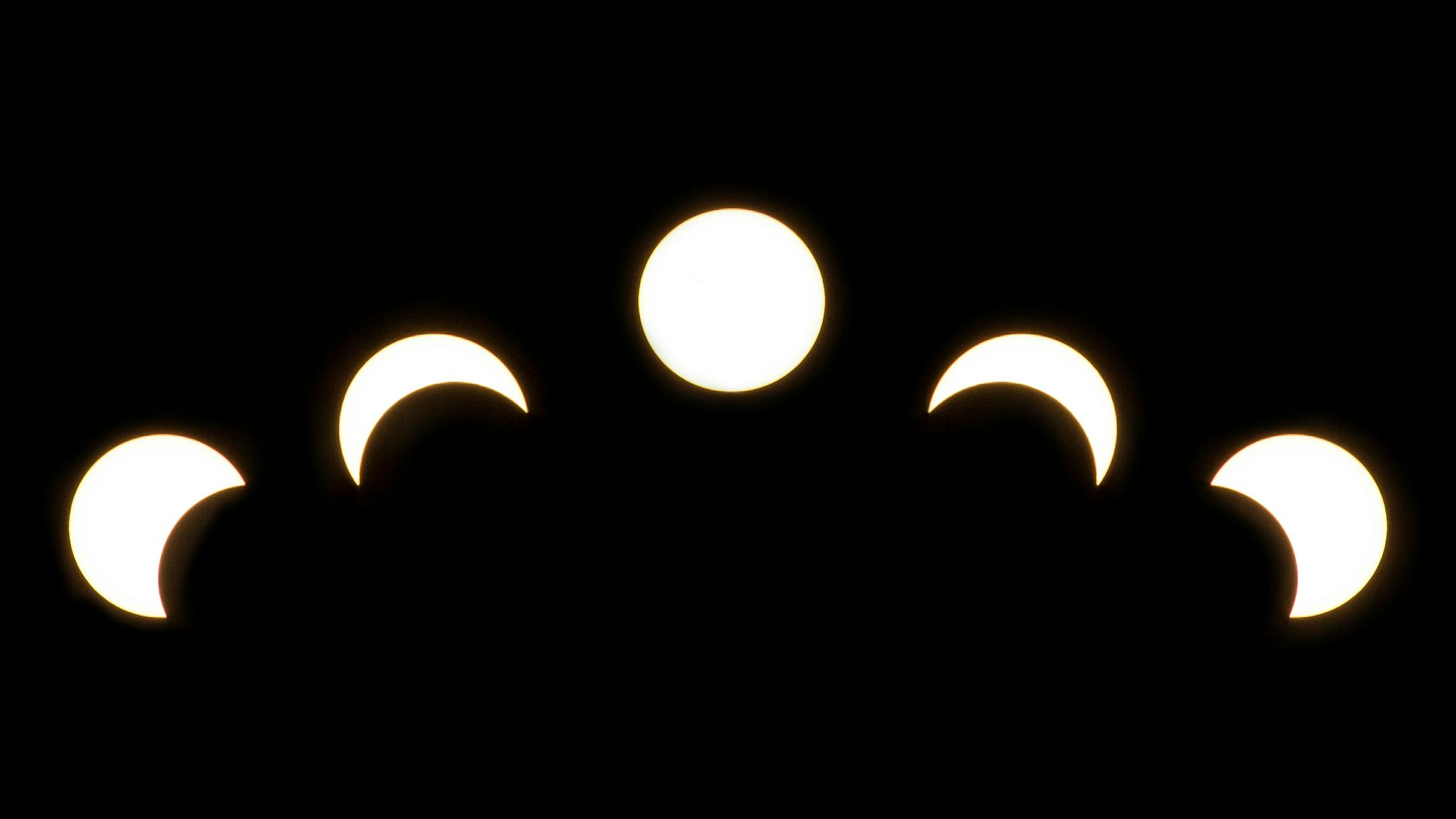
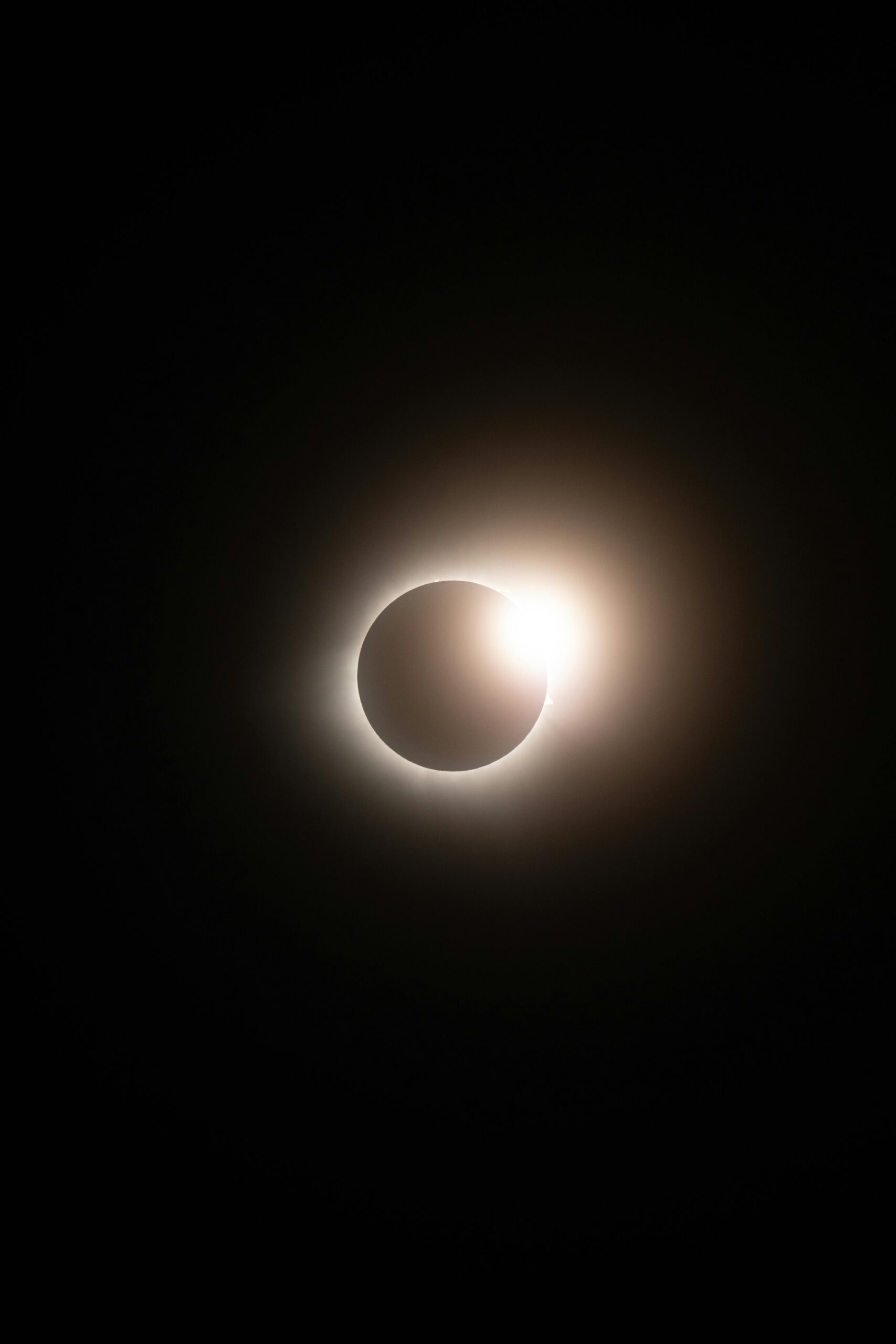
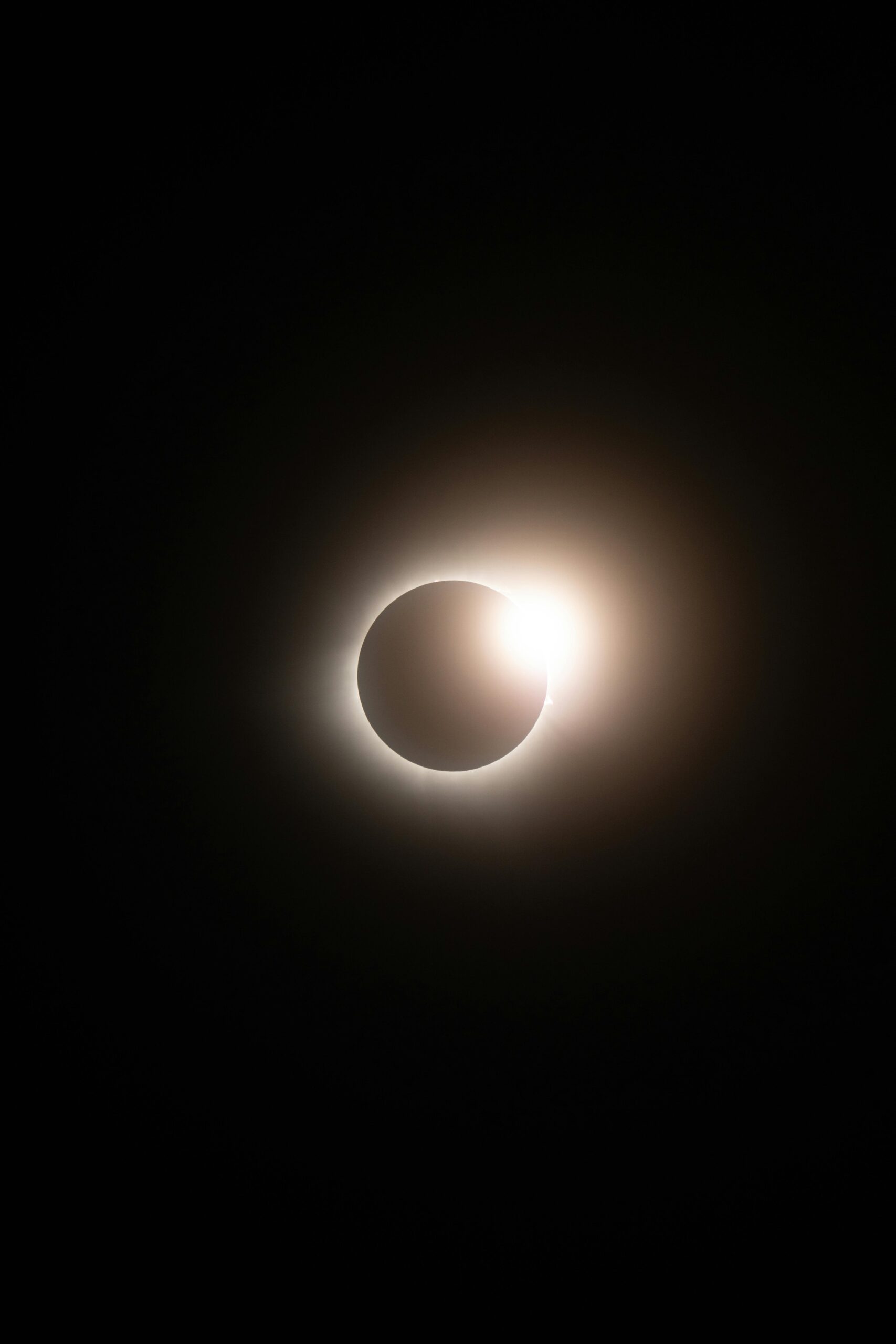
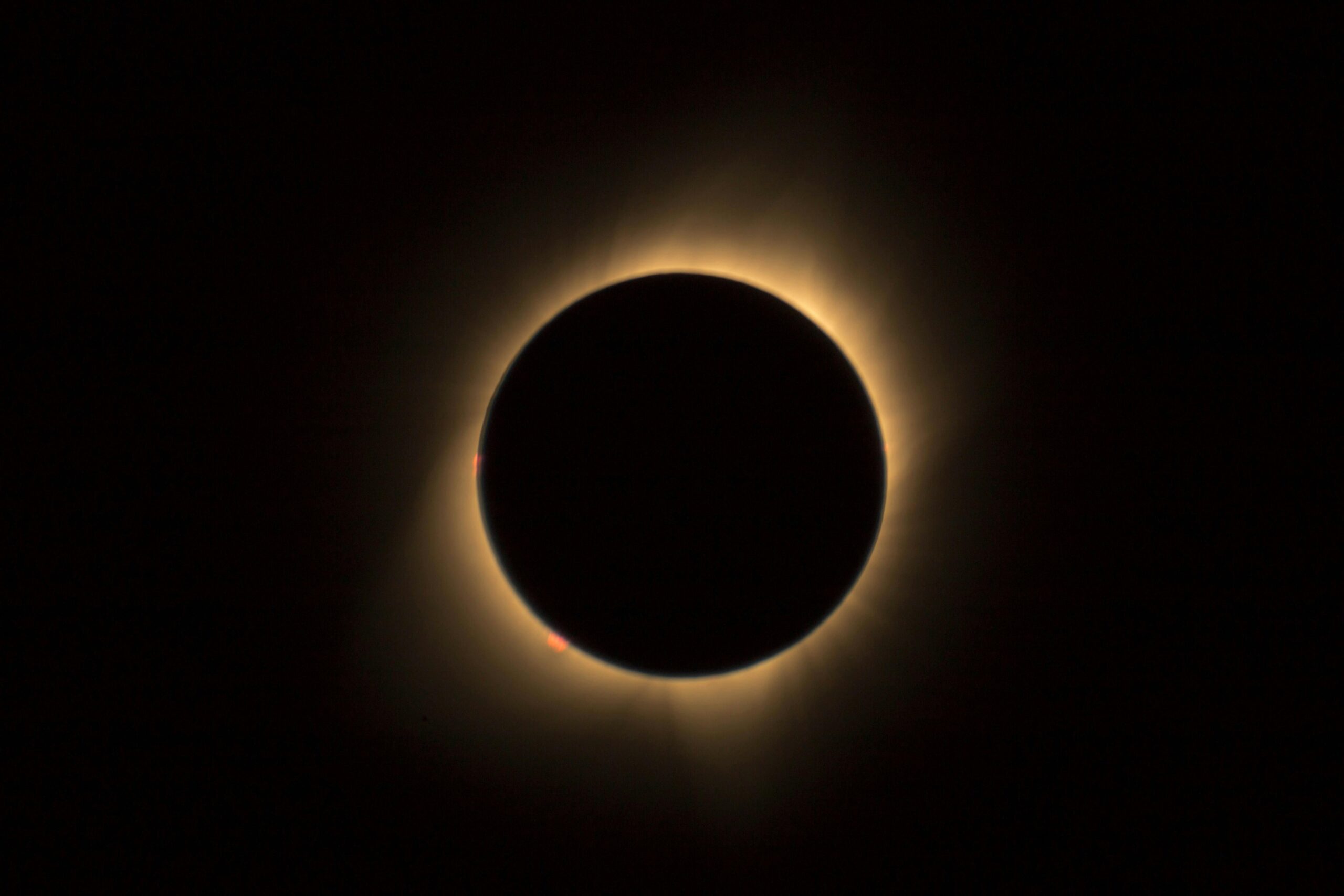
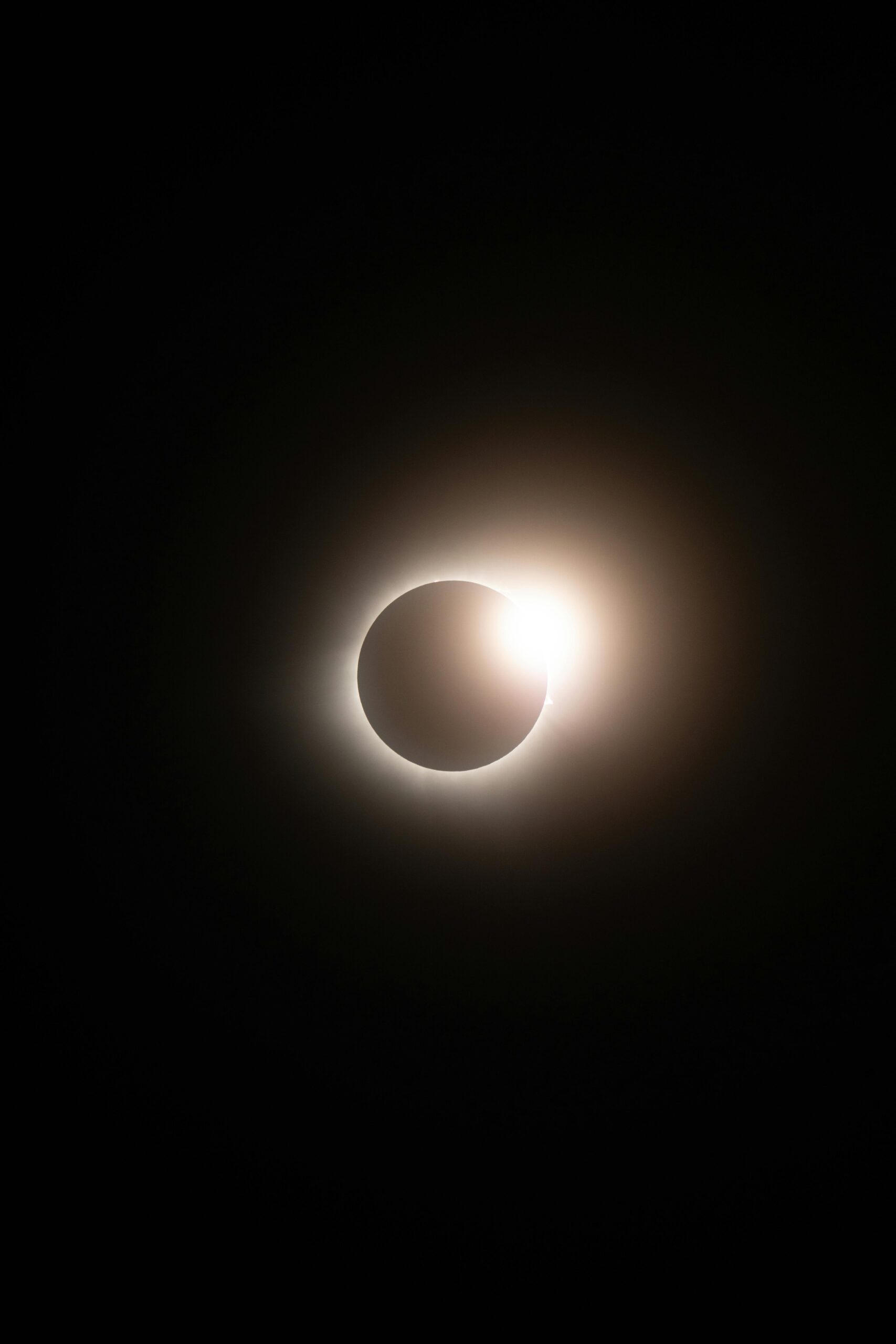
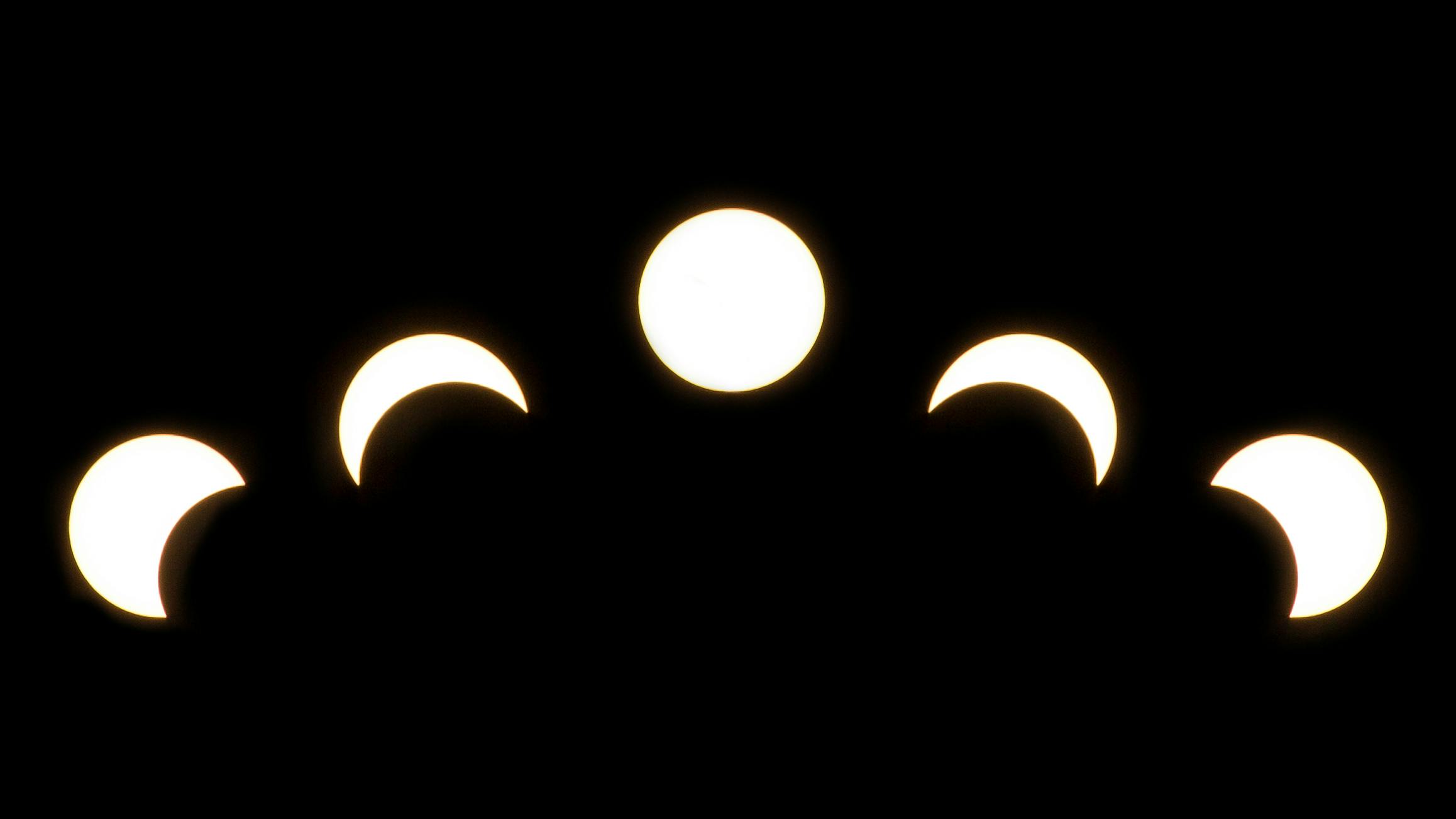
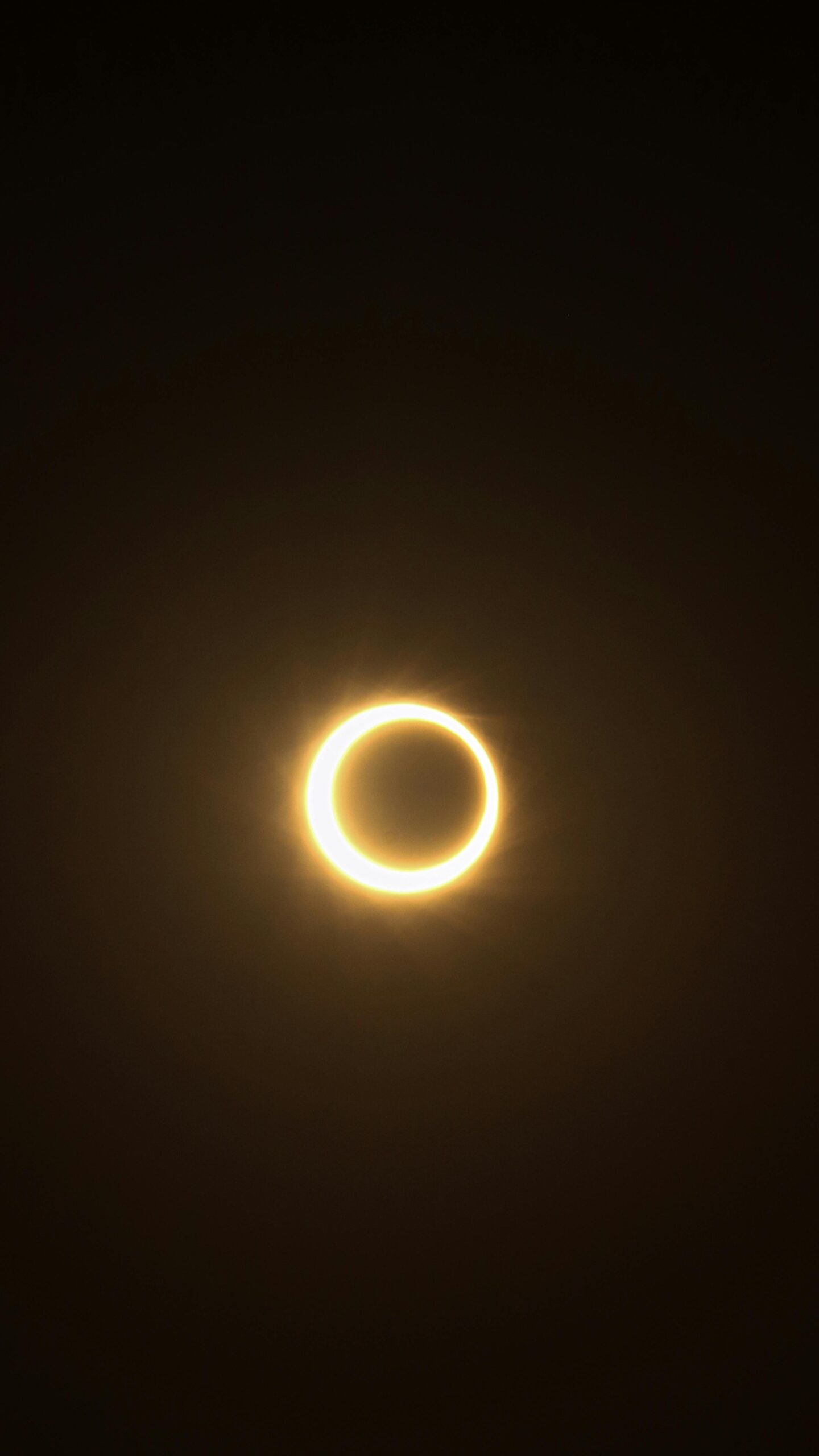
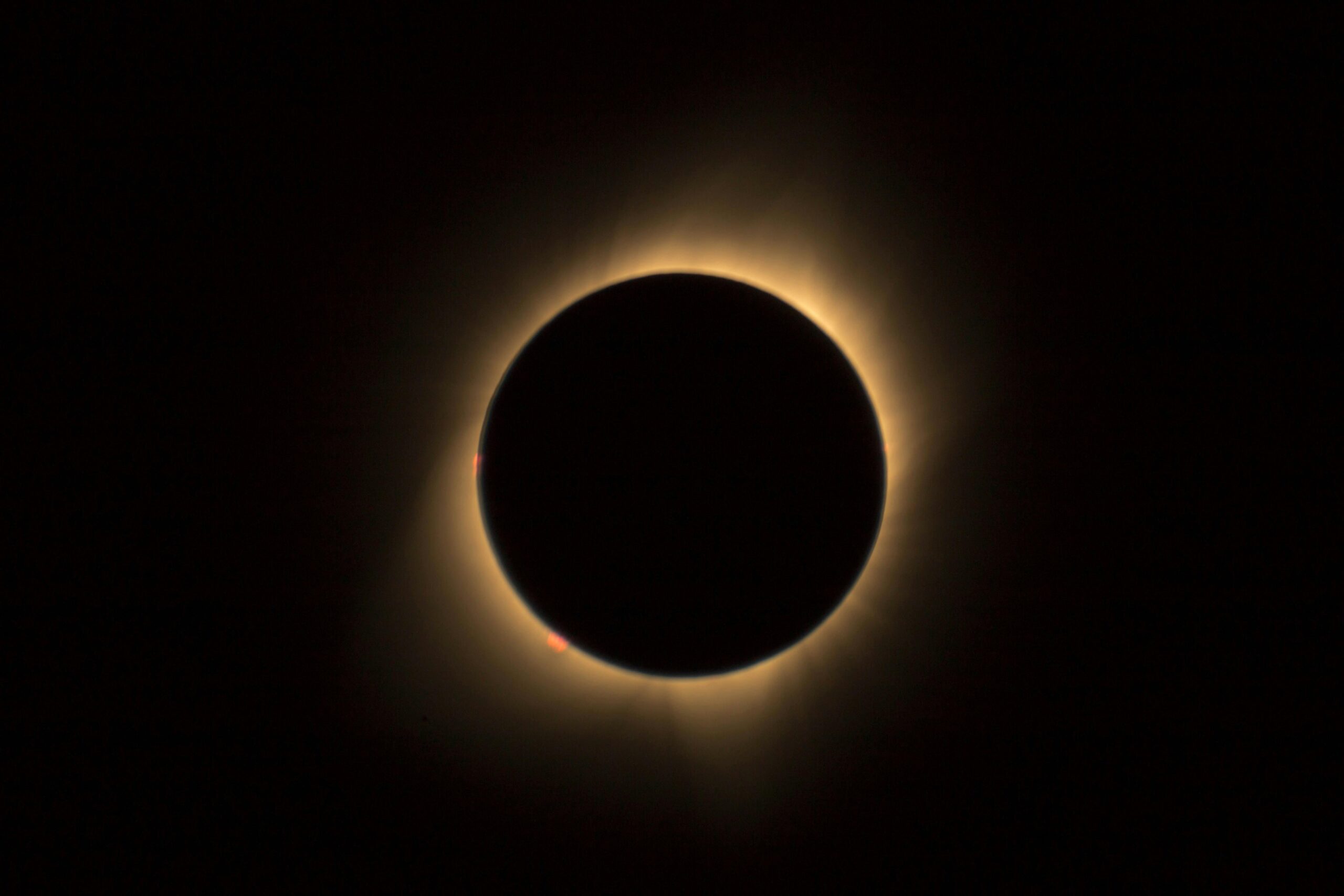
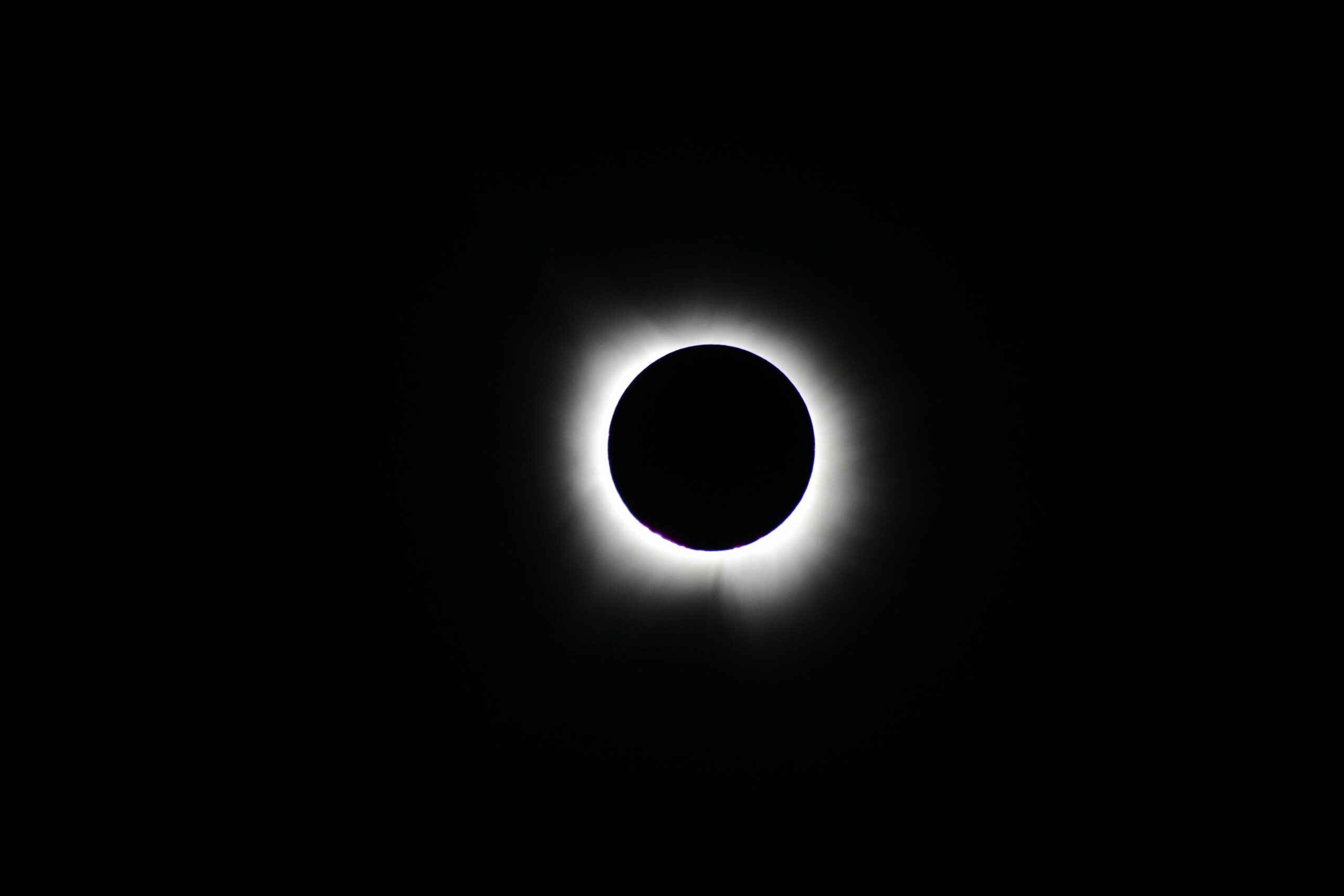
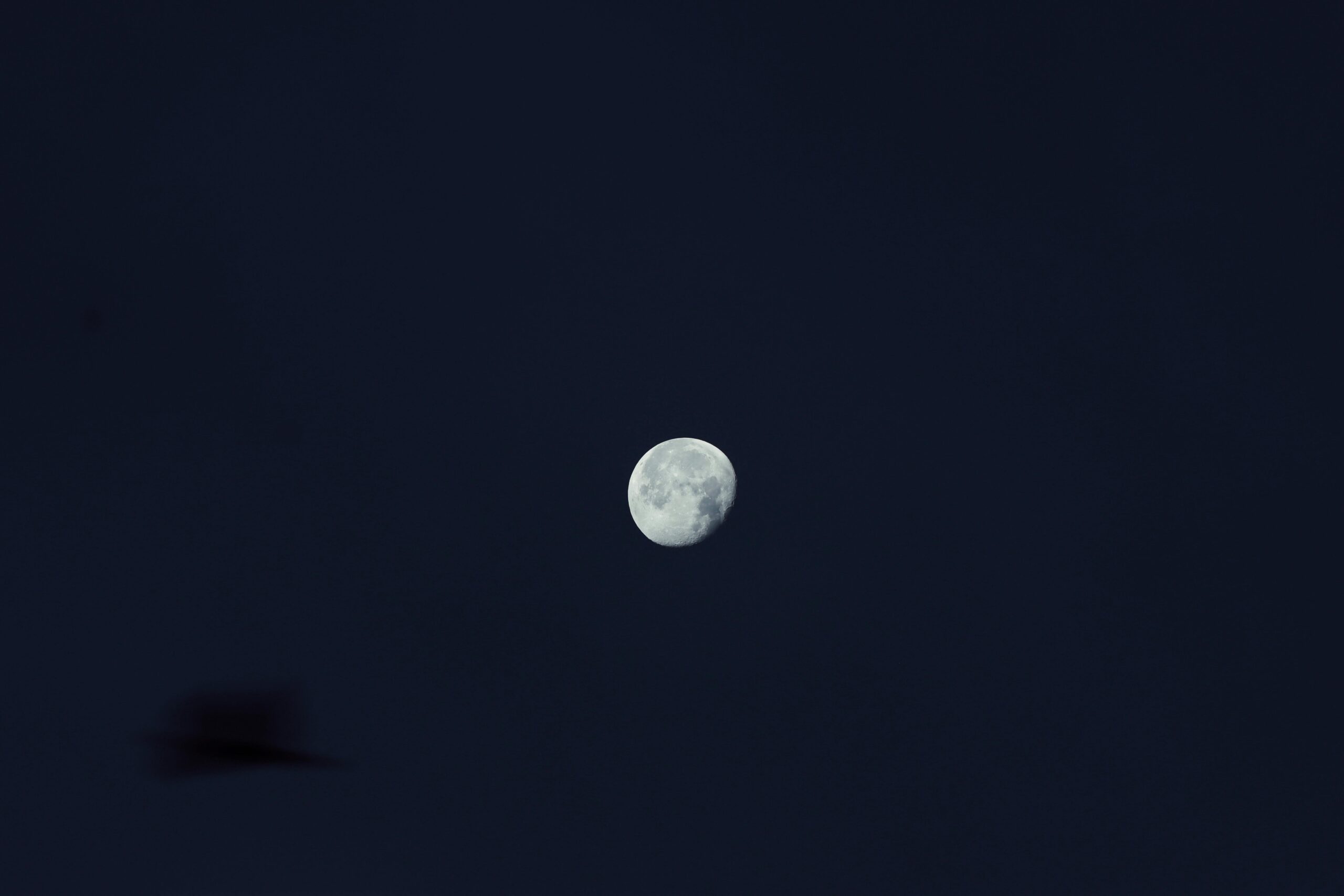
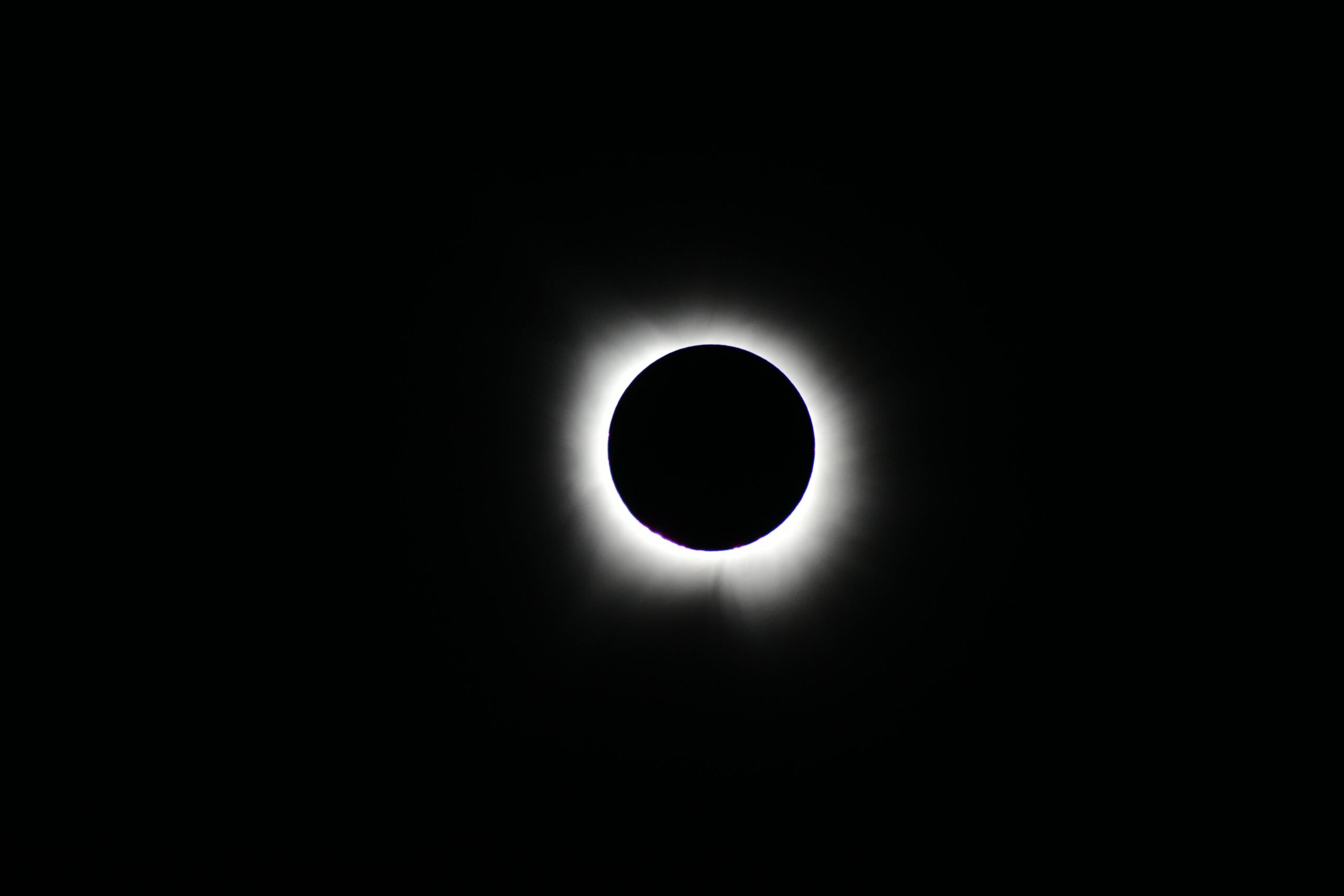
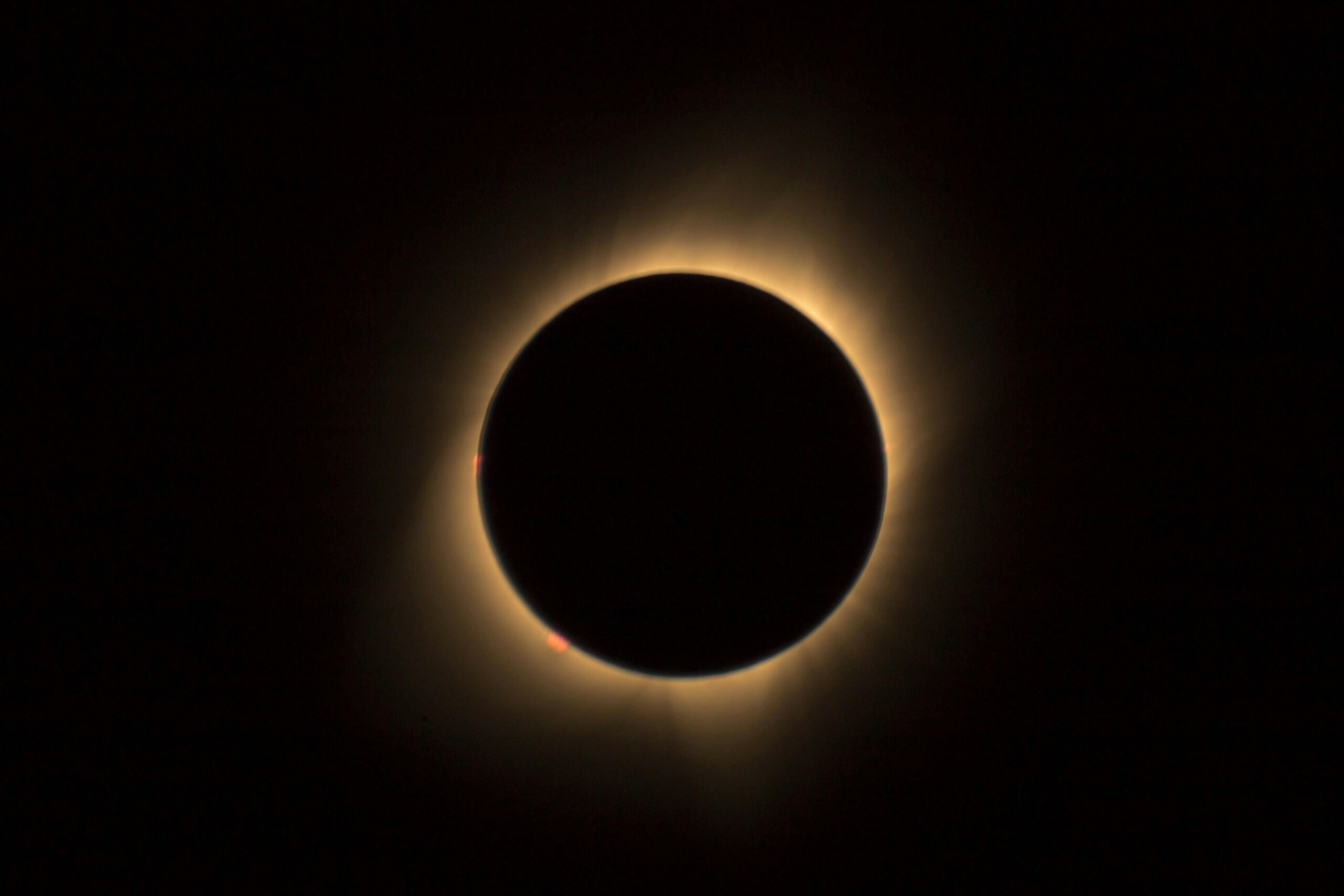
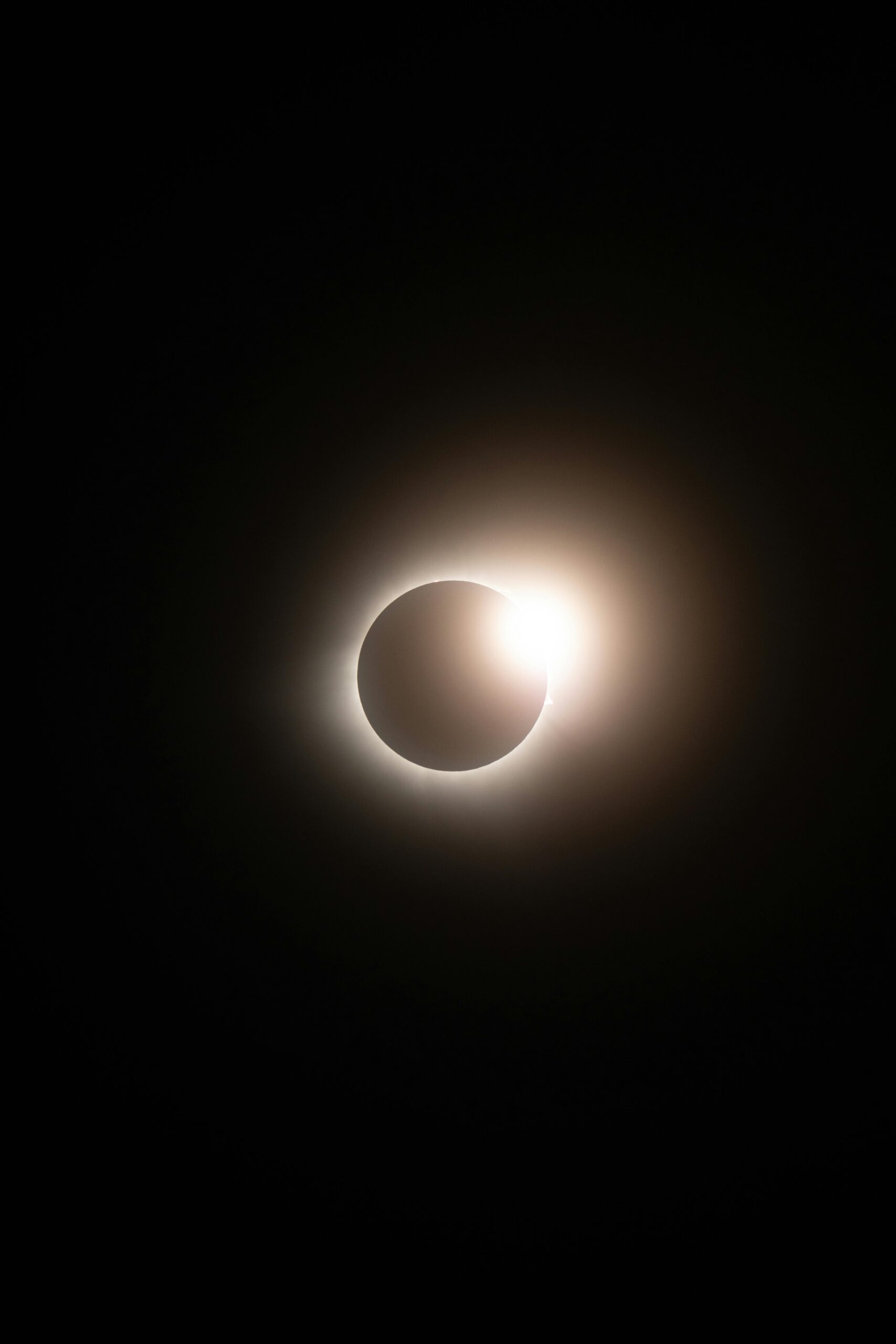
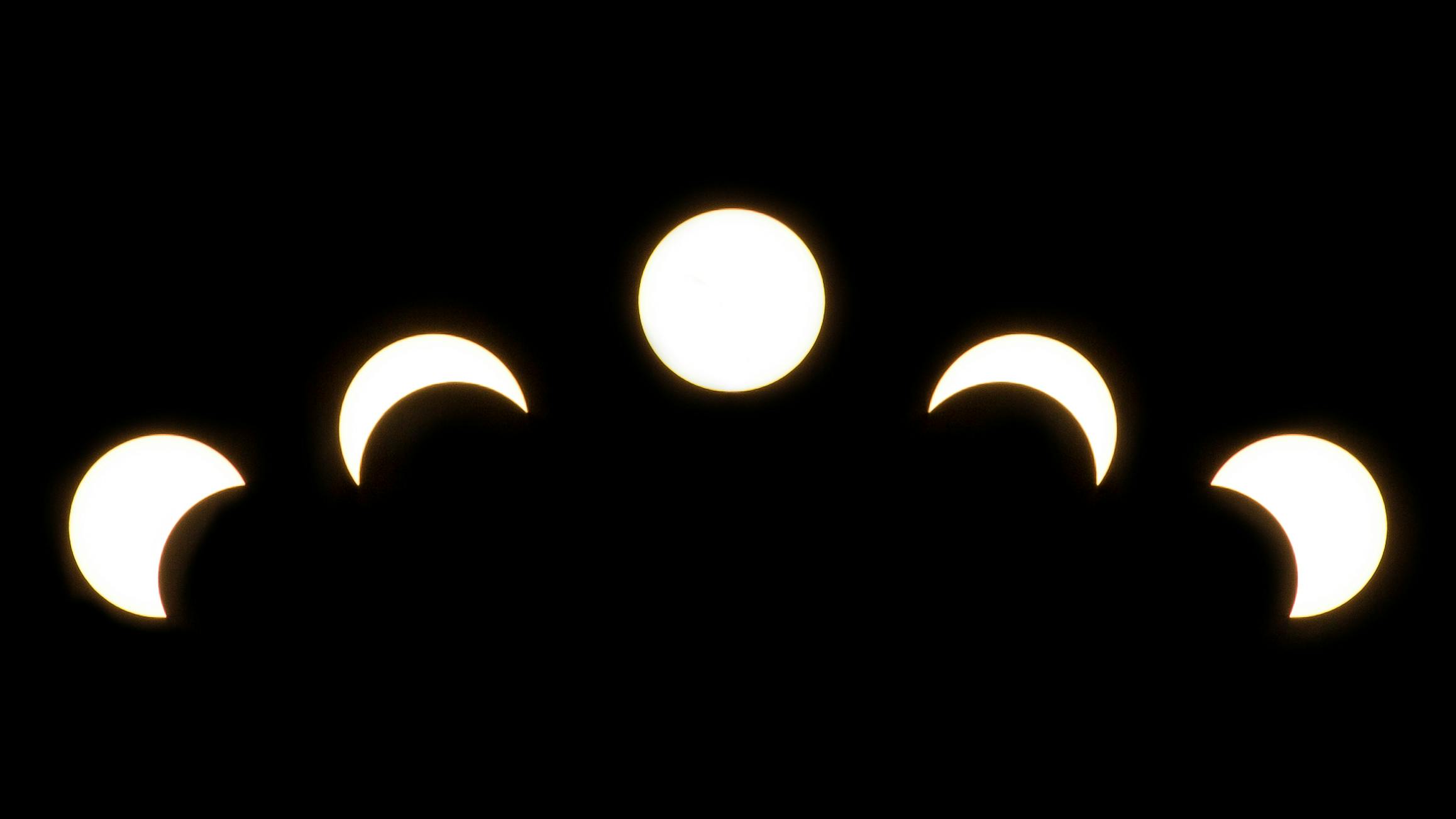
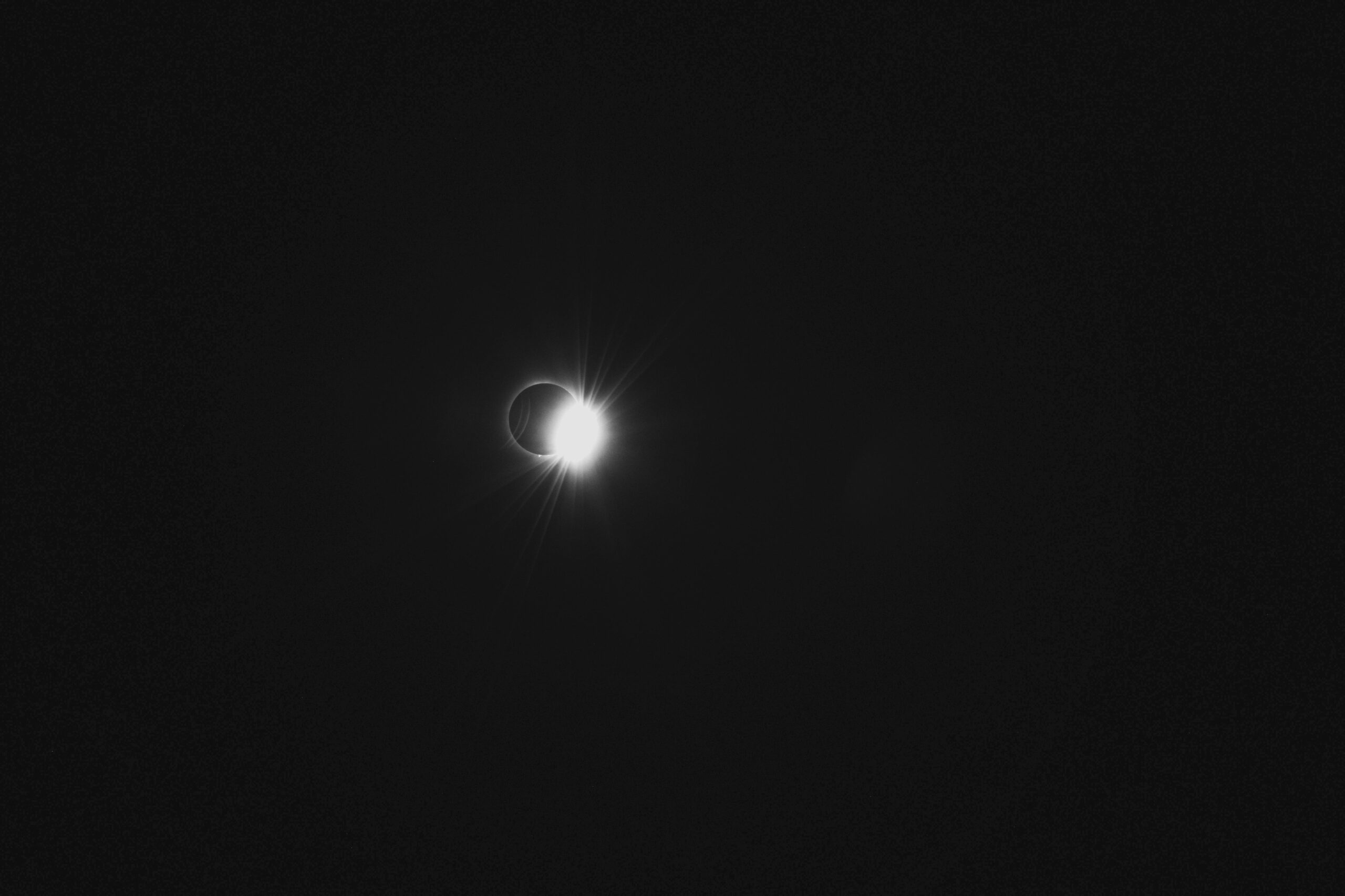
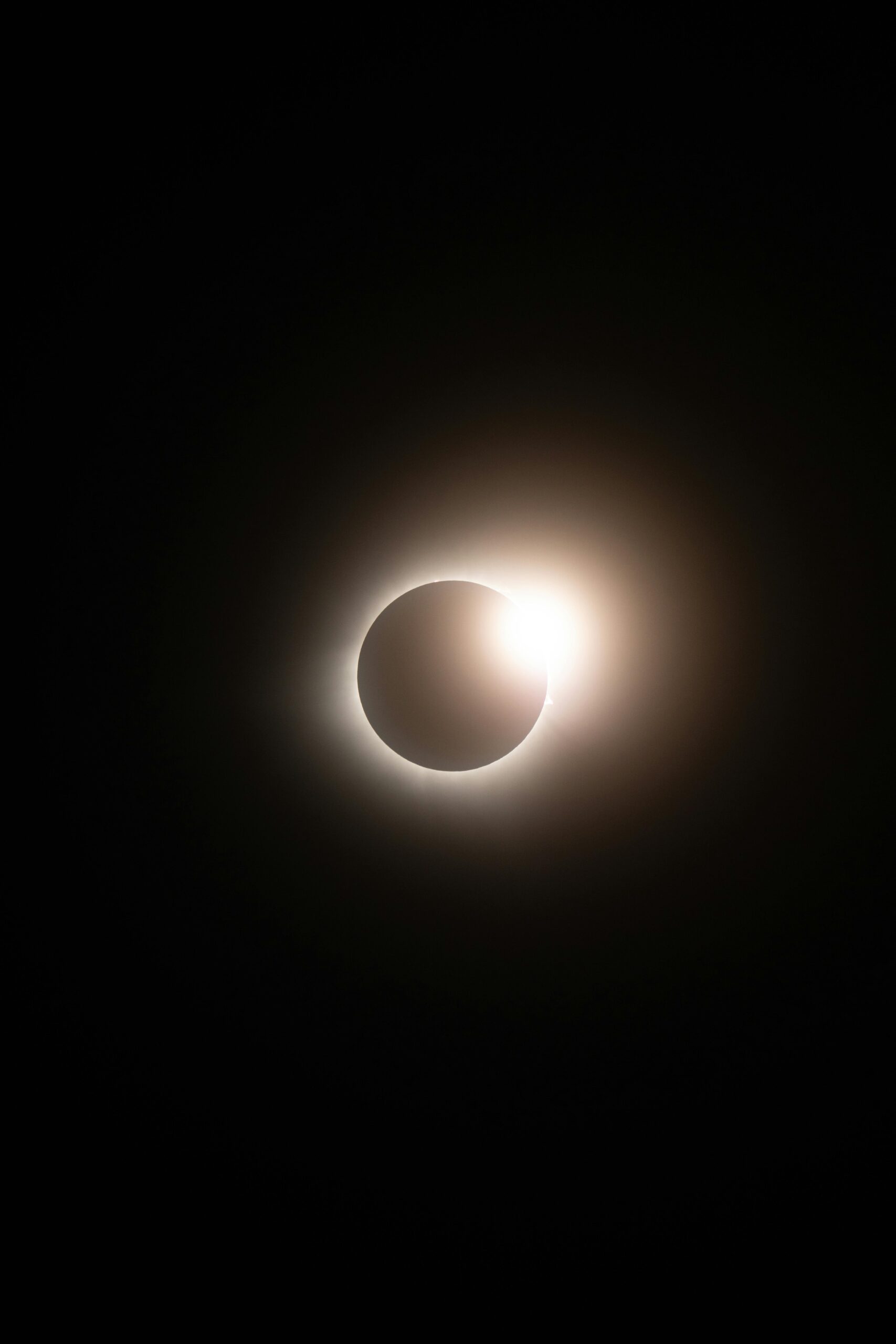
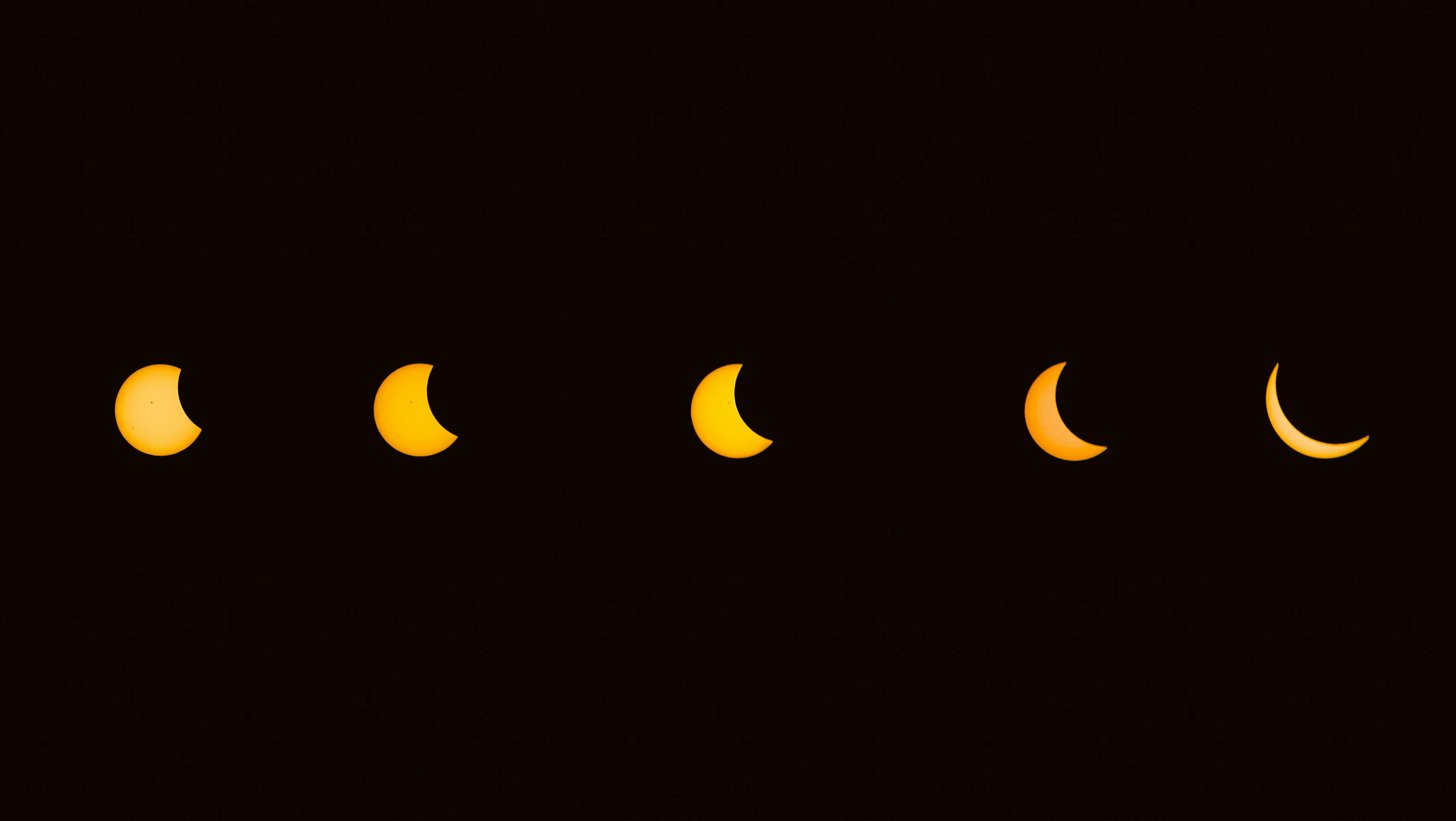
A solar eclipse occurs when the Moon passes between the Earth and the Sun, casting a shadow on the Earth’s surface. This alignment can only happen during a new moon when the Sun, Moon, and Earth are aligned in a straight or nearly straight line. The 2023 eclipse is an annular eclipse, which means the Moon will be at its farthest point from Earth, causing it to appear smaller than the Sun. As a result, a ring of the Sun’s surface will remain visible around the Moon, creating what is often referred to as a ‘ring of fire.’
Path of Totality and Visibility
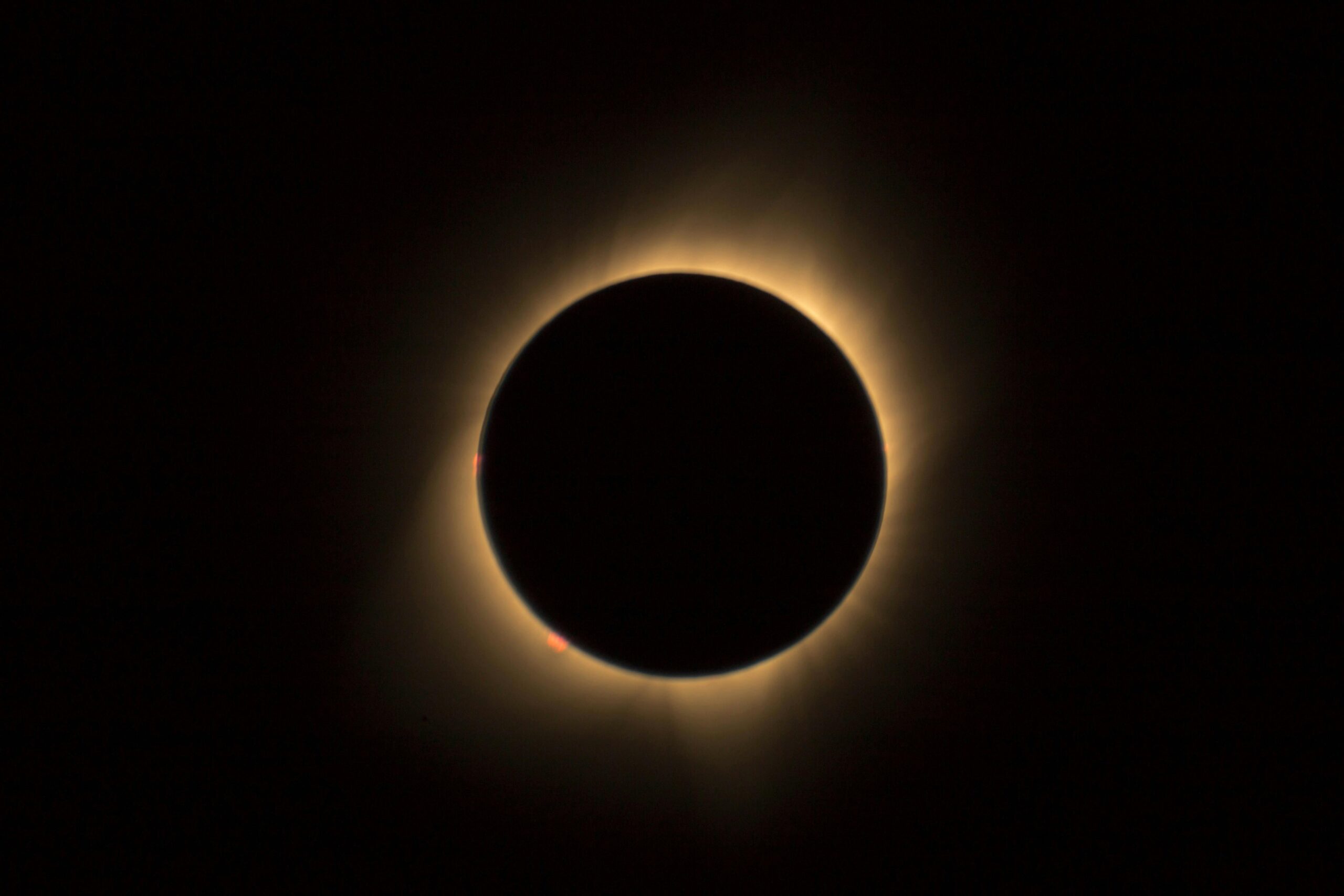
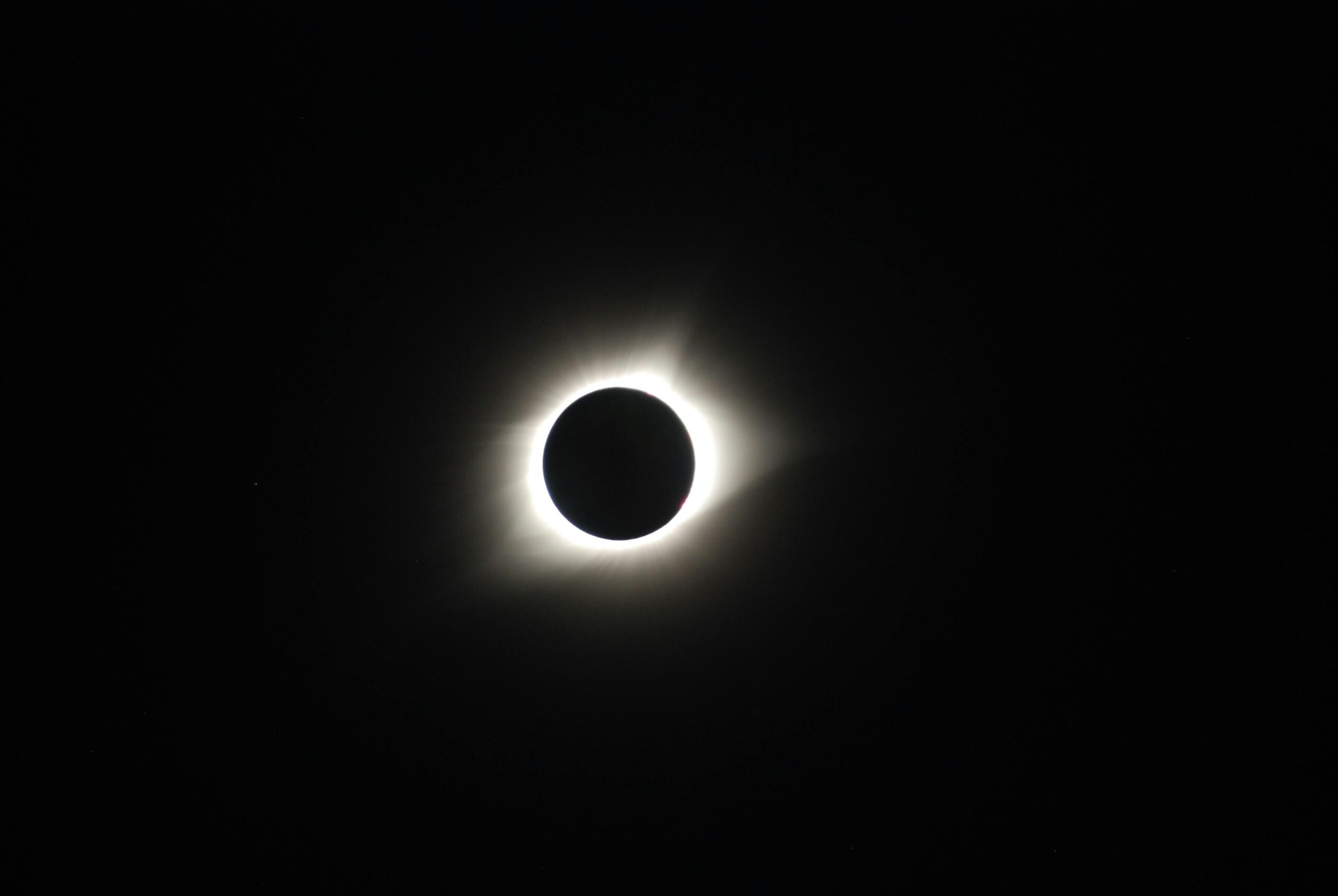
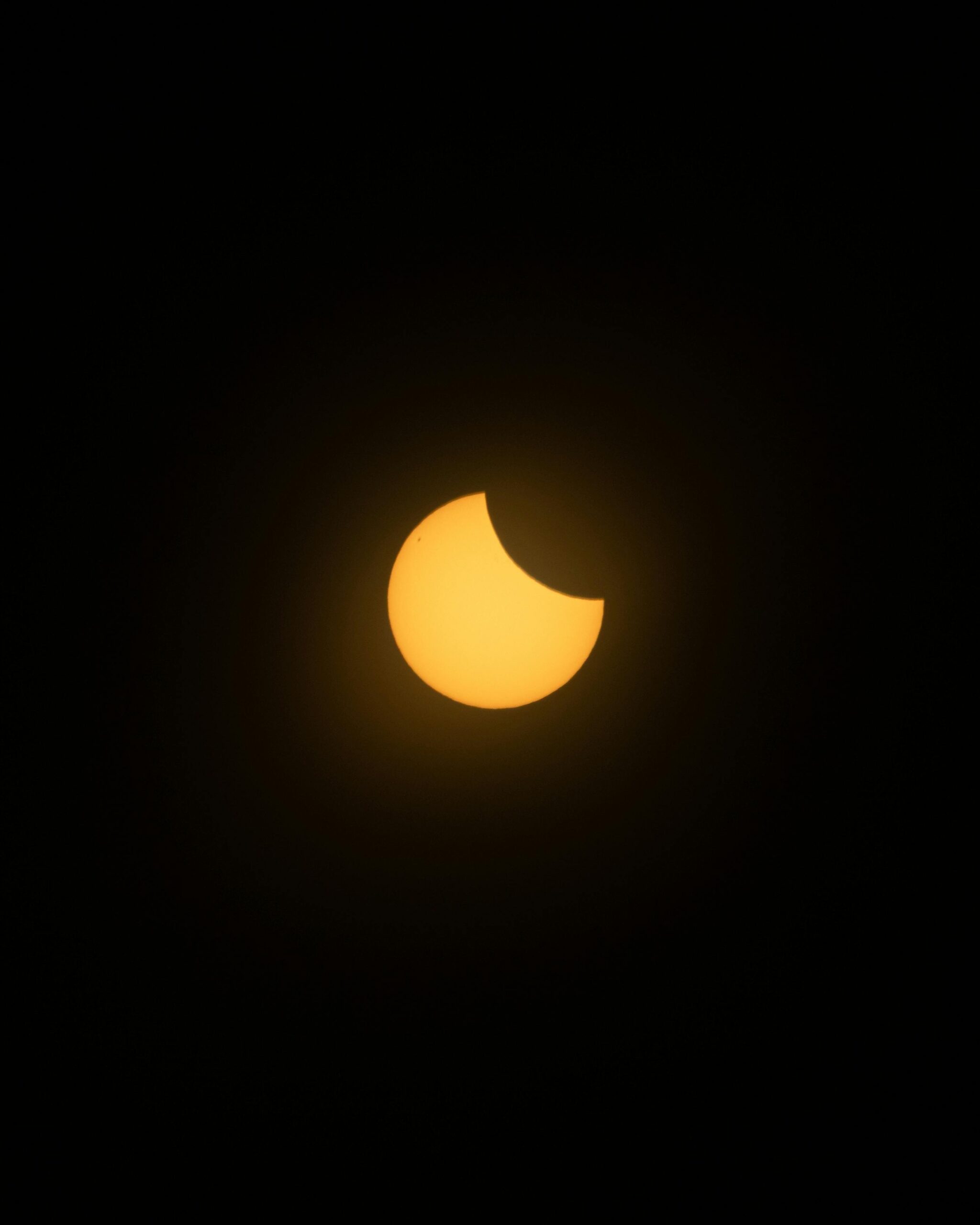
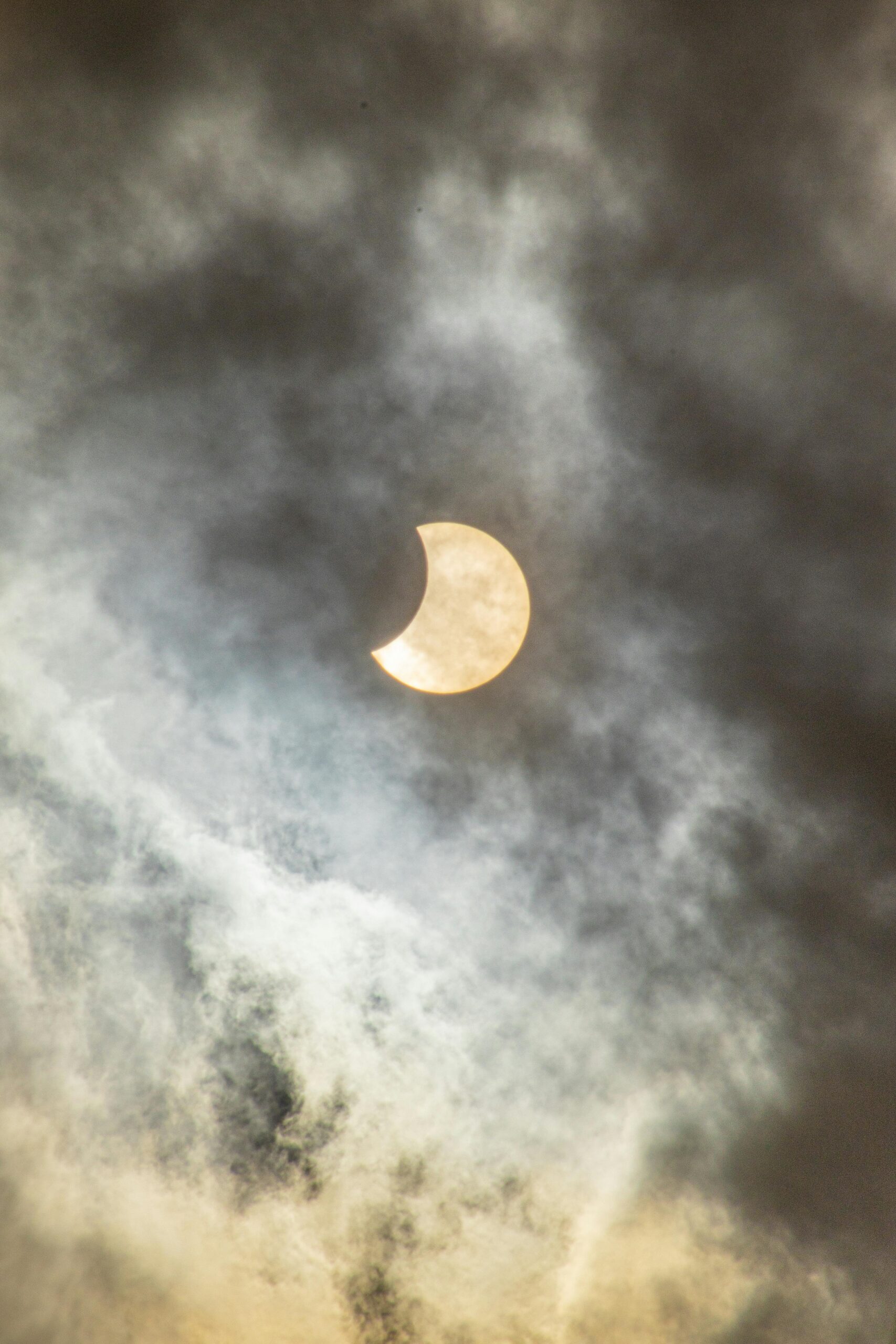
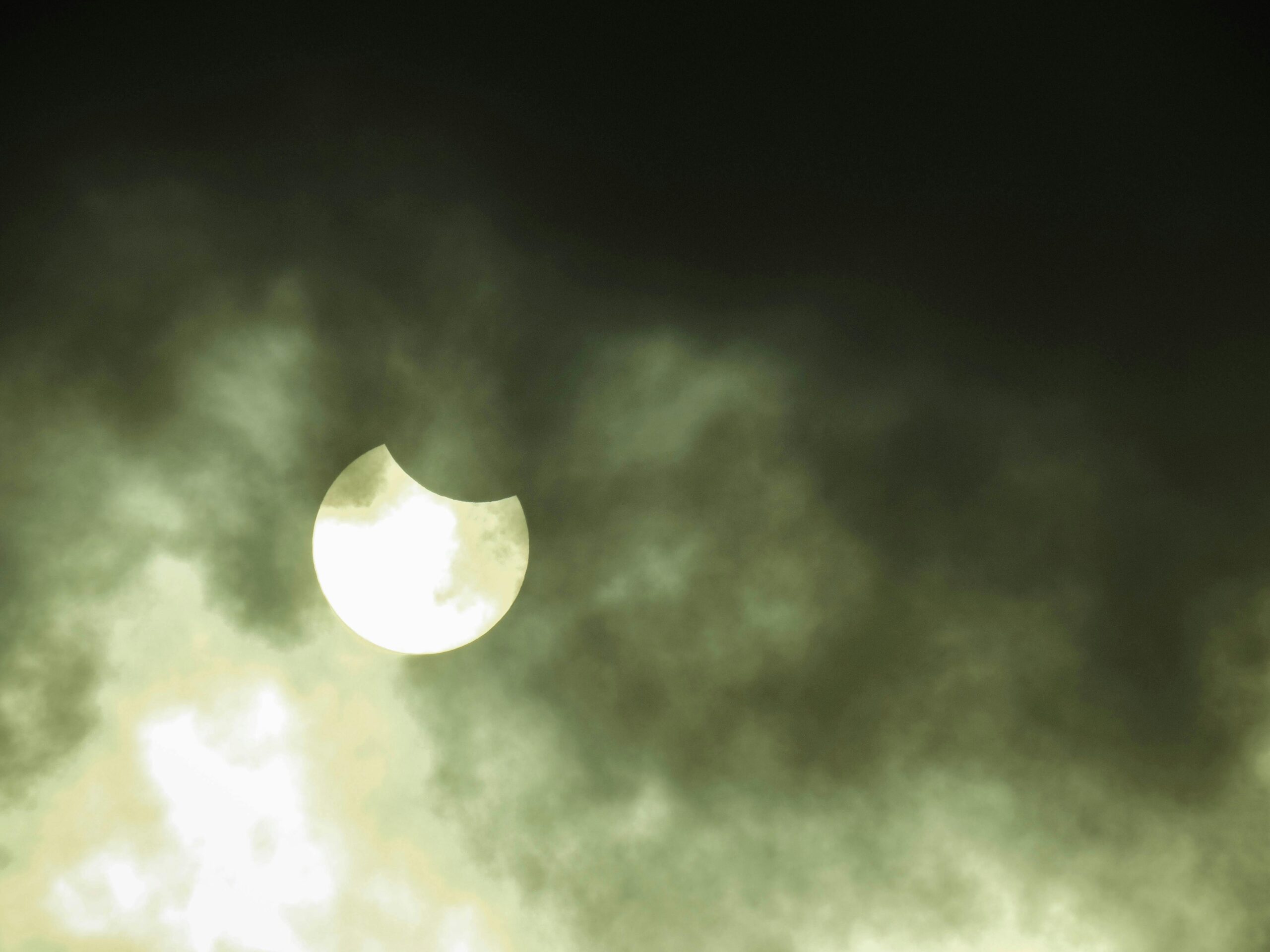
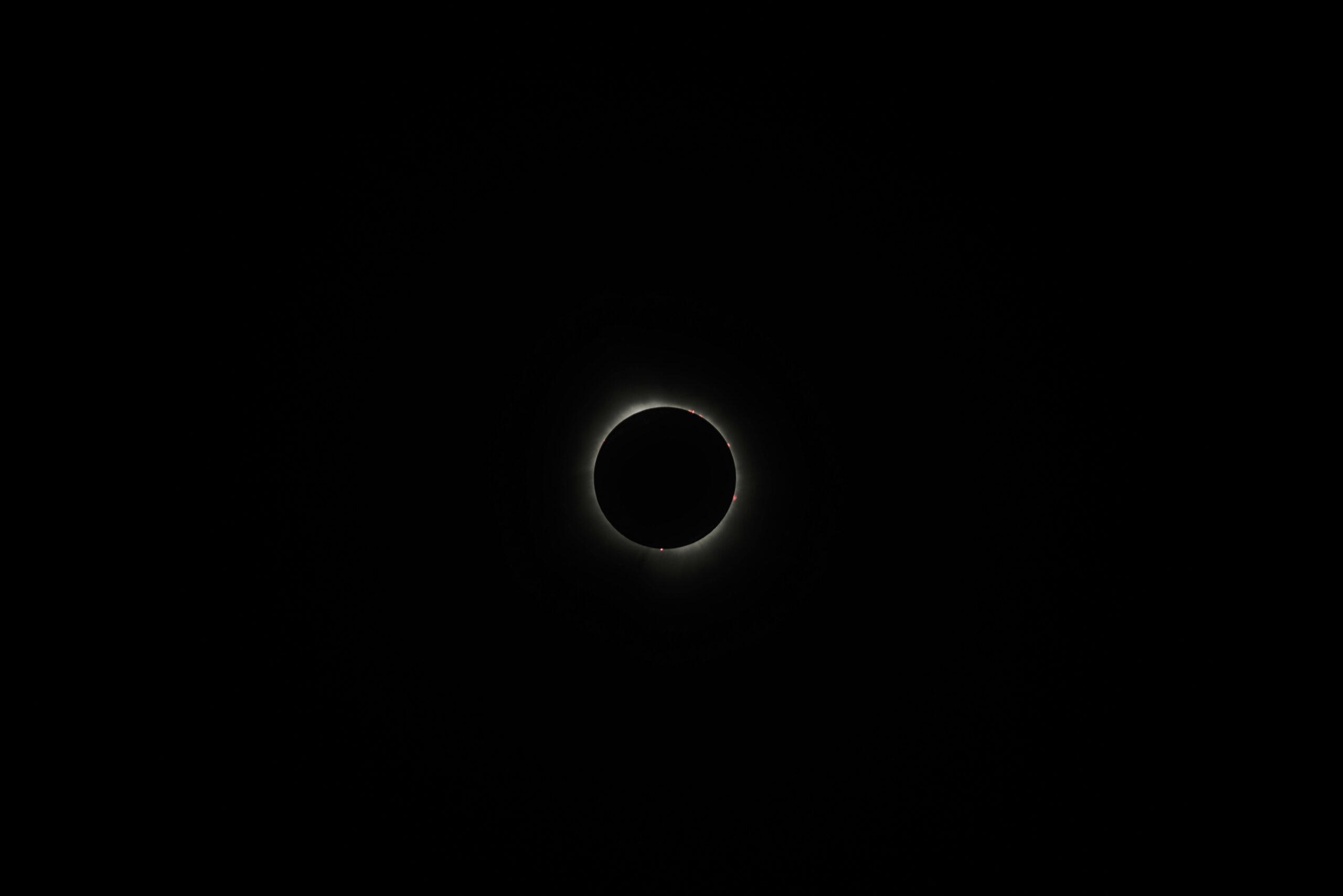
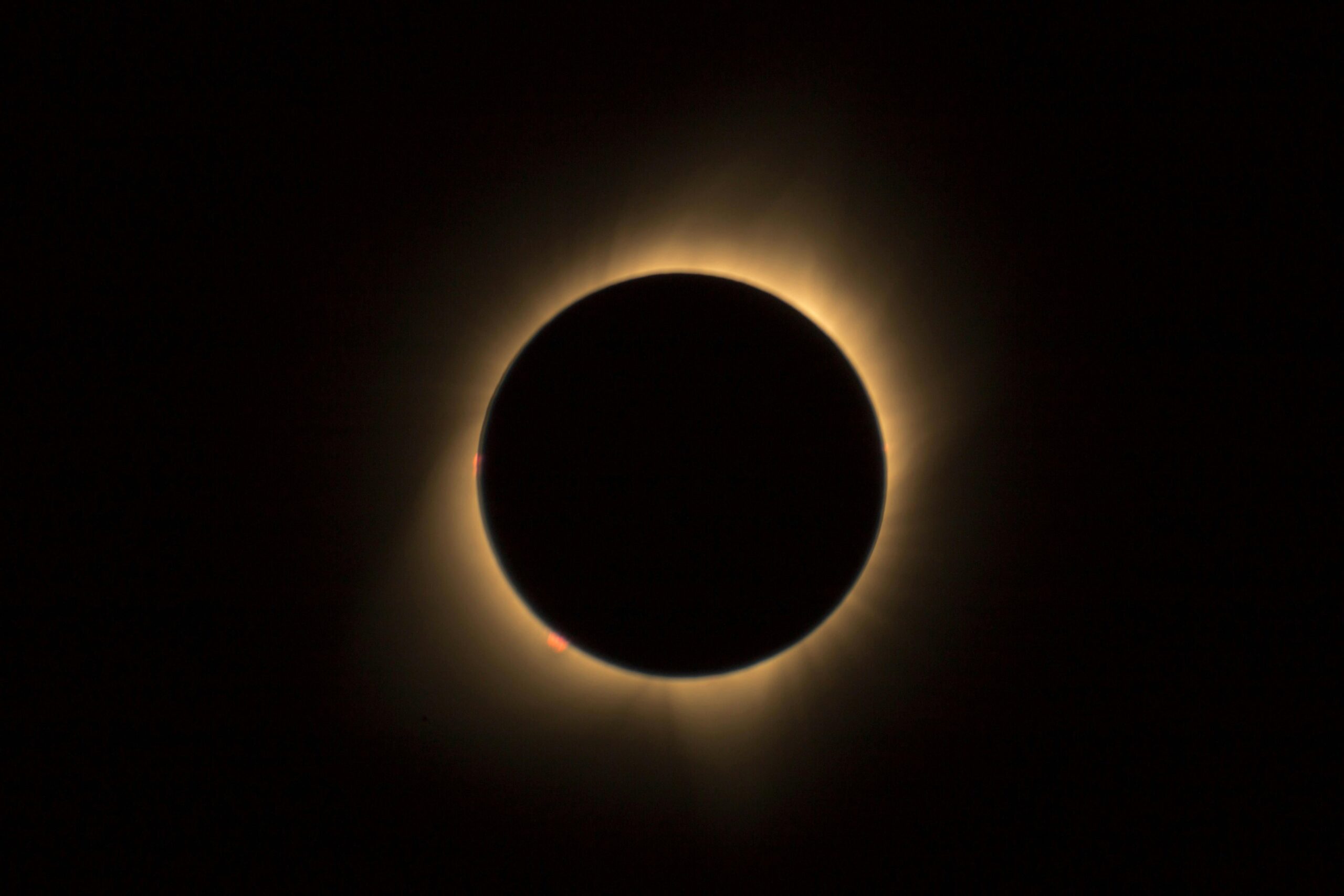
The path of totality, where the eclipse will be most visible, will stretch from the Oregon coast in the United States down through Central America and into South America, ending in Brazil. Those within this path will experience the full effect of the eclipse, with the sky darkening as if it were dawn or dusk. Outside this path, a partial eclipse will be visible, with varying degrees of coverage depending on the location. It’s essential to note that safety precautions must be taken when viewing the eclipse to protect your eyes from the Sun’s harmful rays.
Safety Tips for Viewing the Eclipse
While the solar eclipse is a breathtaking event, it’s crucial to prioritize safety. Looking directly at the Sun, even during an eclipse, can cause permanent eye damage. Here are some tips to ensure a safe viewing experience:
- Use Certified Solar Filters: Only use solar filters that meet the ISO 12312-2 international safety standard. These filters can be found in eclipse glasses or handheld viewers.
- Avoid Homemade Filters: Do not use homemade filters or ordinary sunglasses, as they do not provide adequate protection.
- Use a Pinhole Projector: This simple device allows you to project the image of the Sun onto a flat surface, enabling safe viewing.
- Supervise Children: Ensure that children are supervised and understand the importance of using proper eye protection.
For those looking to make the most of their eclipse viewing experience, there are numerous resources available online. From detailed maps of the eclipse path to easy cooking tips for family dinners that can be enjoyed while waiting for the big event, the internet is a treasure trove of information. However, it’s essential to rely on reputable sources to ensure accuracy and safety.
Historical Significance and Cultural Impact
Solar eclipses have captivated human imagination for centuries, often playing significant roles in history and culture. Ancient civilizations viewed eclipses as omens or signs from the gods. For instance, the ancient Greeks saw eclipses as a sign of impending doom, while the Chinese believed they were caused by a celestial dragon devouring the Sun. Today, eclipses serve as a reminder of our place in the universe and the wonders of celestial mechanics.
The 2023 solar eclipse is not just a scientific event but also a cultural one. Communities along the path of totality are preparing for an influx of visitors eager to witness this natural phenomenon. Local businesses, tourism boards, and educational institutions are organizing events, workshops, and viewing parties to celebrate the occasion. This collective experience fosters a sense of unity and shared wonder, transcending borders and cultures.
Scientific Research and Opportunities
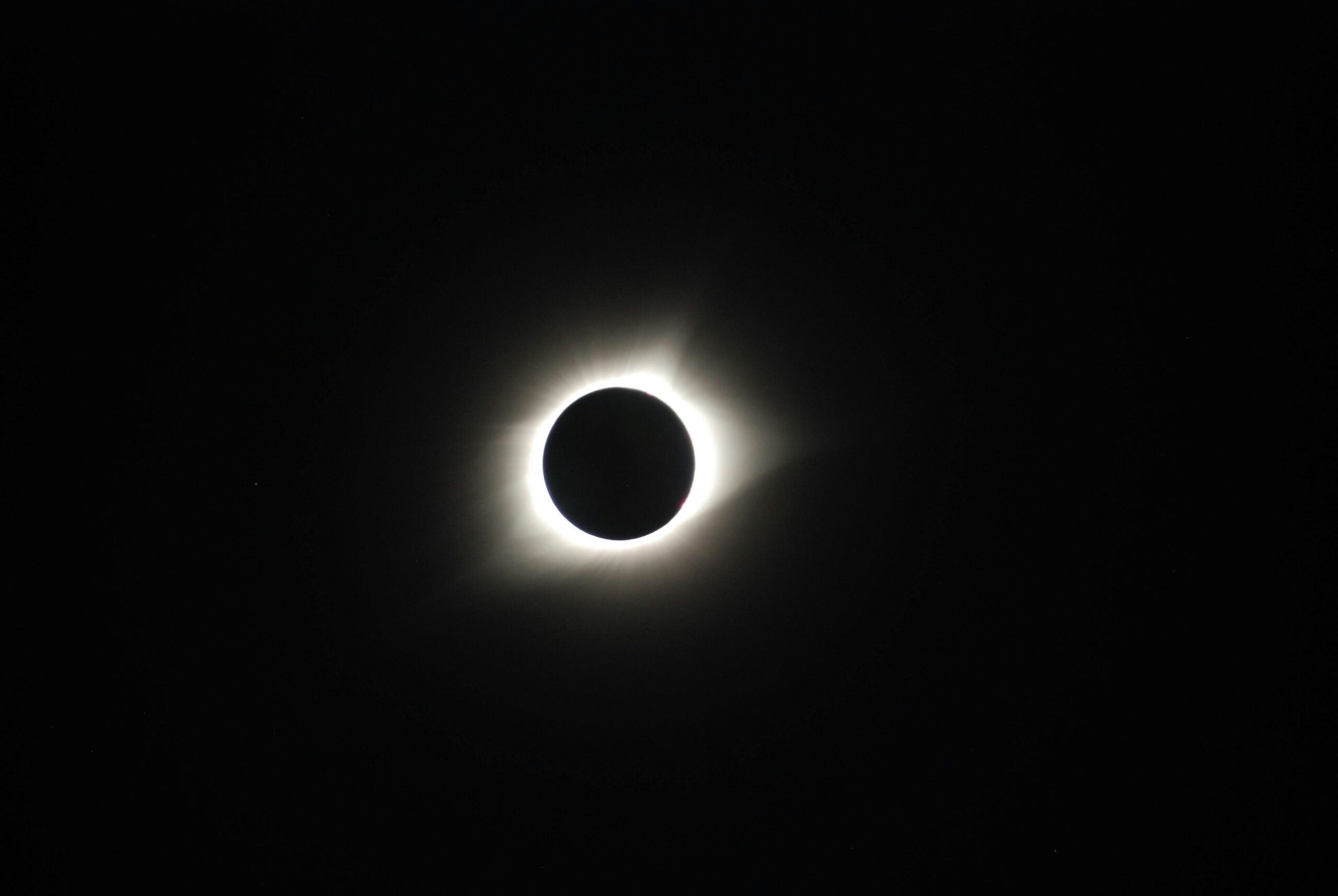
Beyond the awe-inspiring visuals, solar eclipses provide valuable opportunities for scientific research. Astronomers and researchers use eclipses to study the Sun’s corona, the outermost part of the Sun’s atmosphere, which is usually obscured by the Sun’s bright light. The corona plays a crucial role in understanding solar winds and space weather, which can impact satellite communications and power grids on Earth.
During the 2023 eclipse, scientists will be conducting various experiments to gather data on the Sun’s corona and other solar phenomena. Citizen scientists are also encouraged to participate by submitting observations and data through various online platforms. This collaborative effort not only advances our understanding of the Sun but also engages the public in the scientific process.
Preparing for the Eclipse
As the date of the eclipse approaches, it’s essential to prepare adequately. Here are some steps to ensure you make the most of this celestial event:
- Plan Your Location: Determine the best viewing spot within the path of totality or a location with good visibility for a partial eclipse.
- Gather Supplies: Stock up on certified solar filters, pinhole projectors, and other viewing equipment.
- Check the Weather: Monitor weather forecasts to ensure clear skies for optimal viewing.
- Educate Yourself: Learn about the science behind solar eclipses and the cultural significance of this event.
- Share the Experience: Invite friends and family to join you in witnessing this remarkable event, fostering a shared sense of wonder and discovery.
The 2023 solar eclipse promises to be a memorable event, uniting people from diverse backgrounds in a shared experience of natural beauty and scientific curiosity. By taking the necessary precautions and preparing adequately, we can all enjoy this celestial spectacle safely and responsibly.
As sleep deprivation continues to affect millions, our latest report, sleep’s public health implications, delves into the growing concern and its broader societal impacts.
Amidst the fast-paced news cycle, it’s essential to pause and reflect on personal growth; consider exploring the secrets to a fulfilling life for a fresh perspective on self-improvement.
Amidst the city’s industrial backdrop, Sheffield’s green spaces thrive offering residents a vital connection to nature.