The Anticipation Builds for the Solar Eclipse
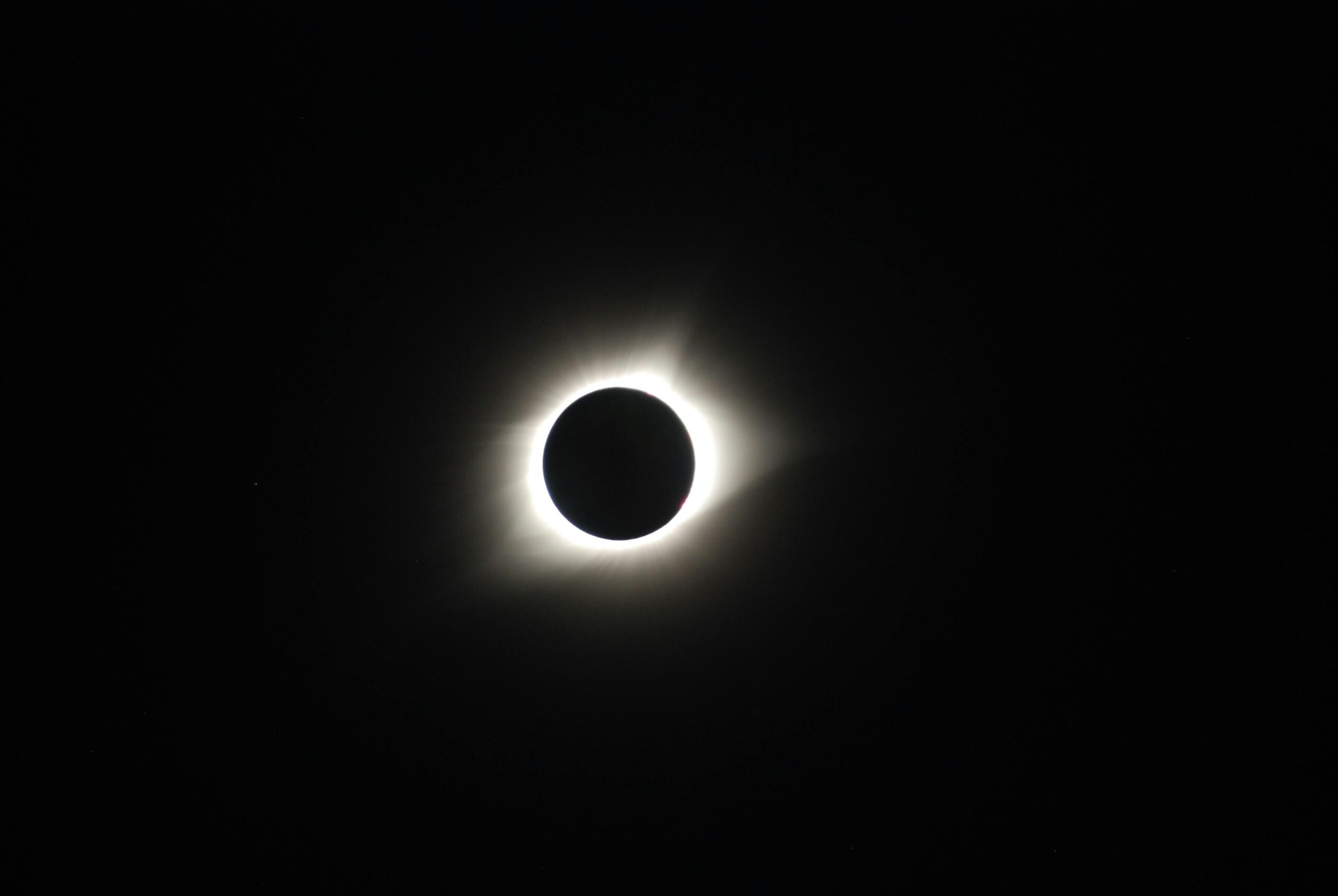
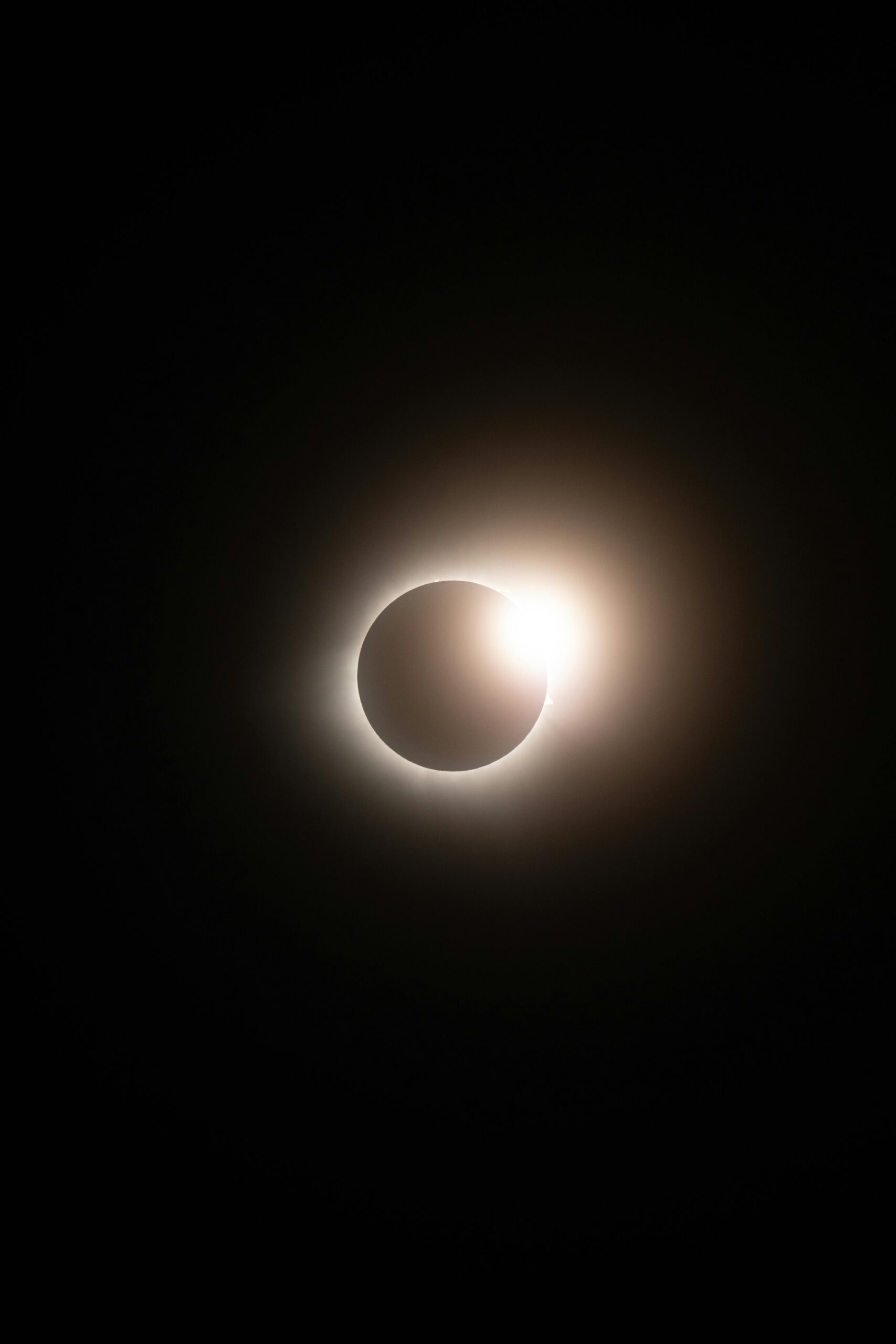
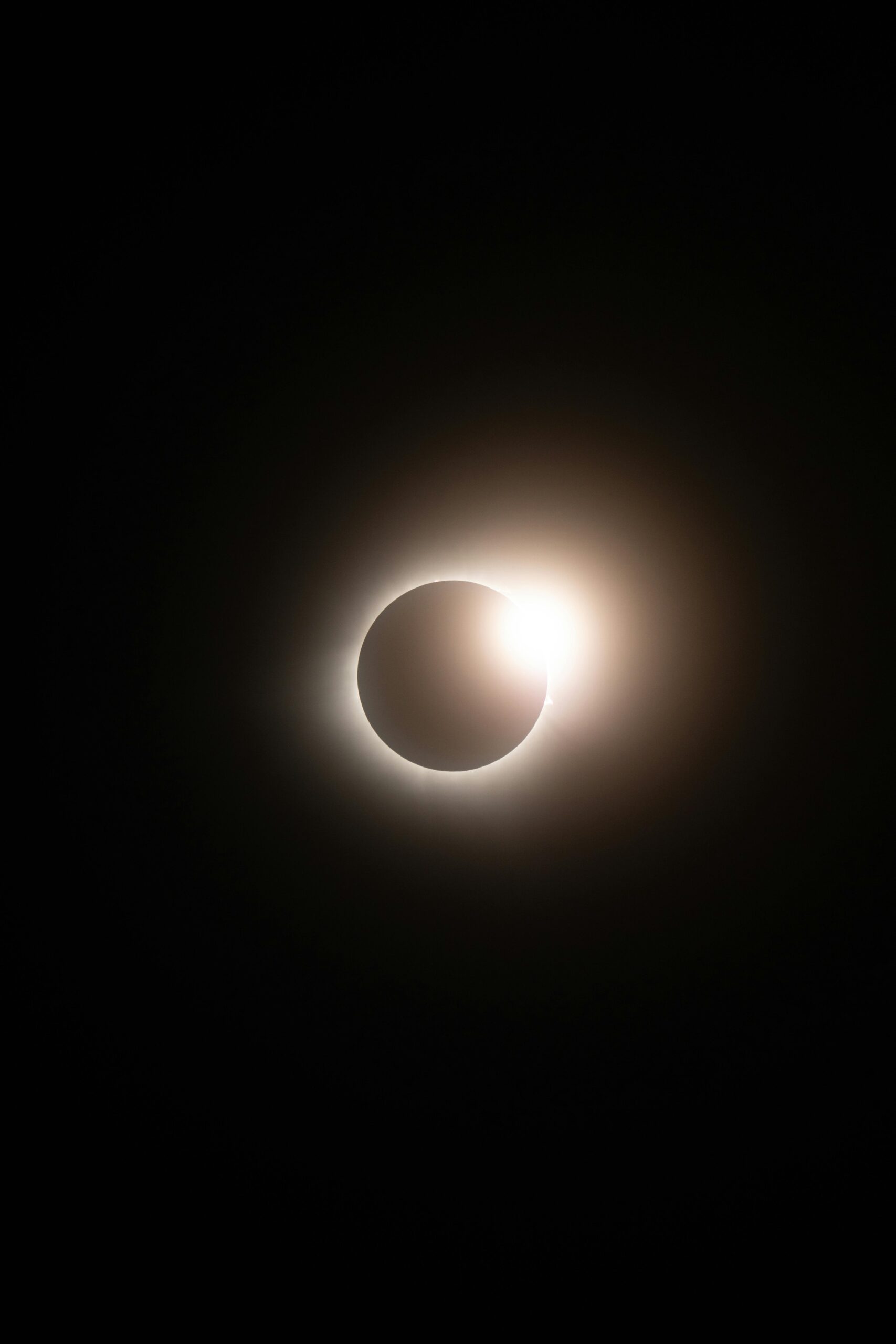
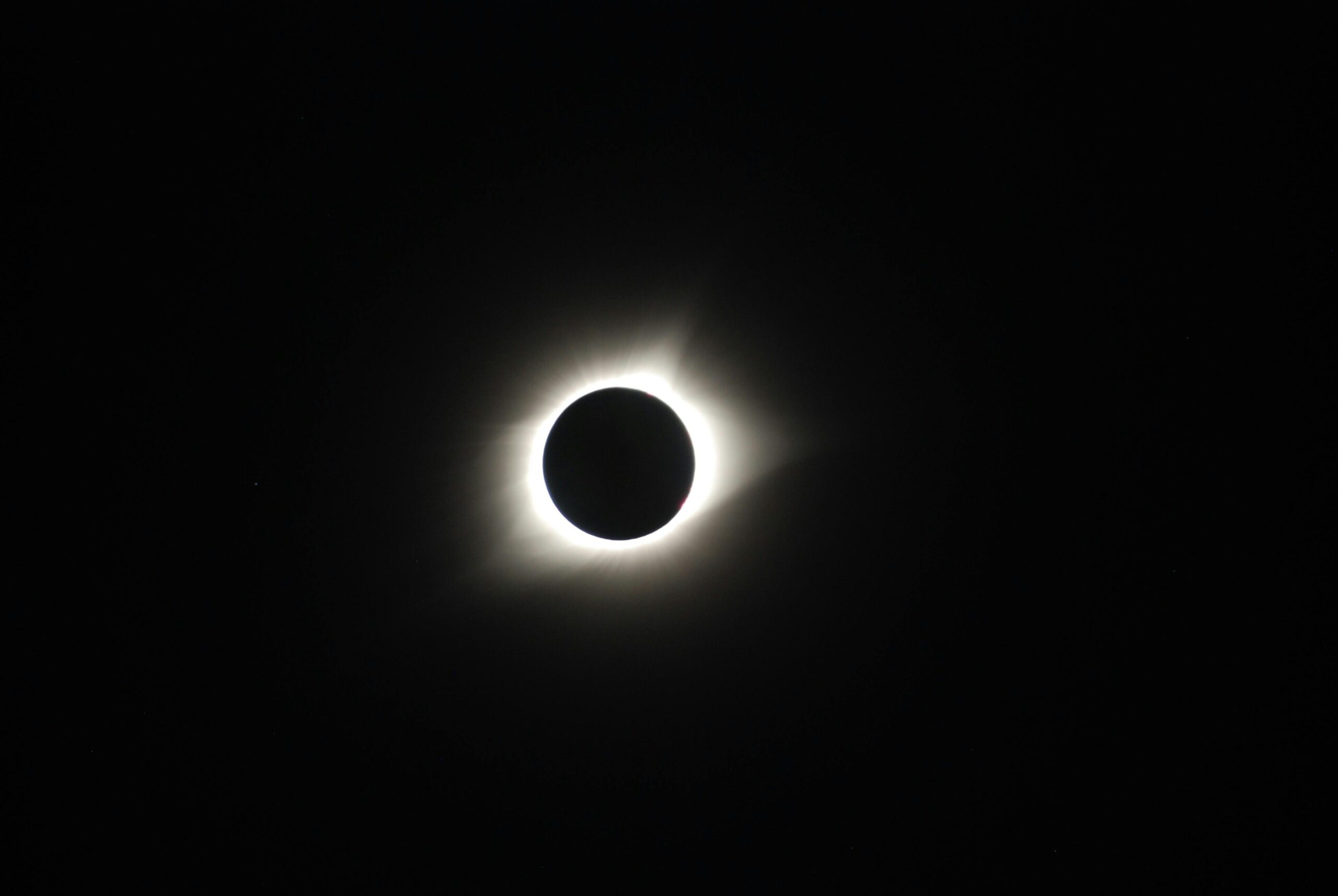
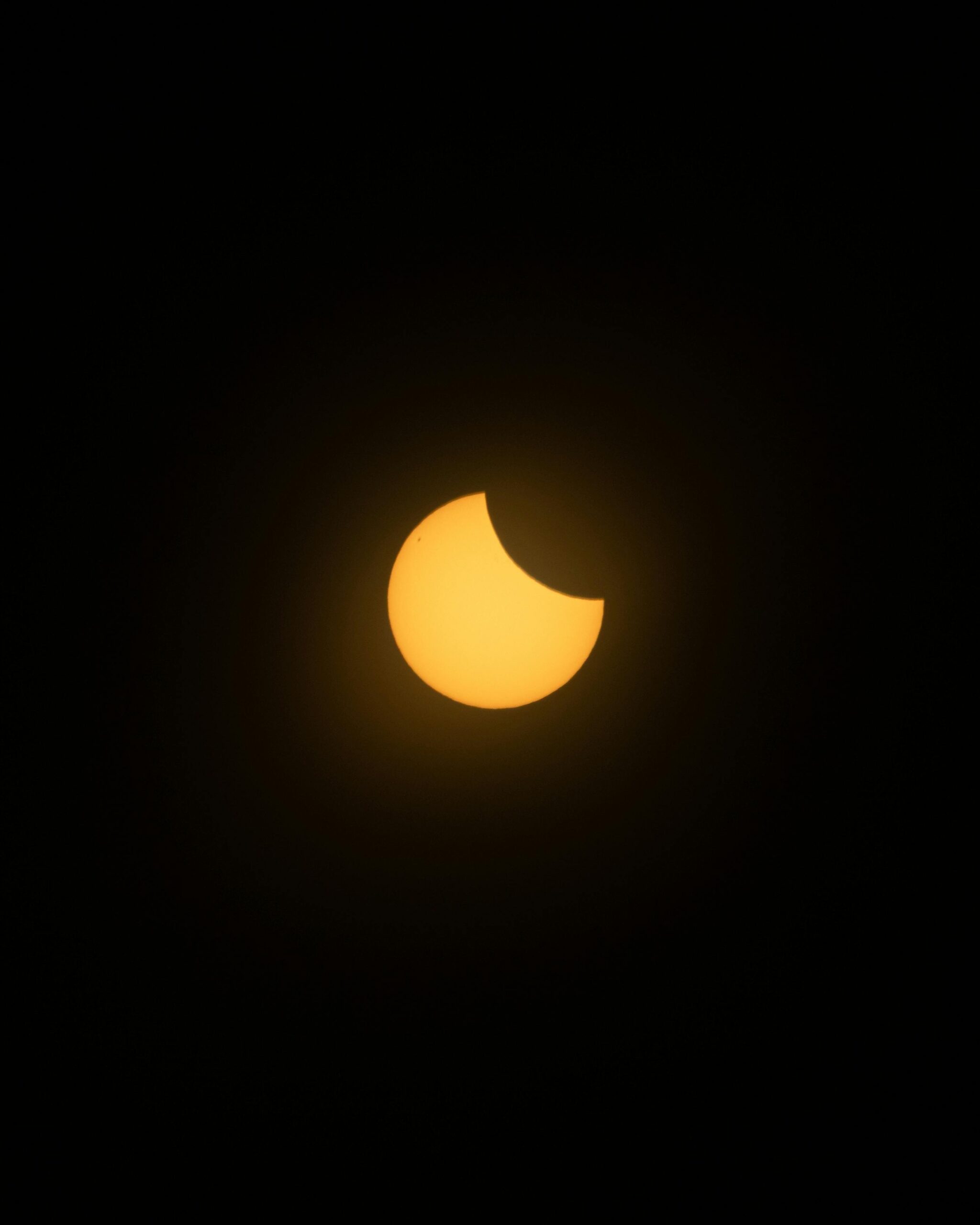
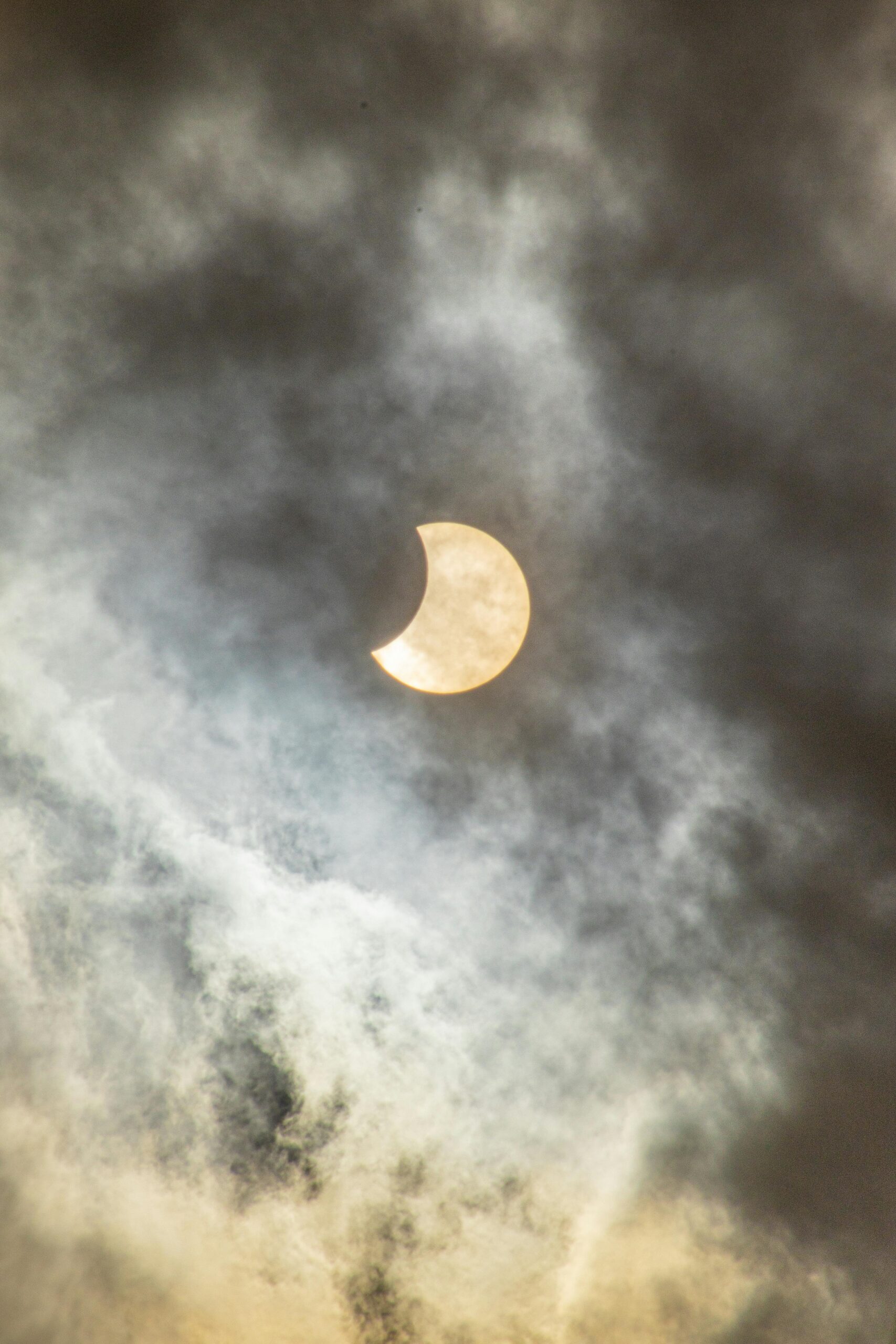
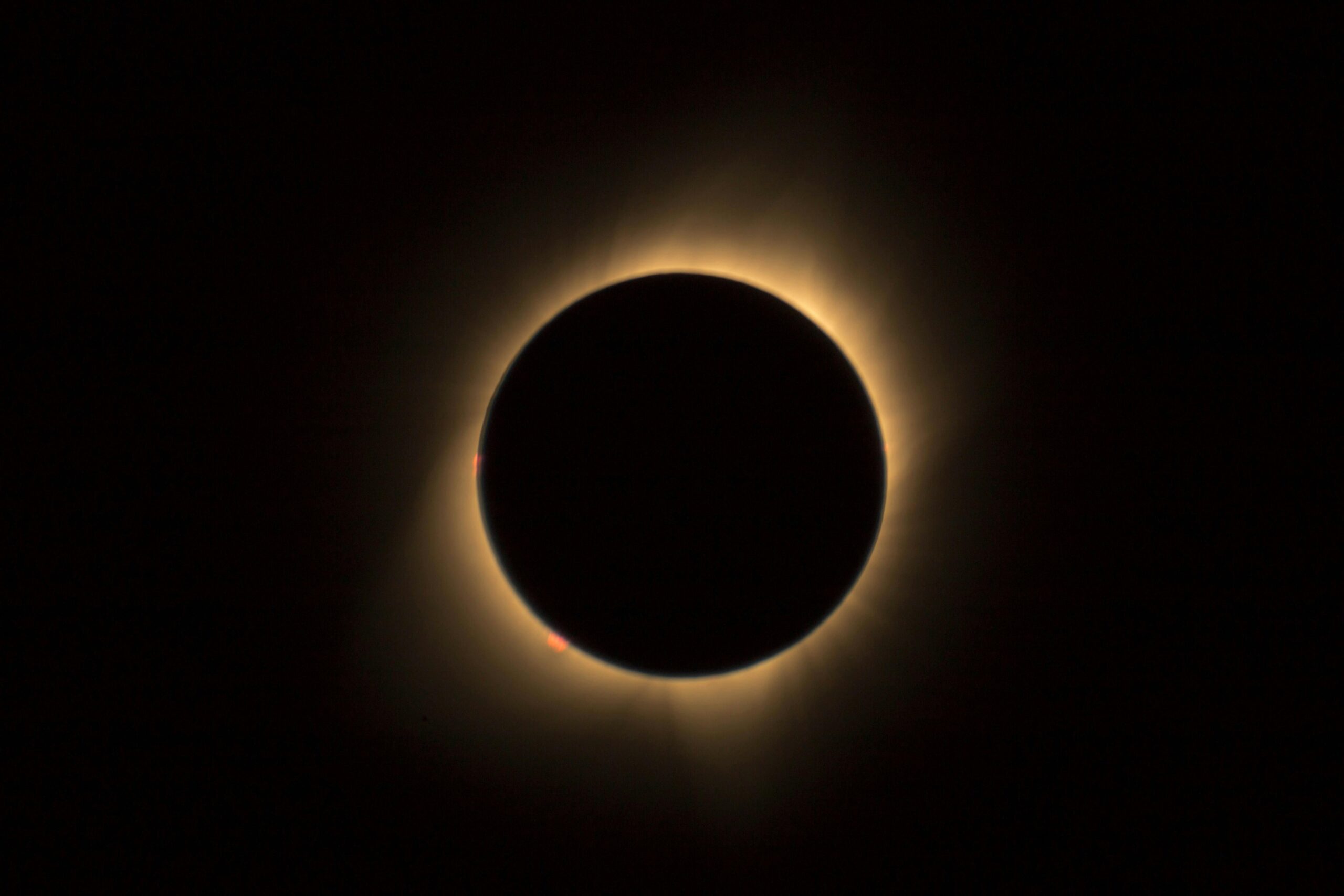
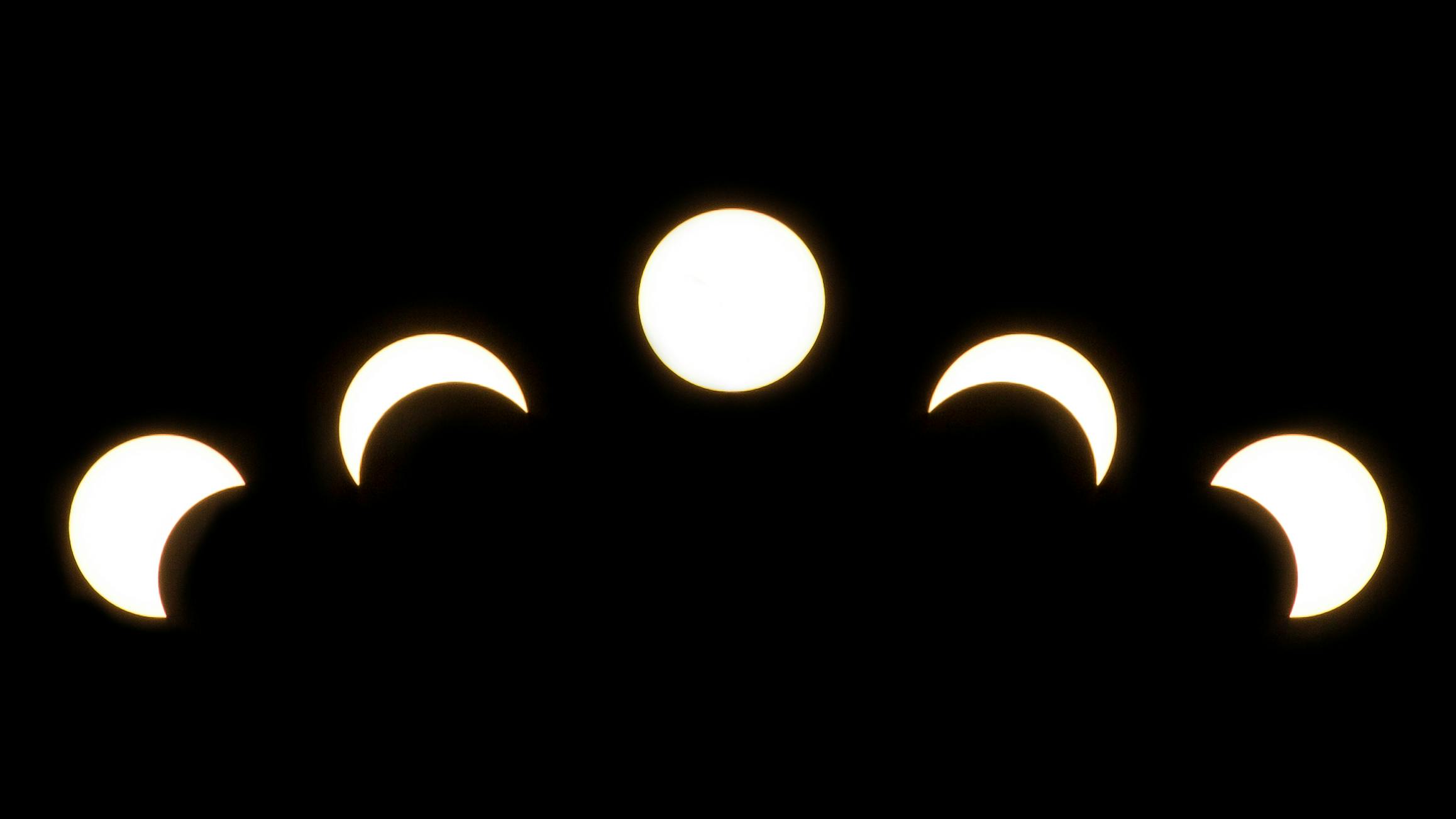
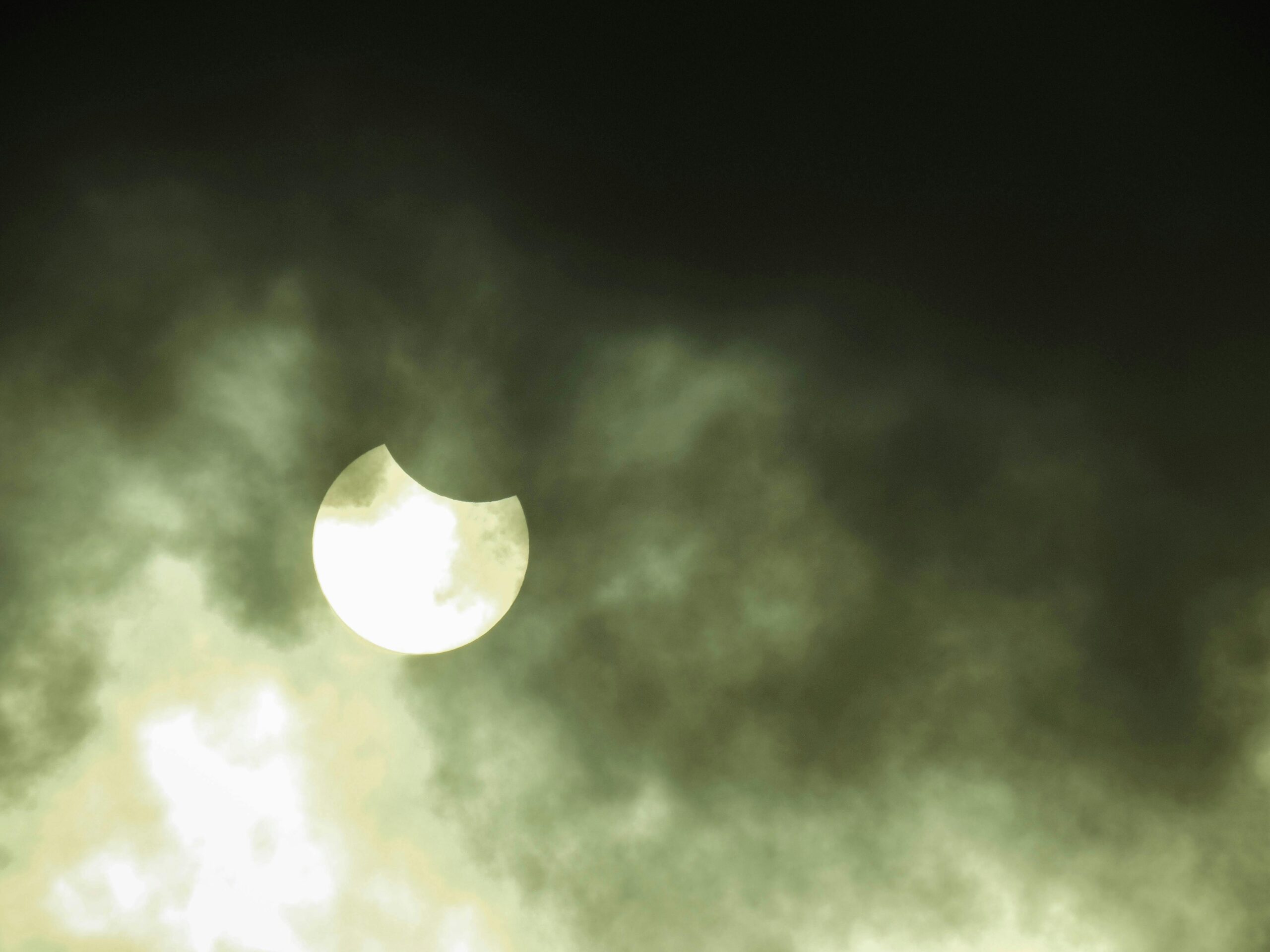
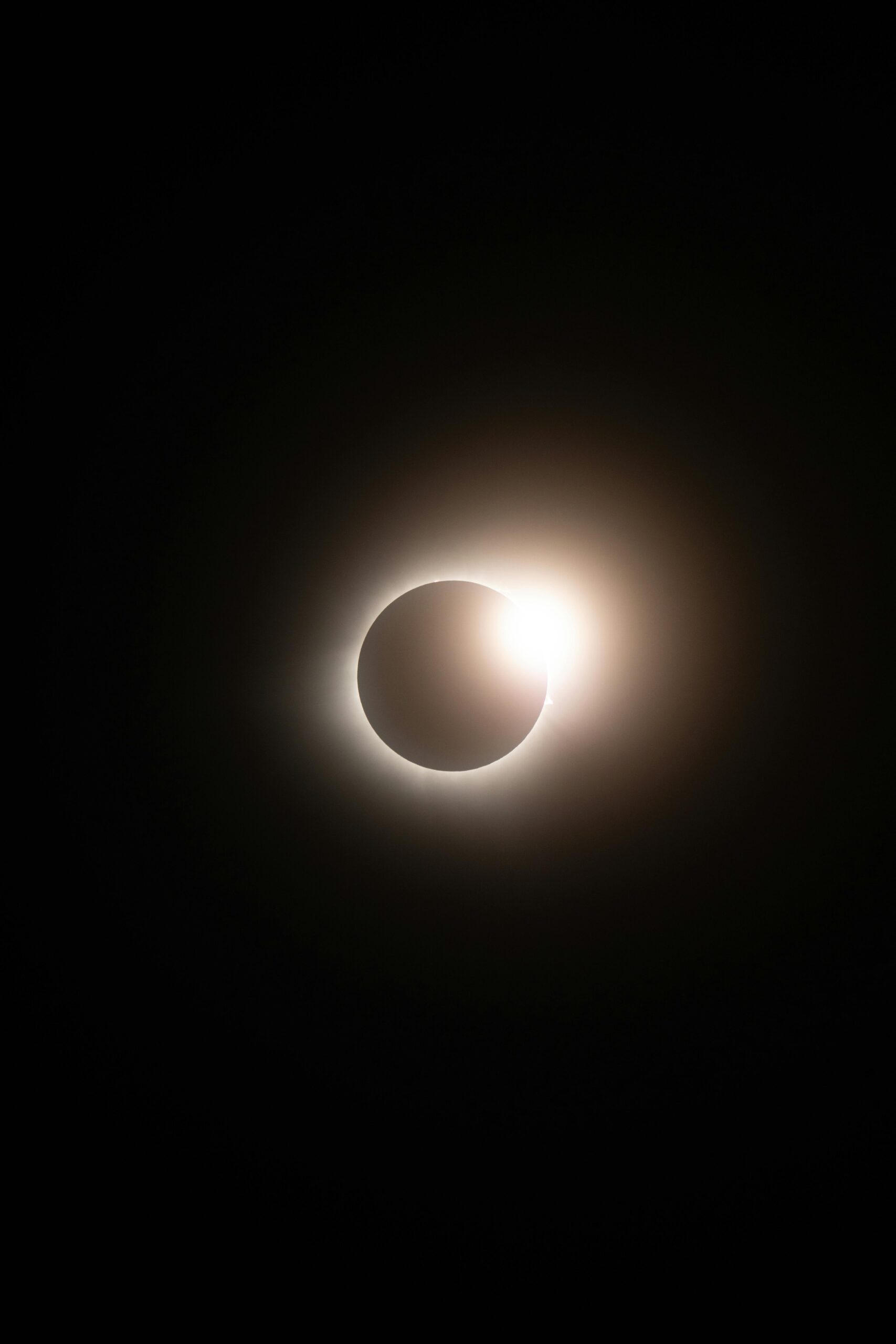
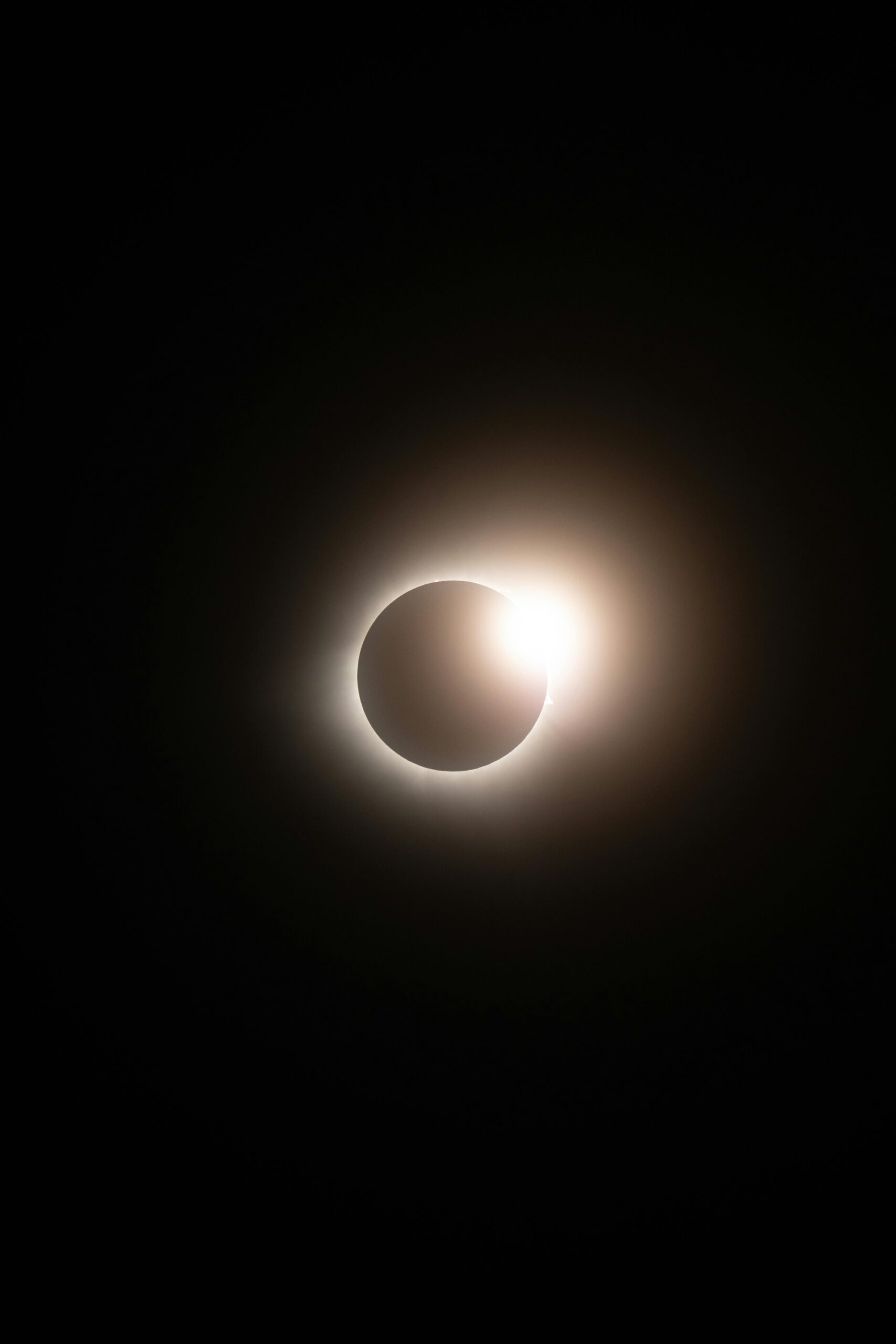
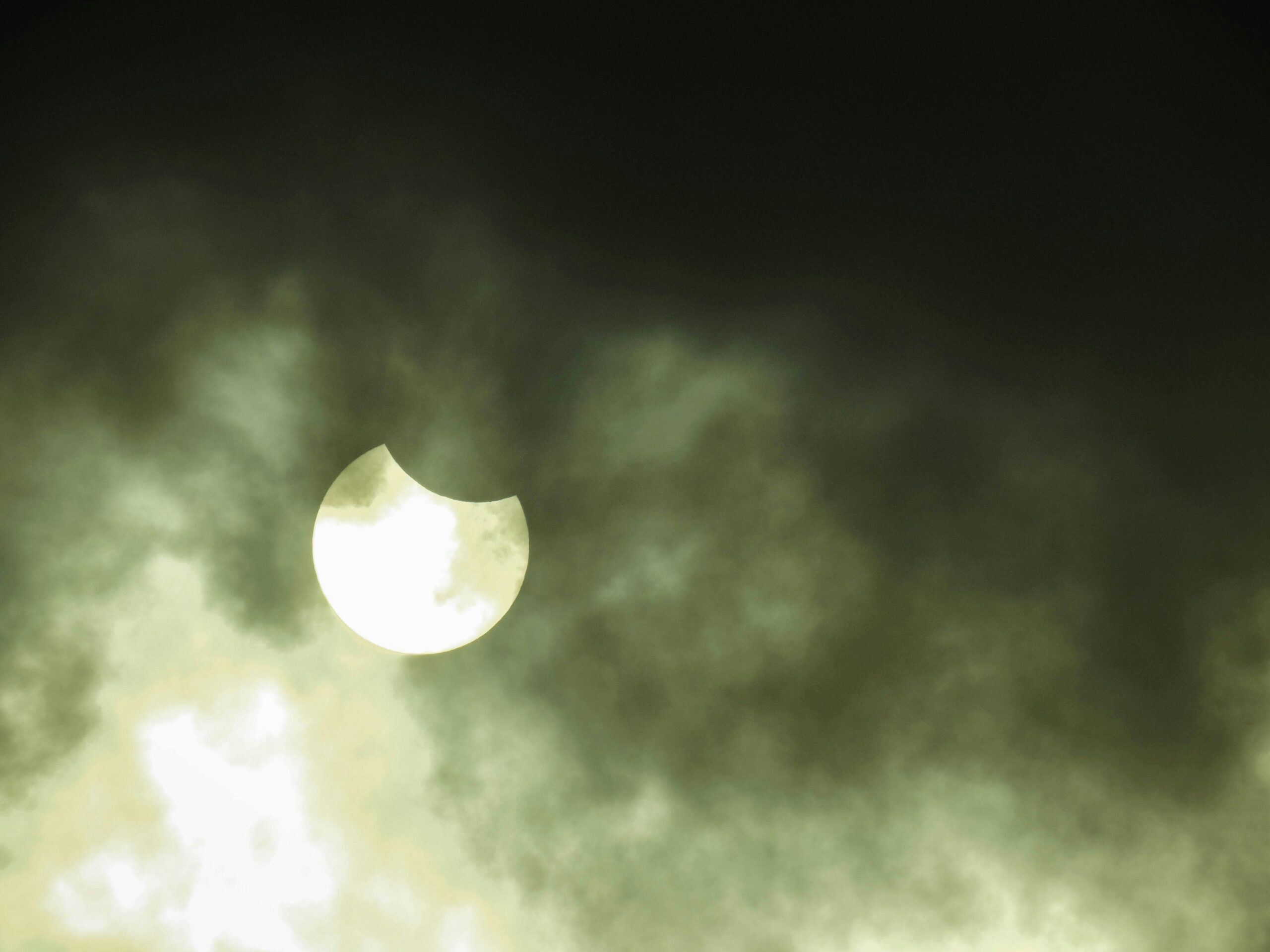
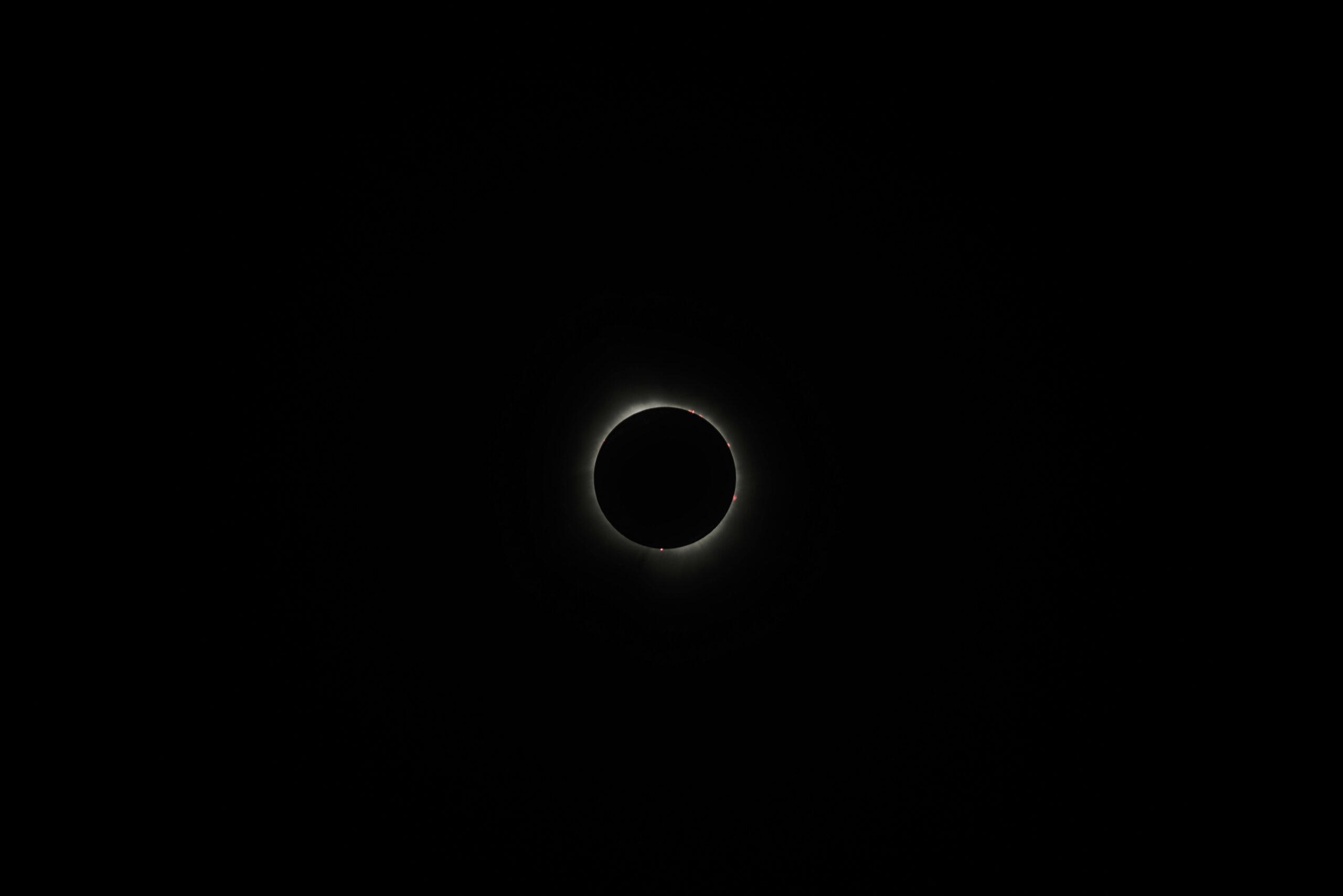
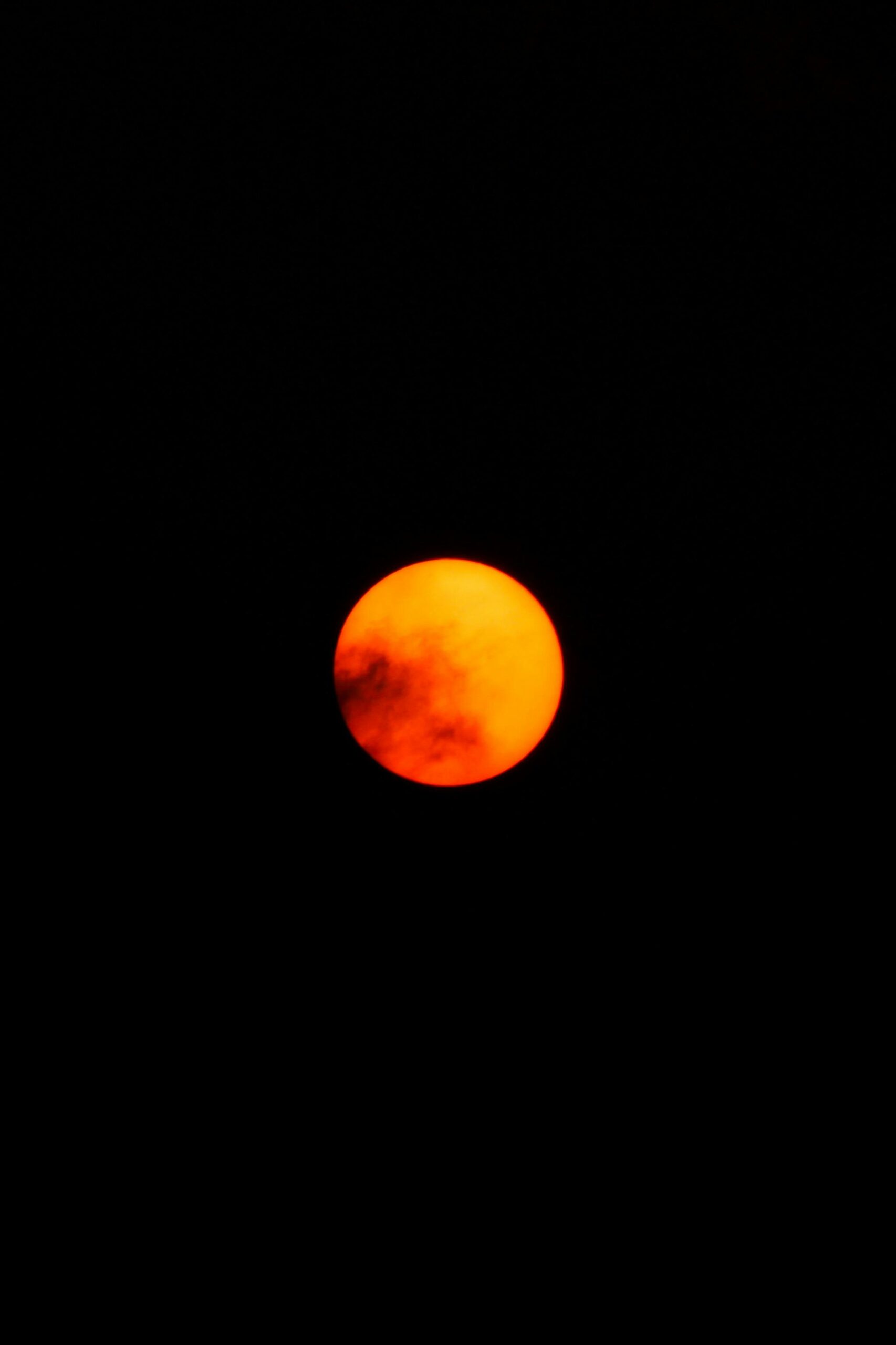
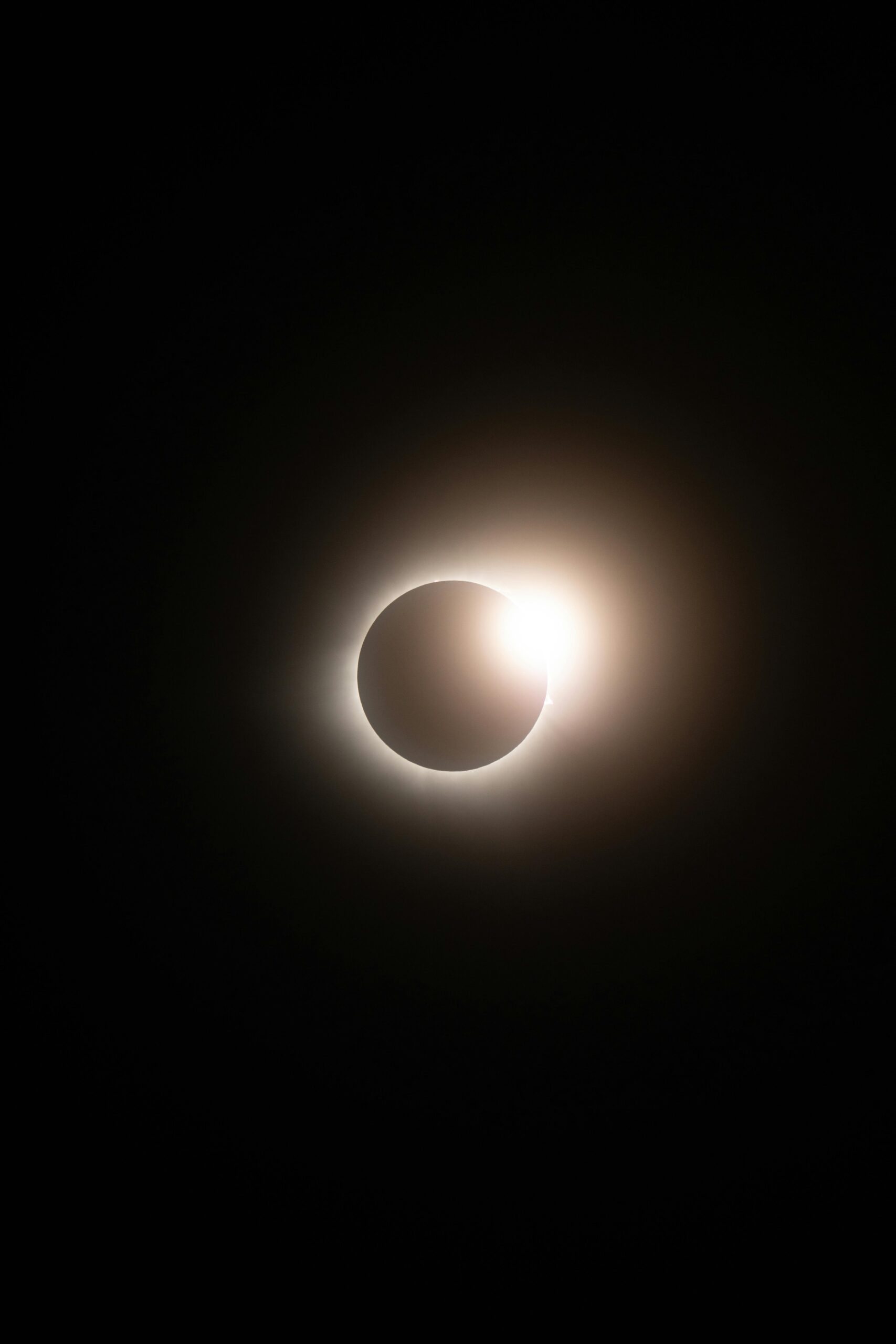
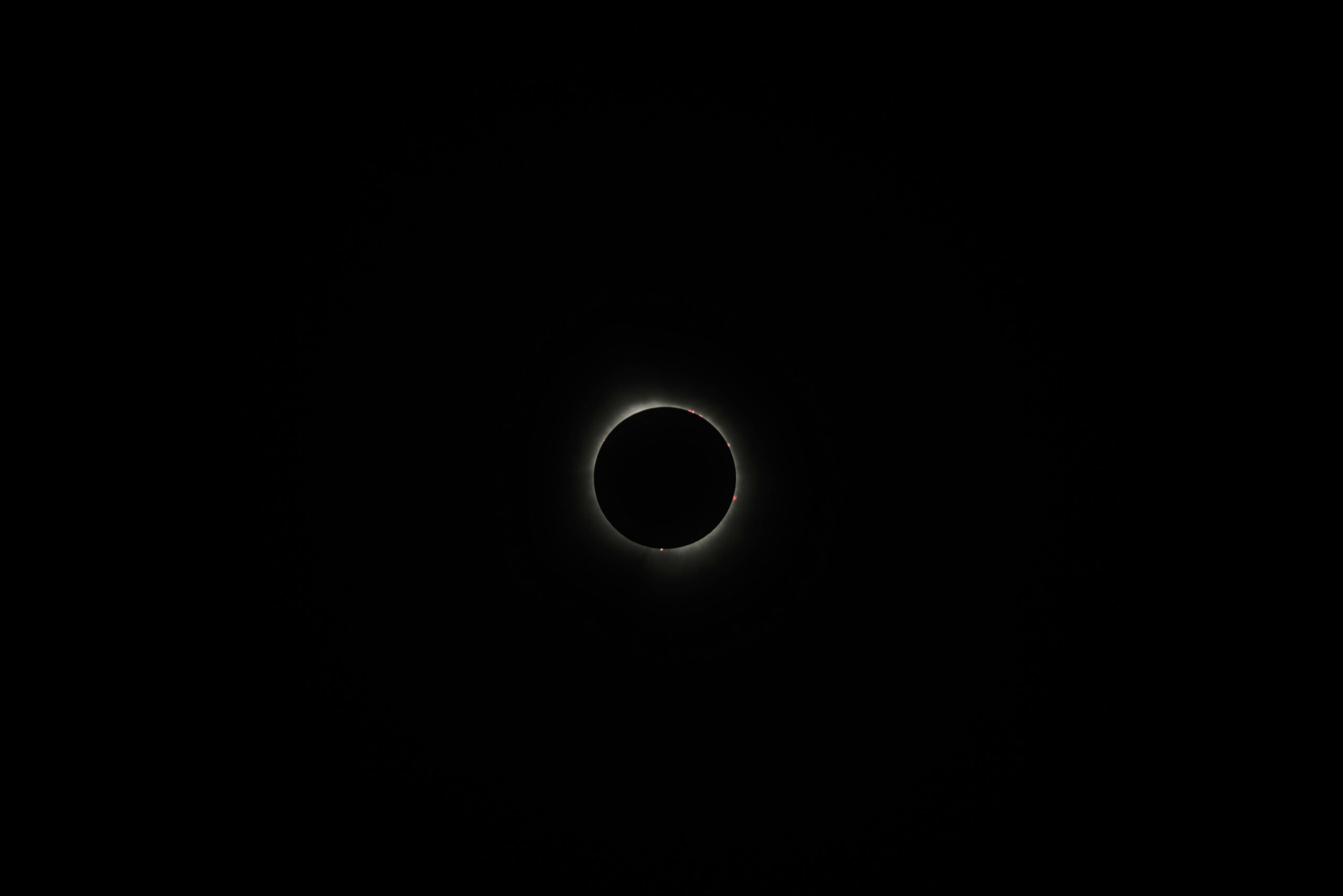
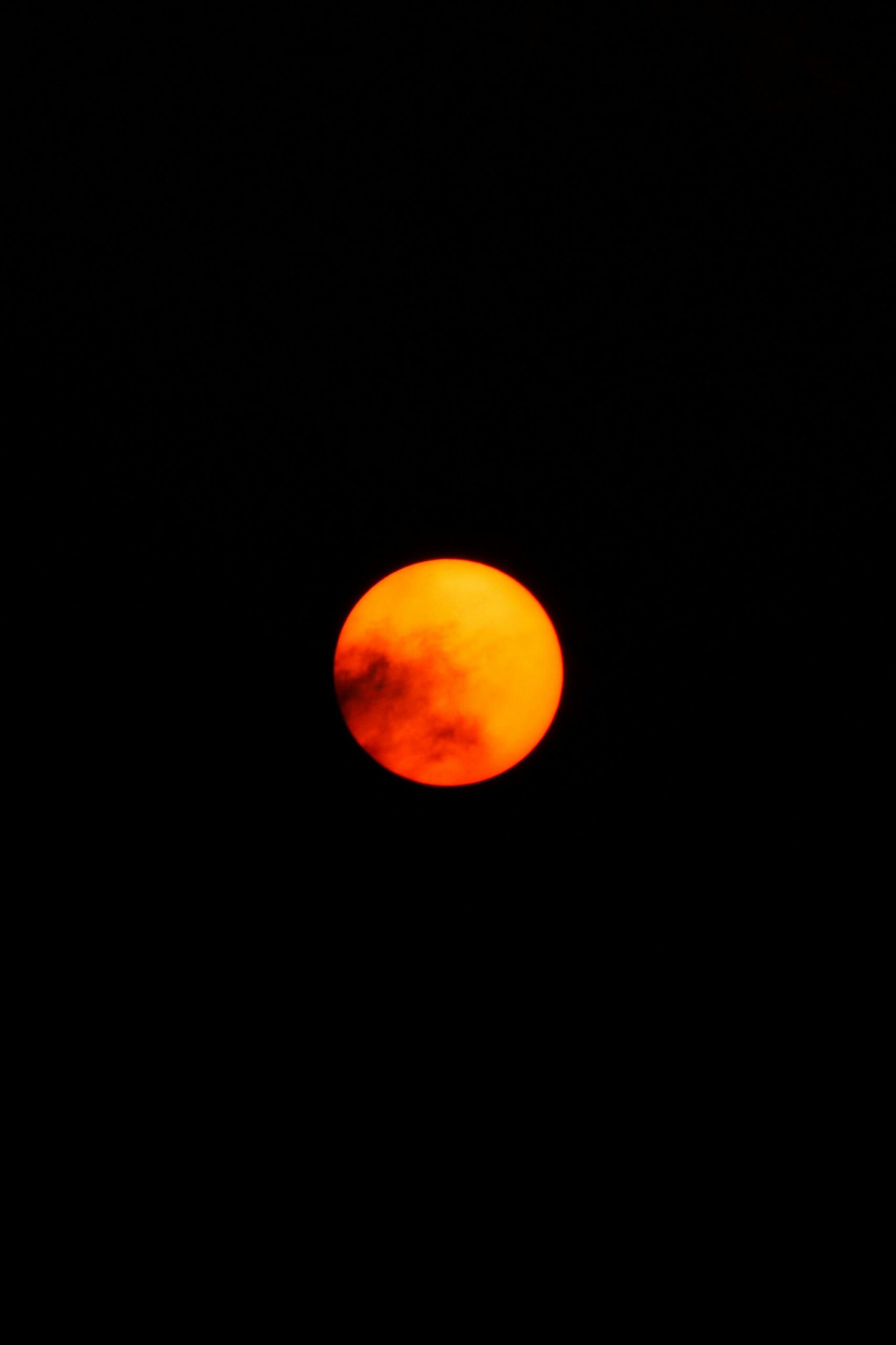
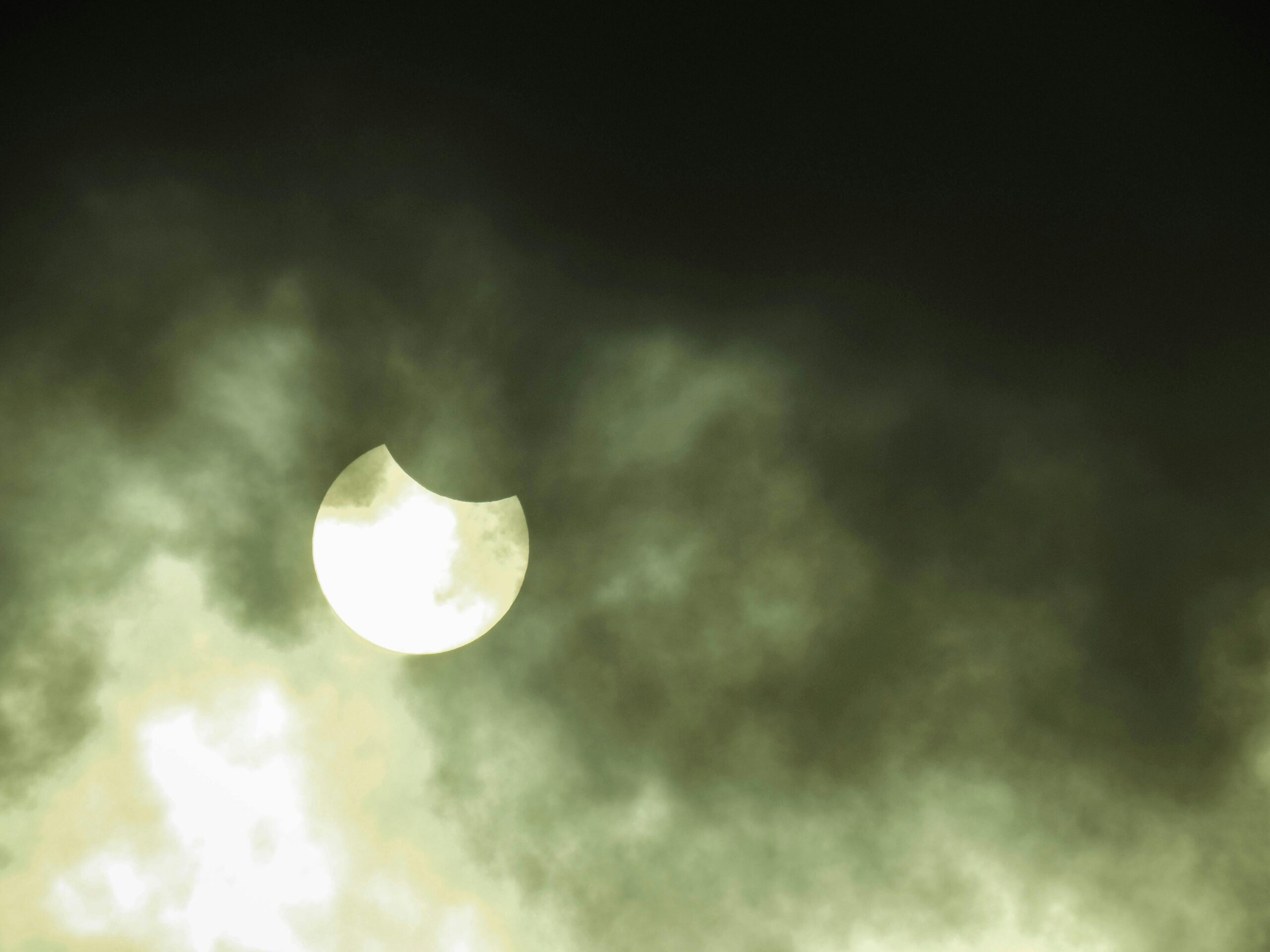
The astronomical community and enthusiasts alike are abuzz with excitement as the next solar eclipse approaches. Scheduled to occur on October 14, 2023, this celestial event promises to be a spectacular display of nature’s grandeur. The eclipse will be visible across North, Central, and South America, offering a unique opportunity for millions to witness this rare phenomenon.
Understanding Solar Eclipses
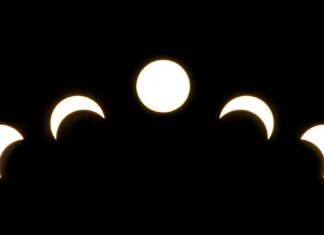
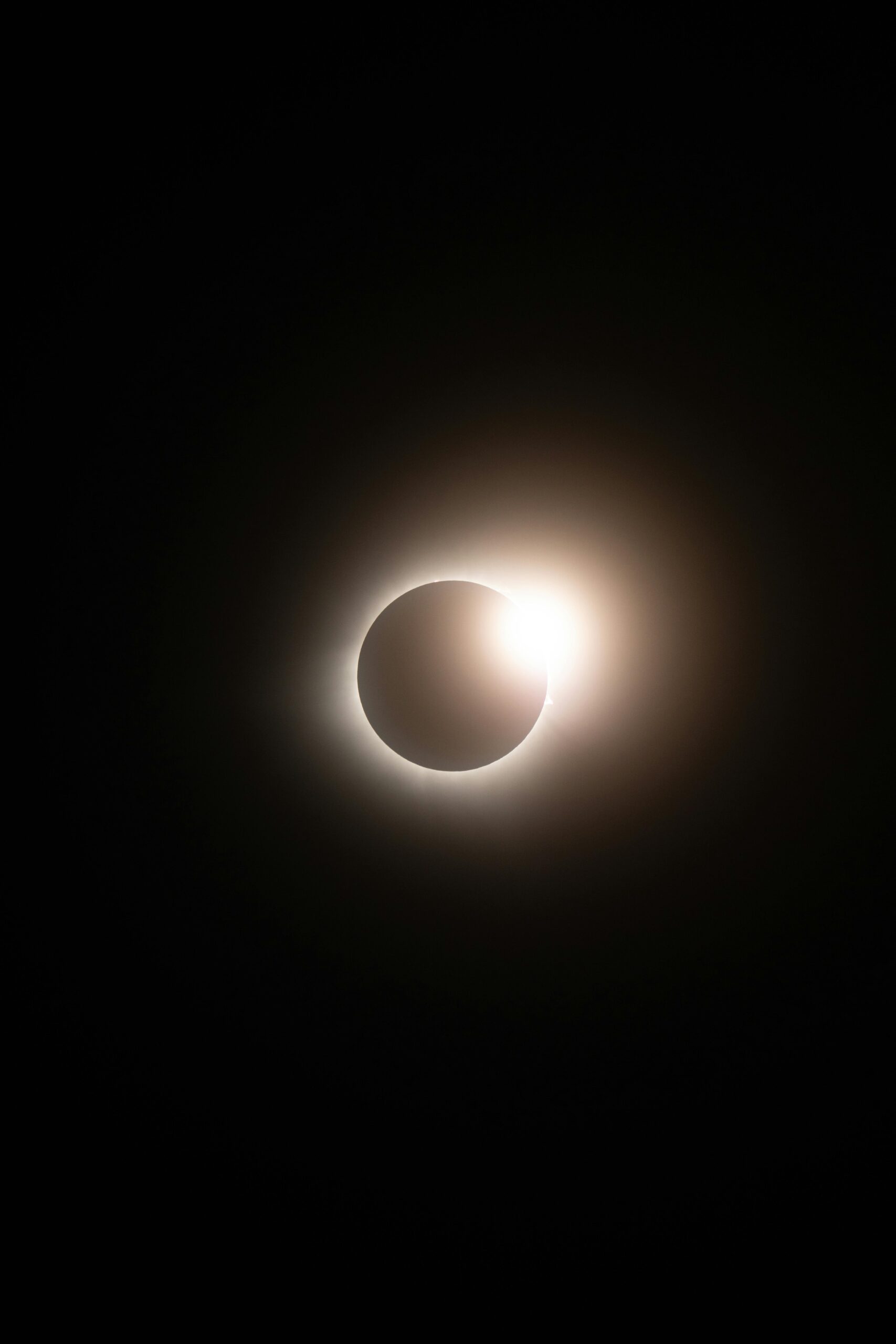
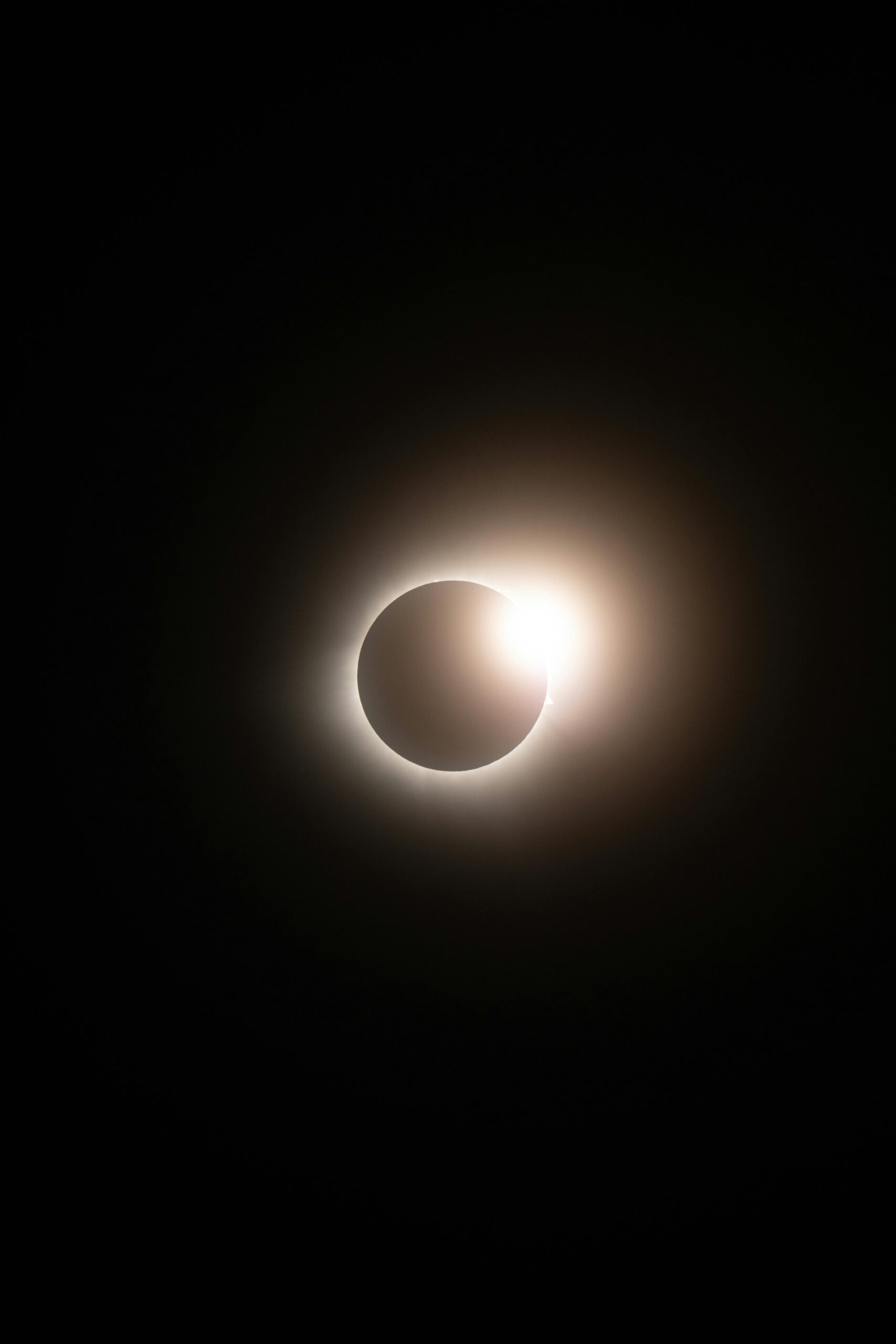
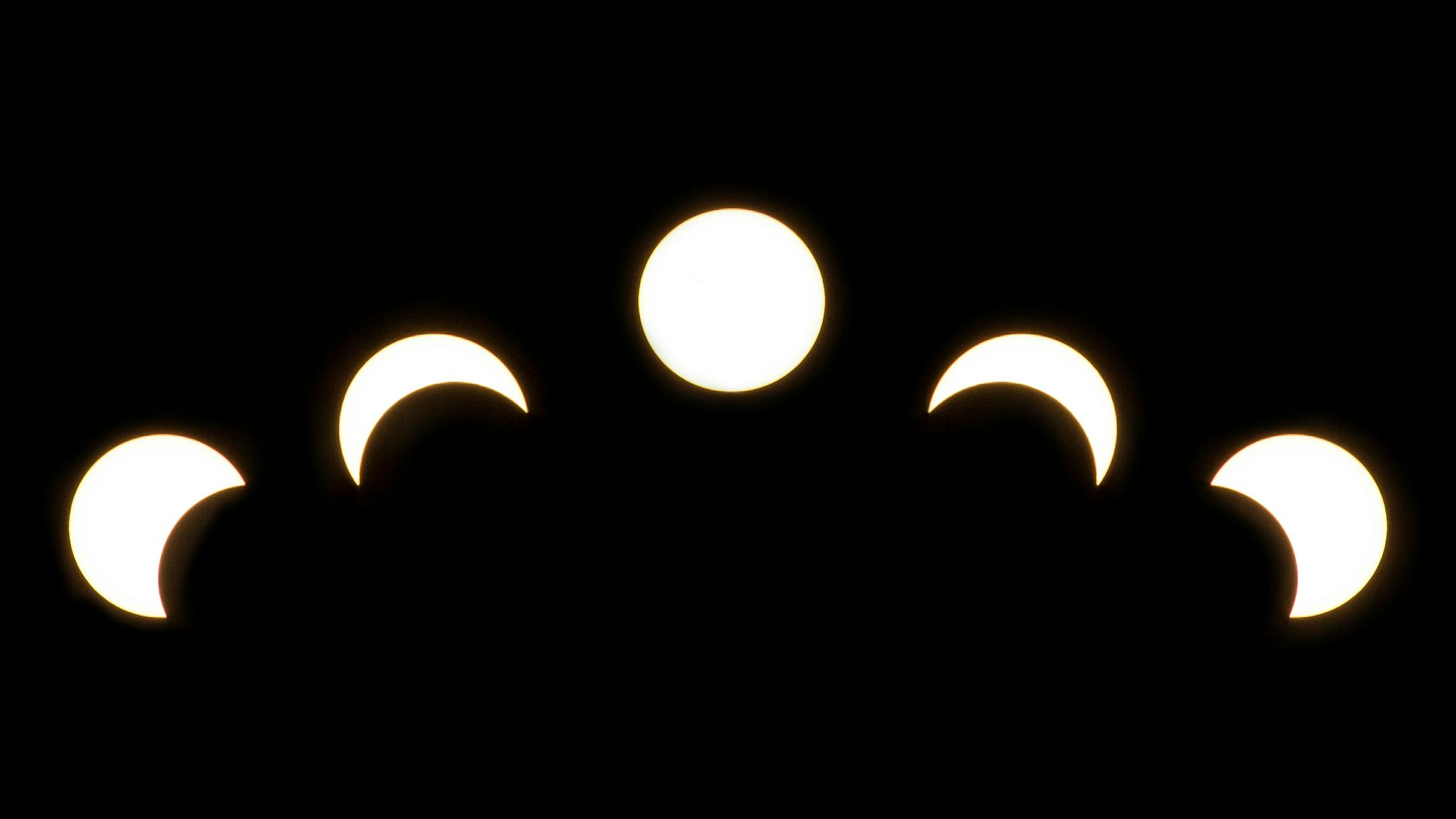
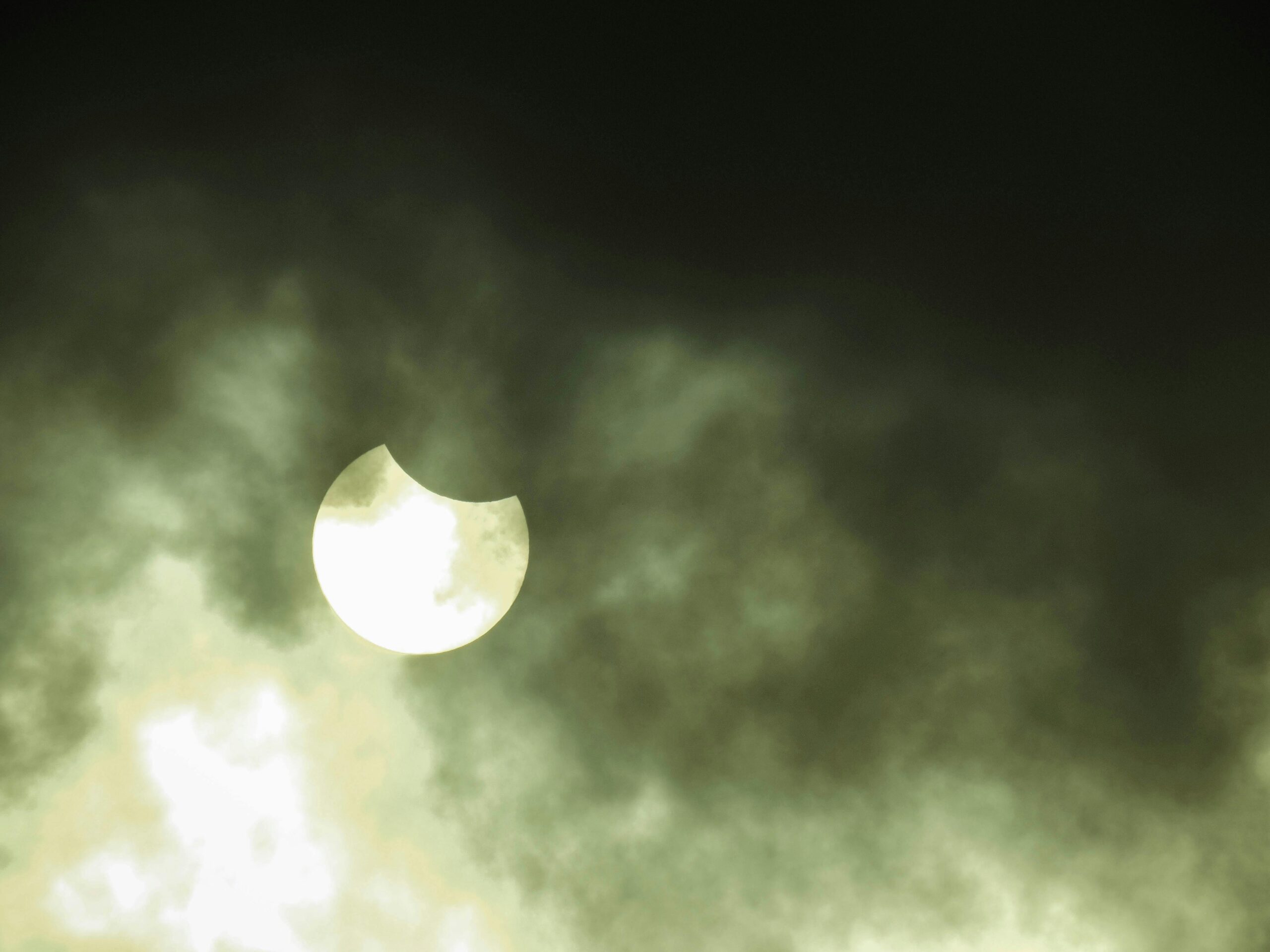
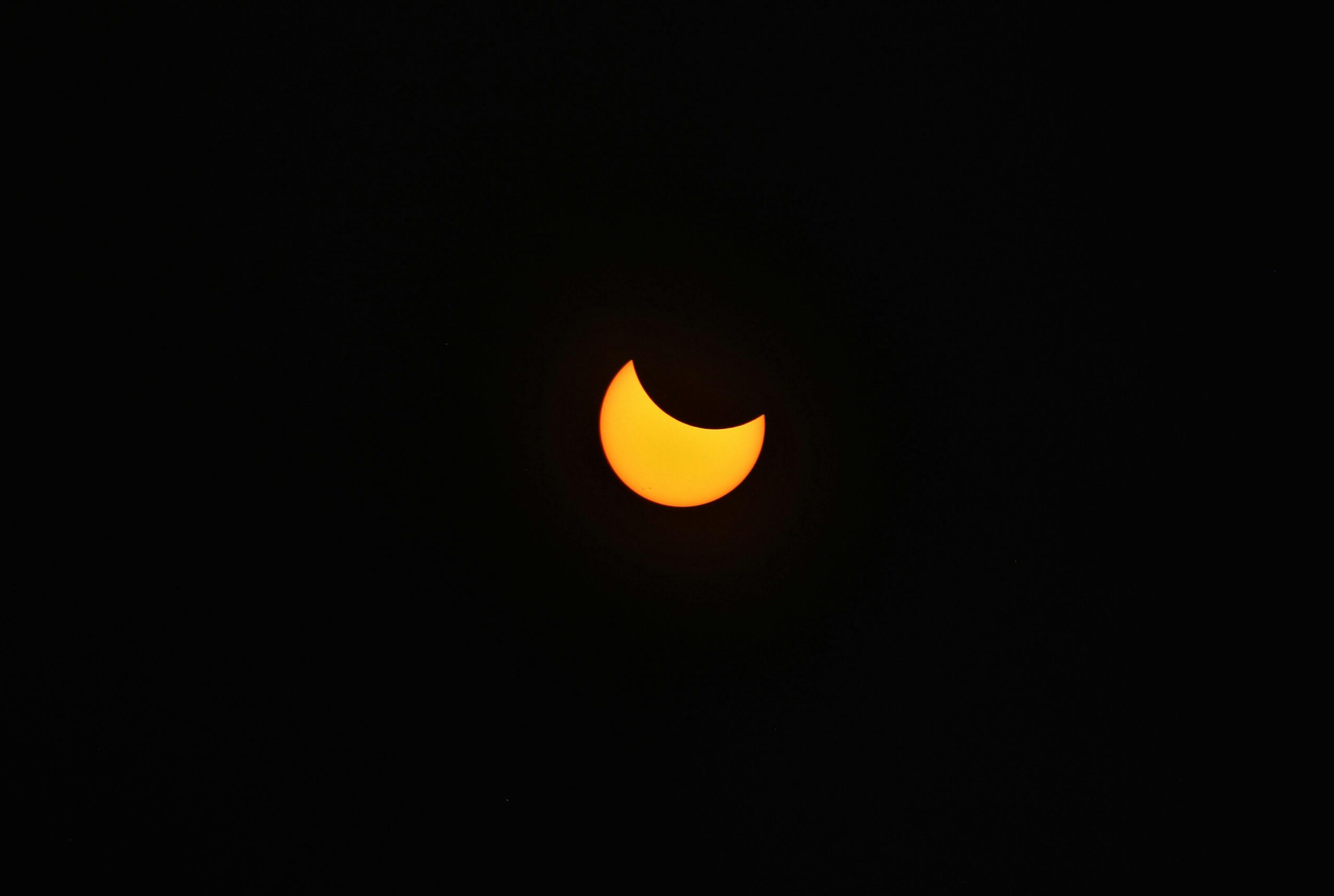
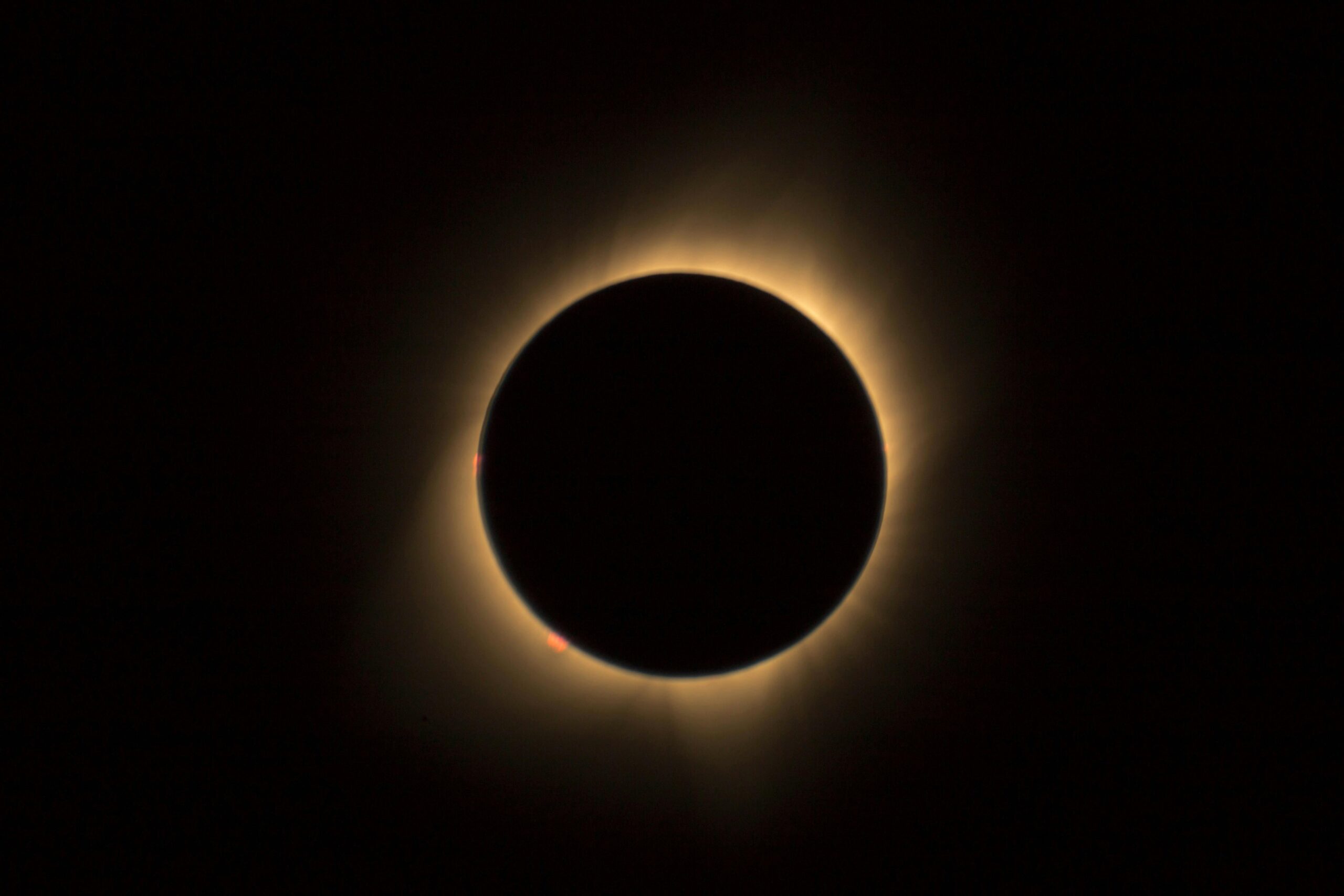
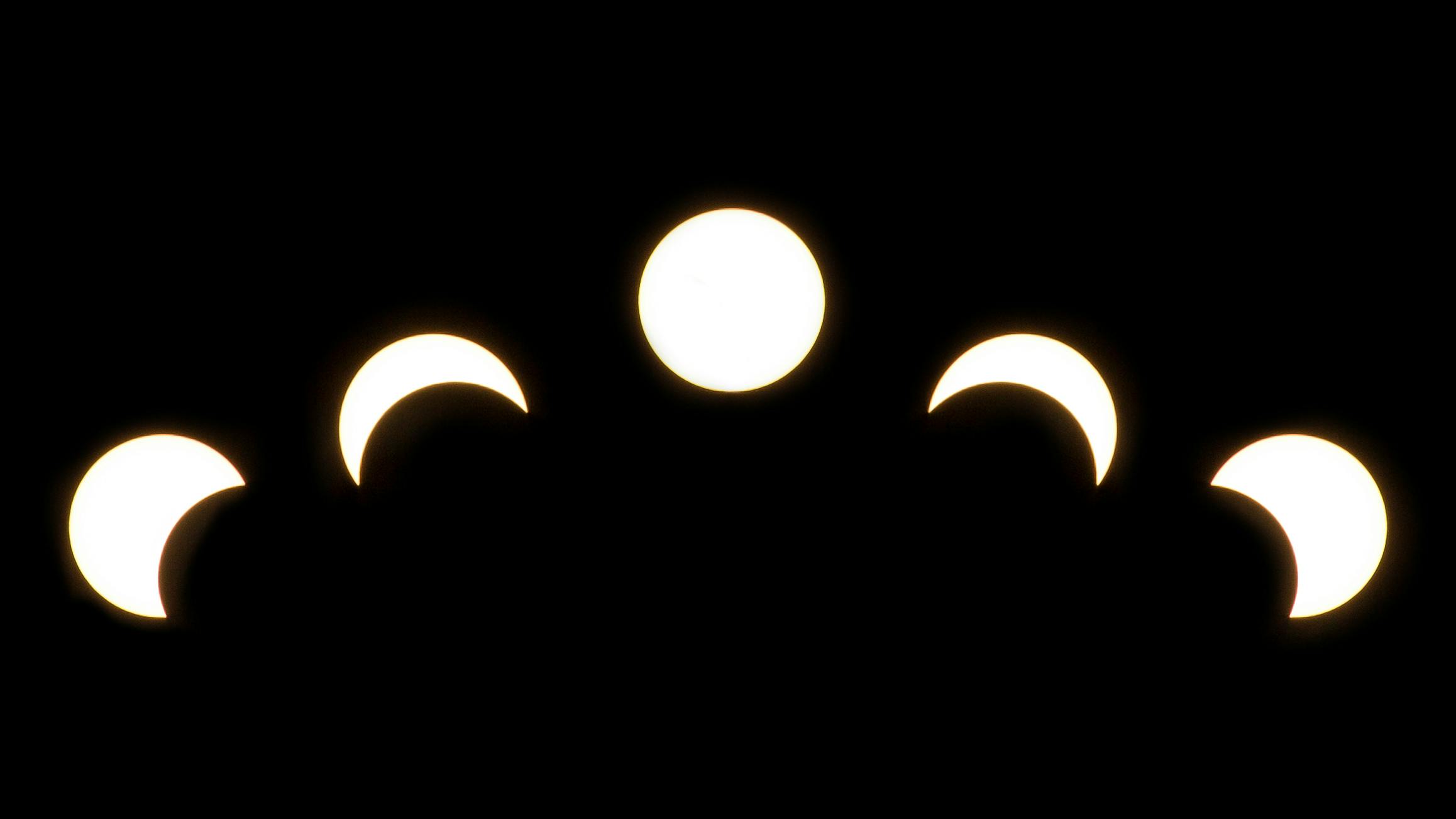
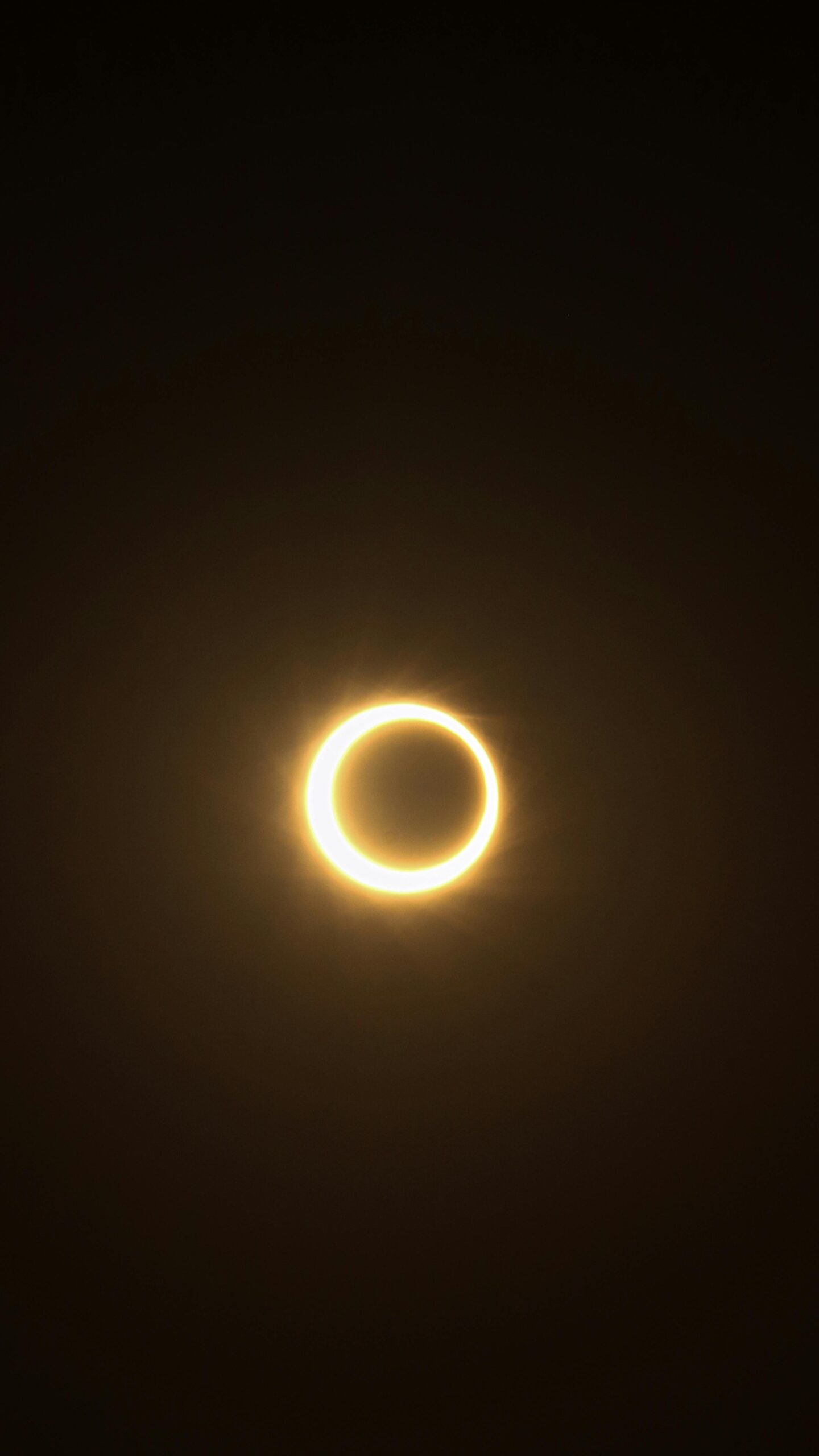
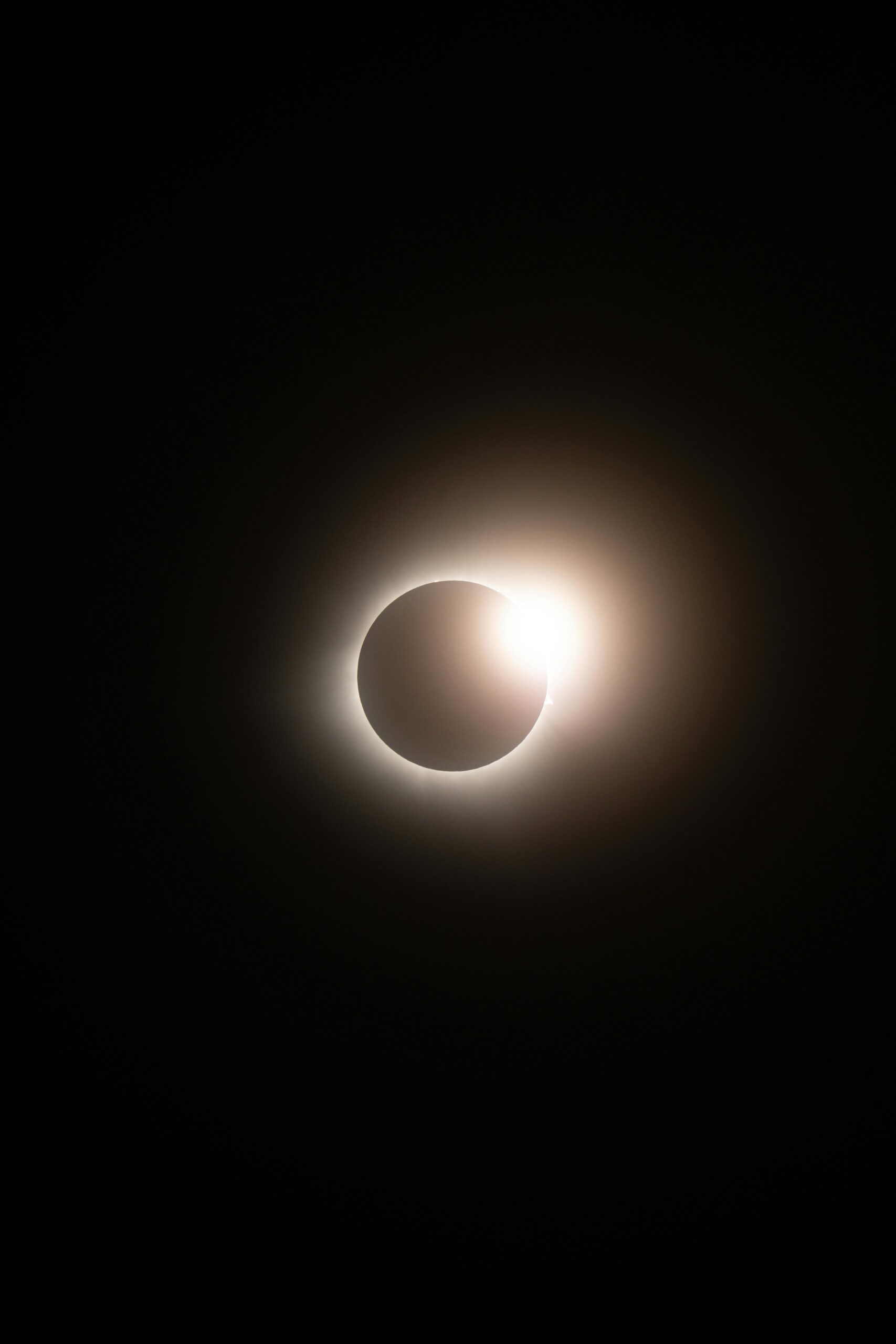
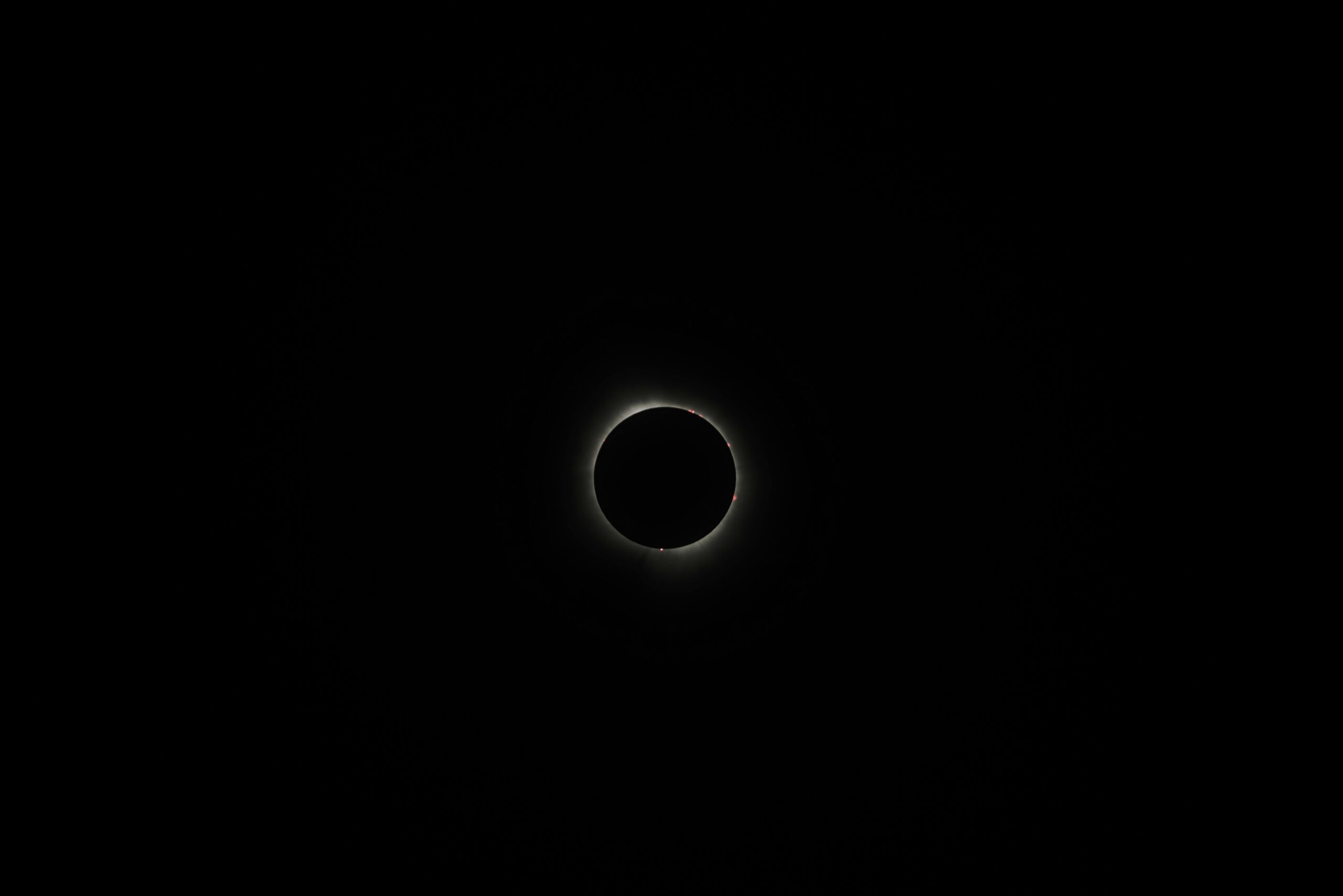
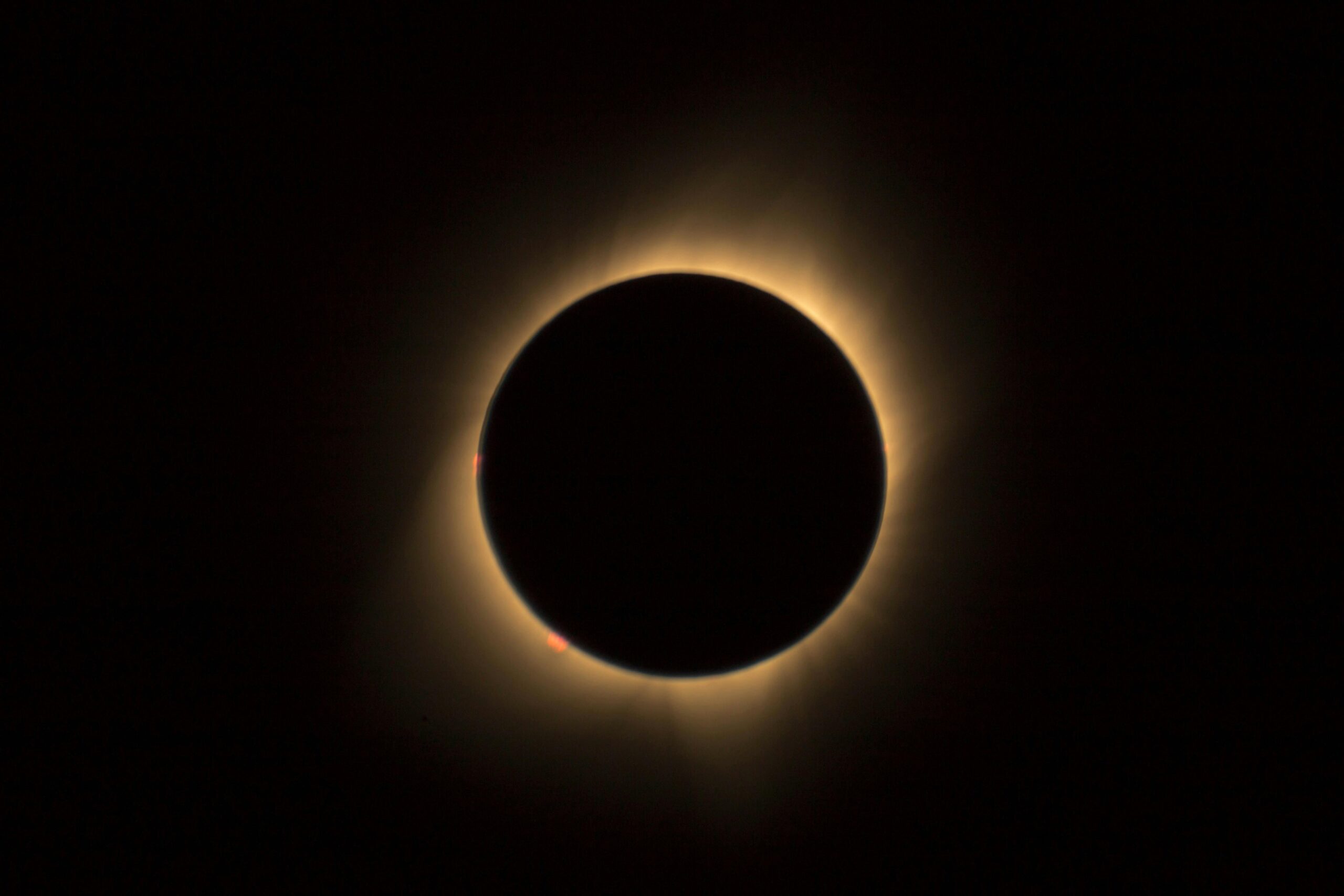
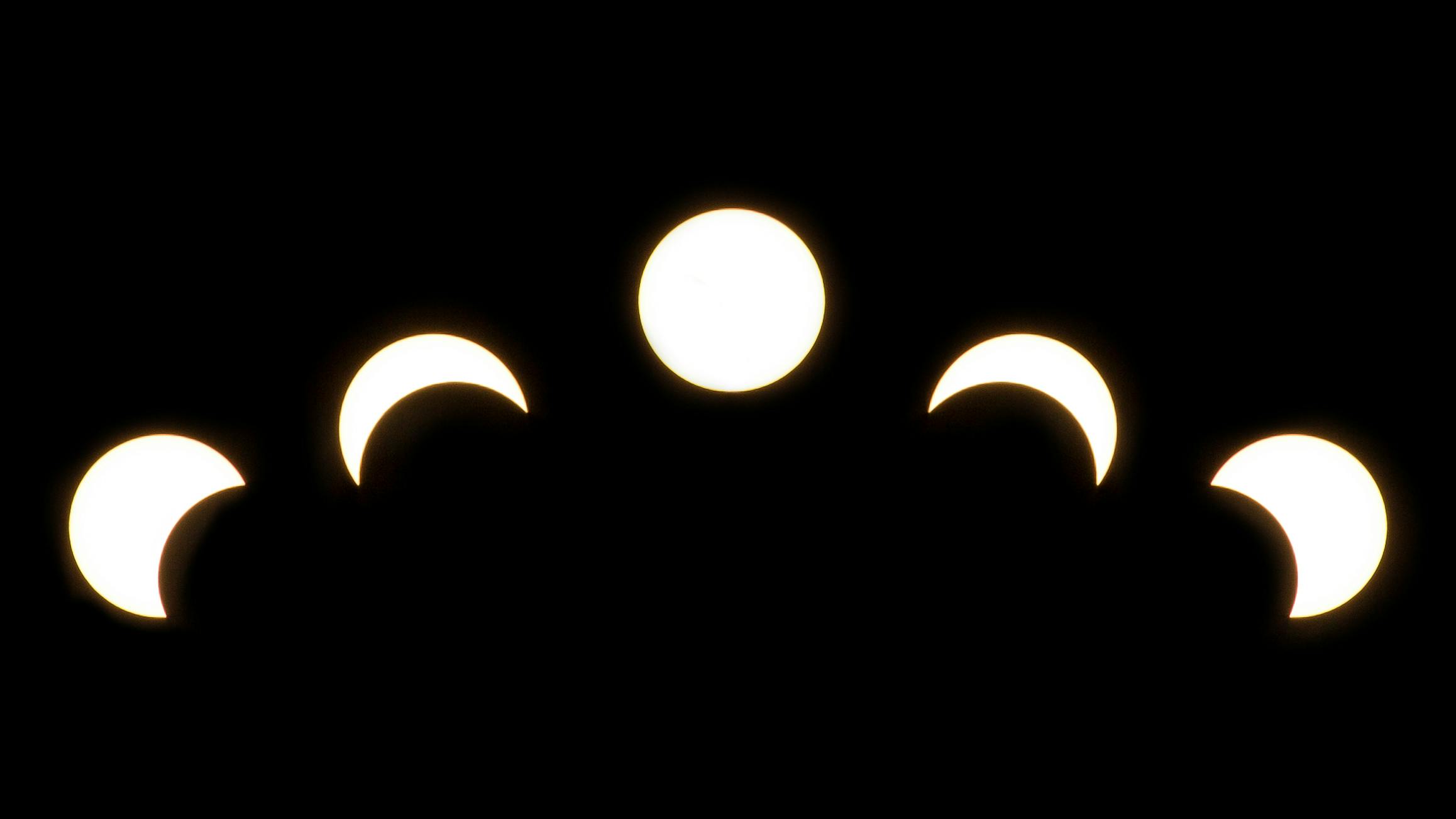
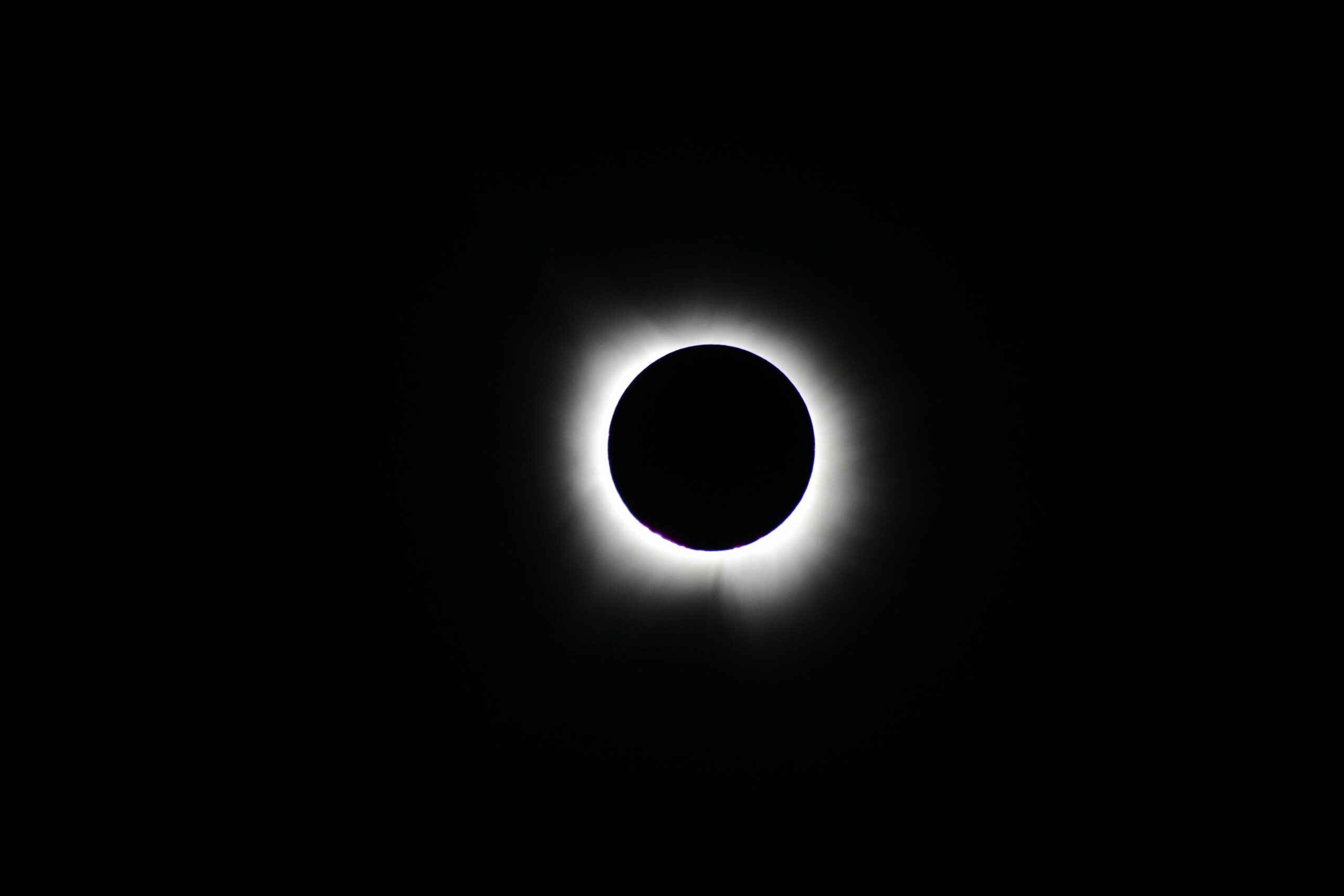
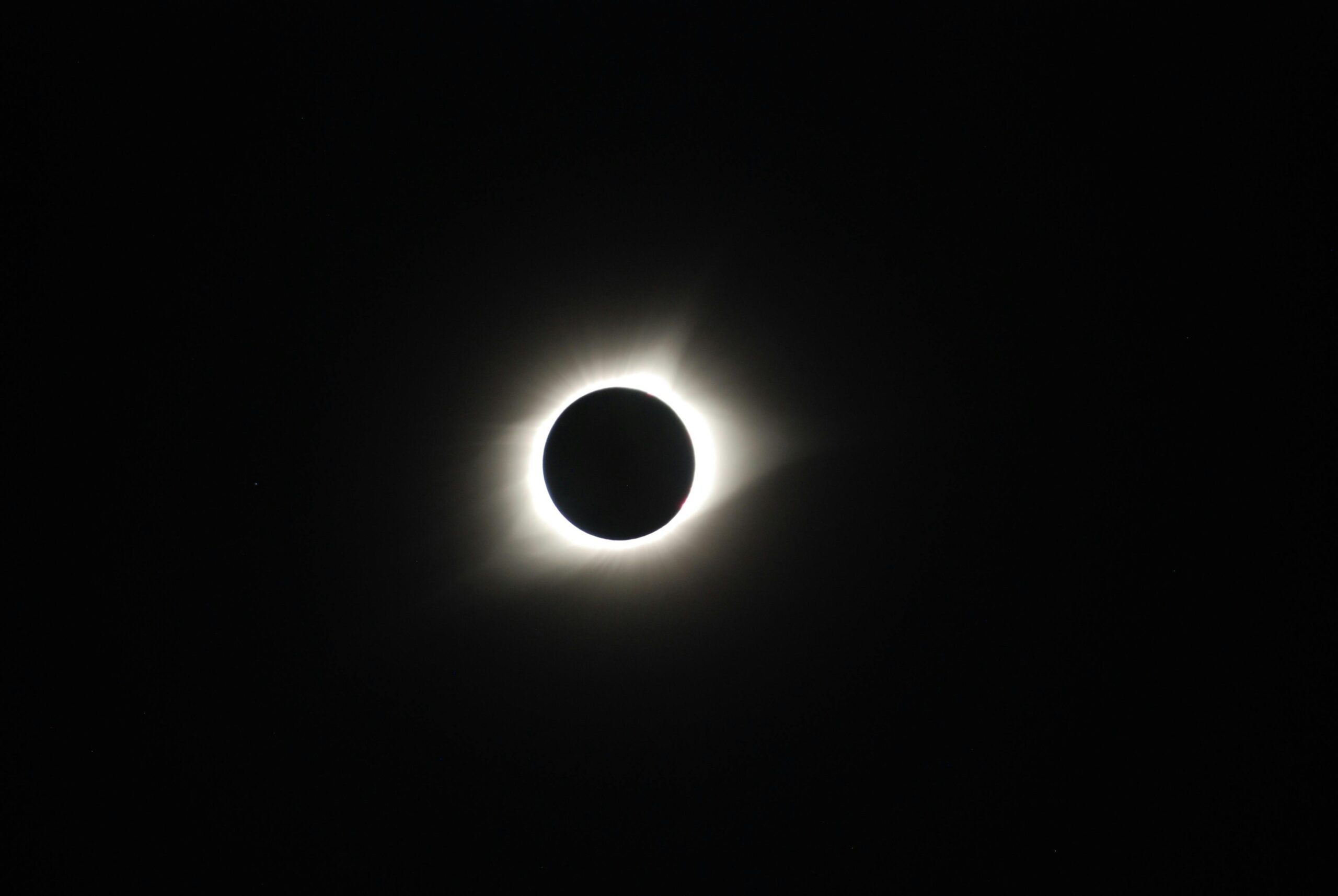
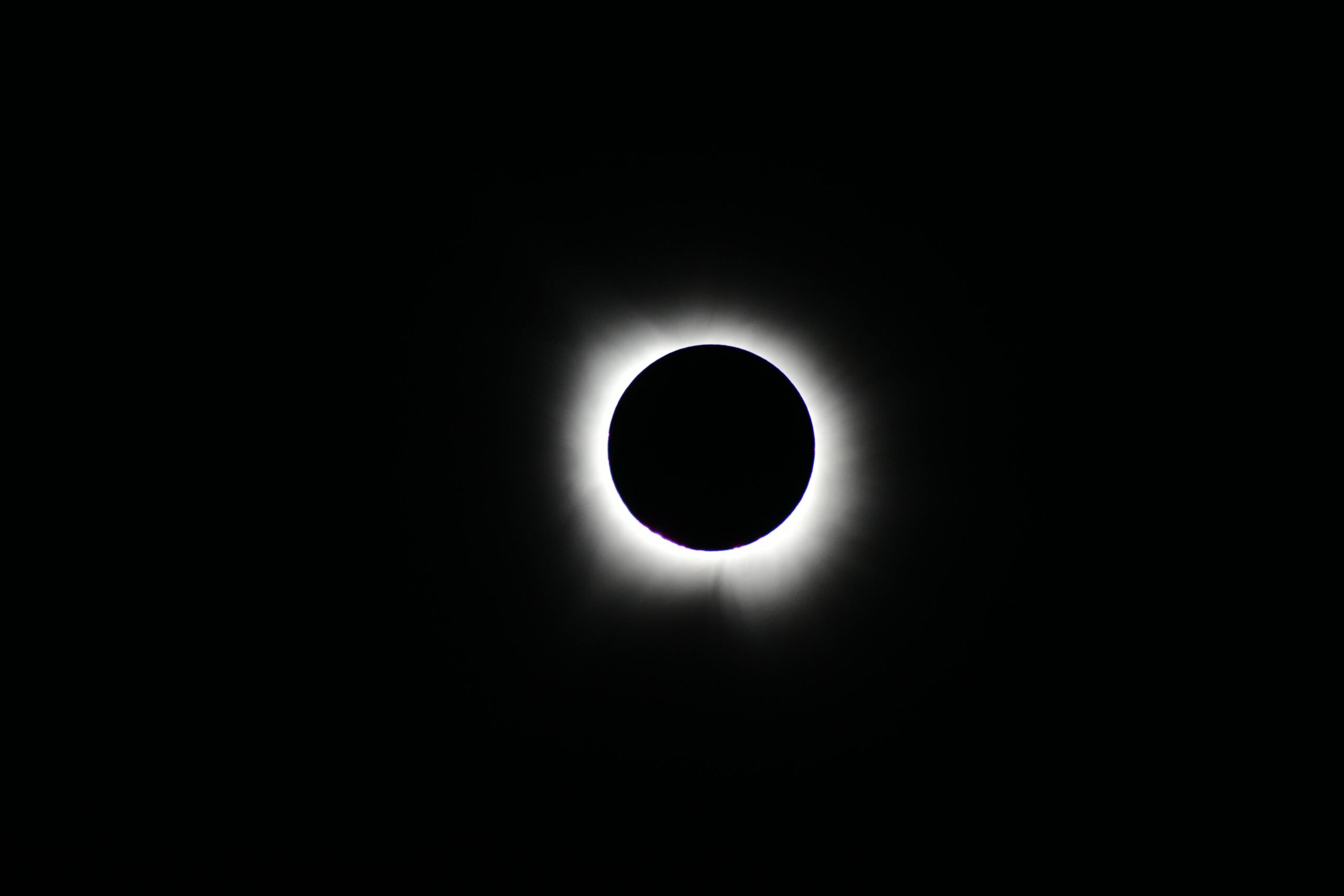
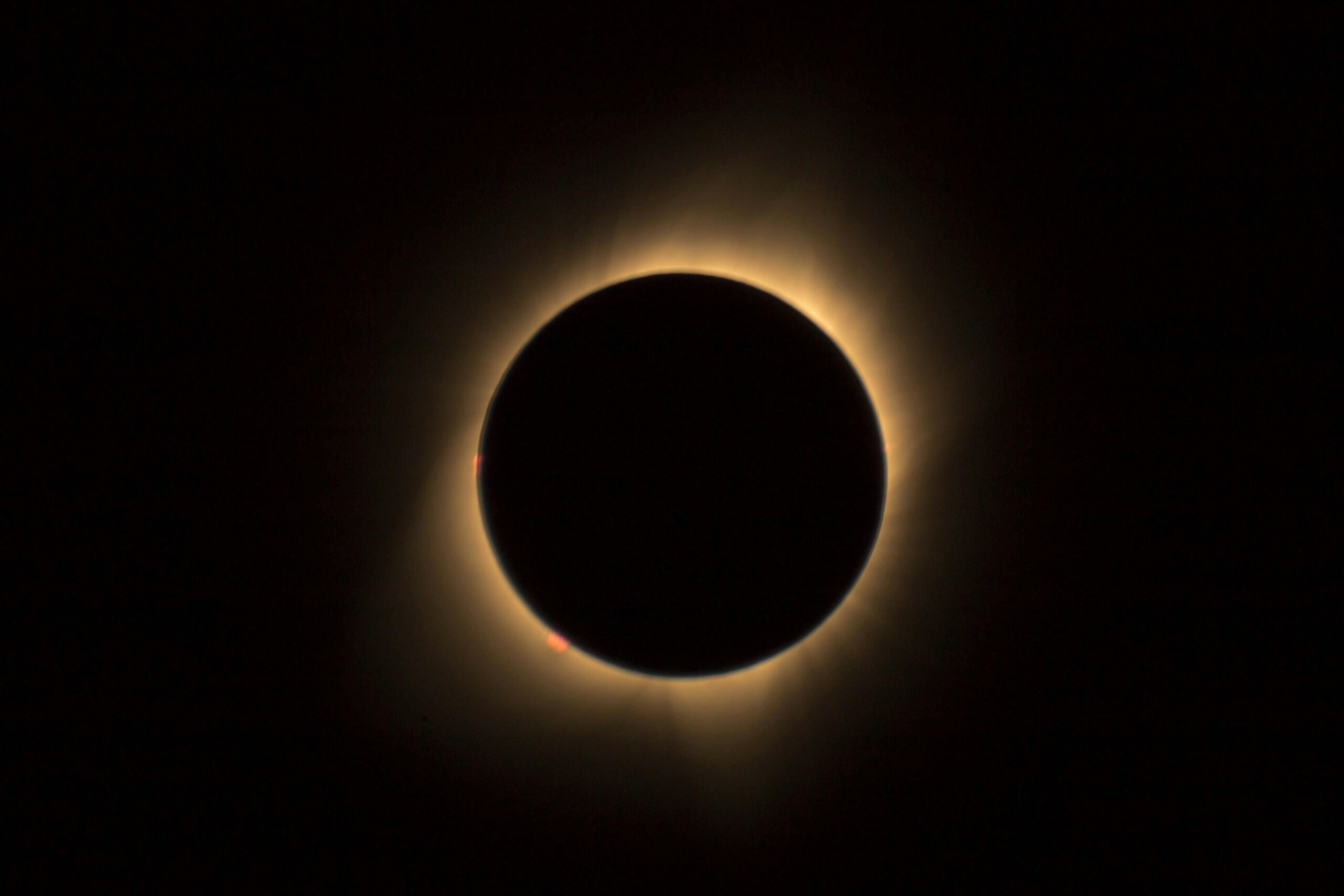
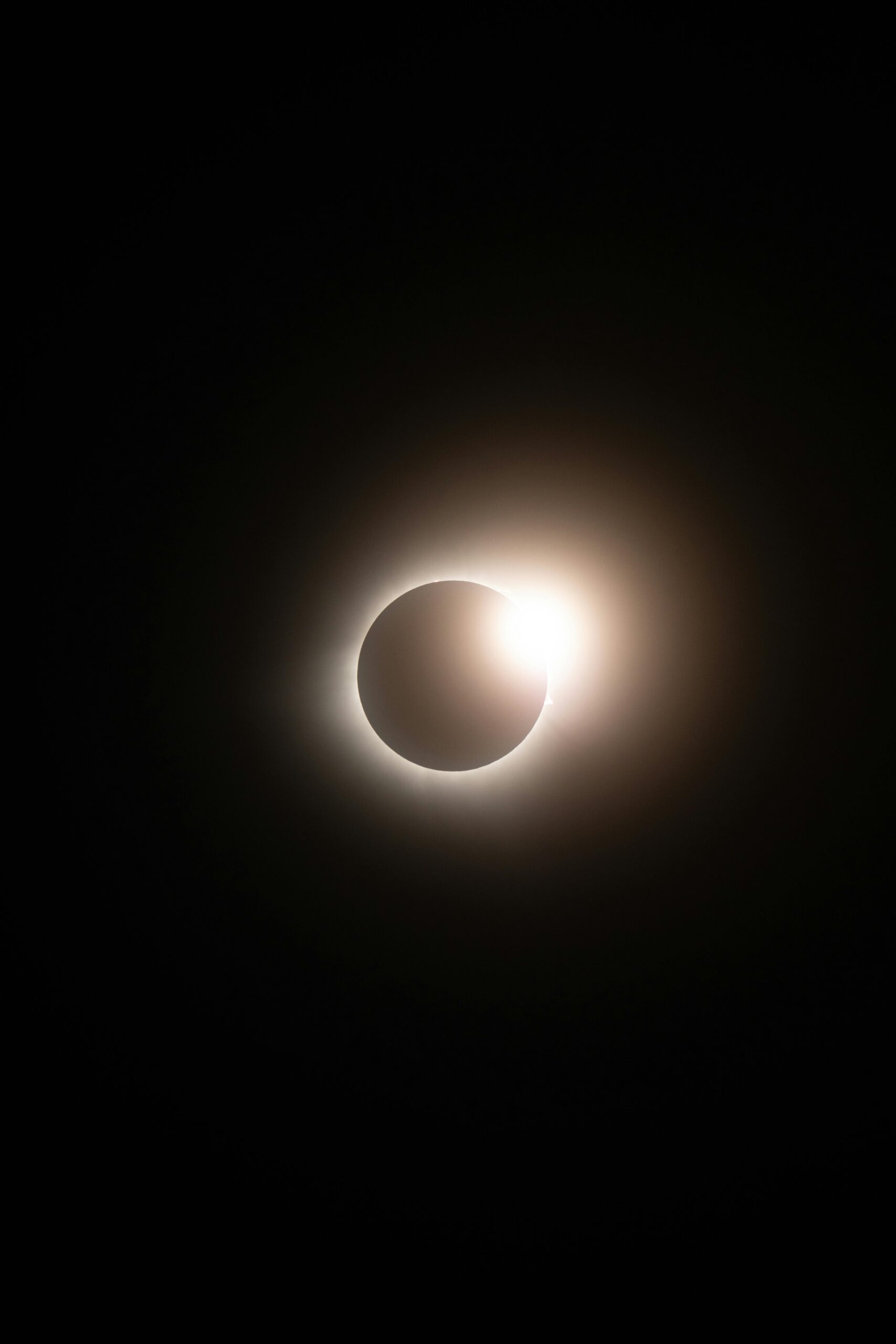
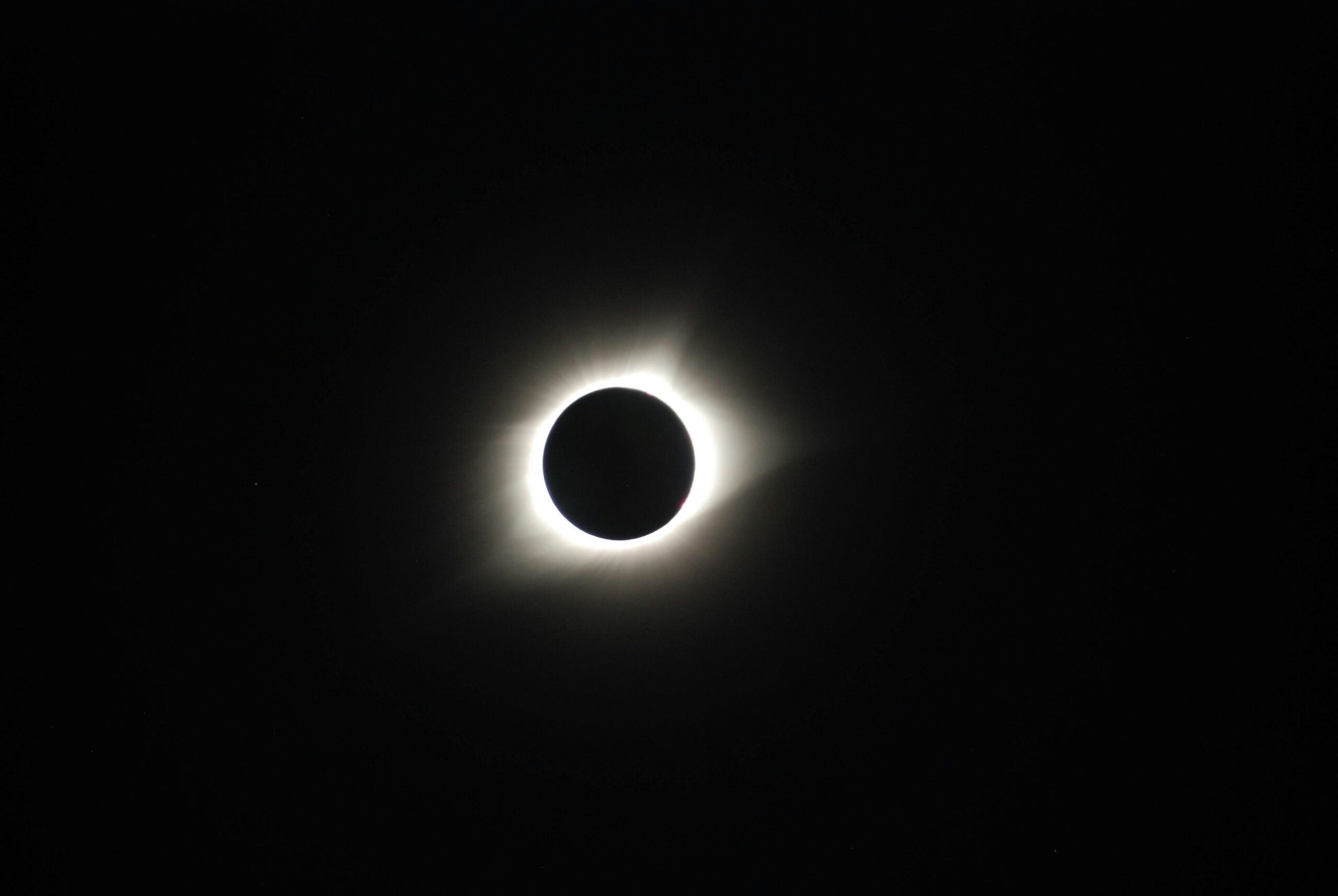
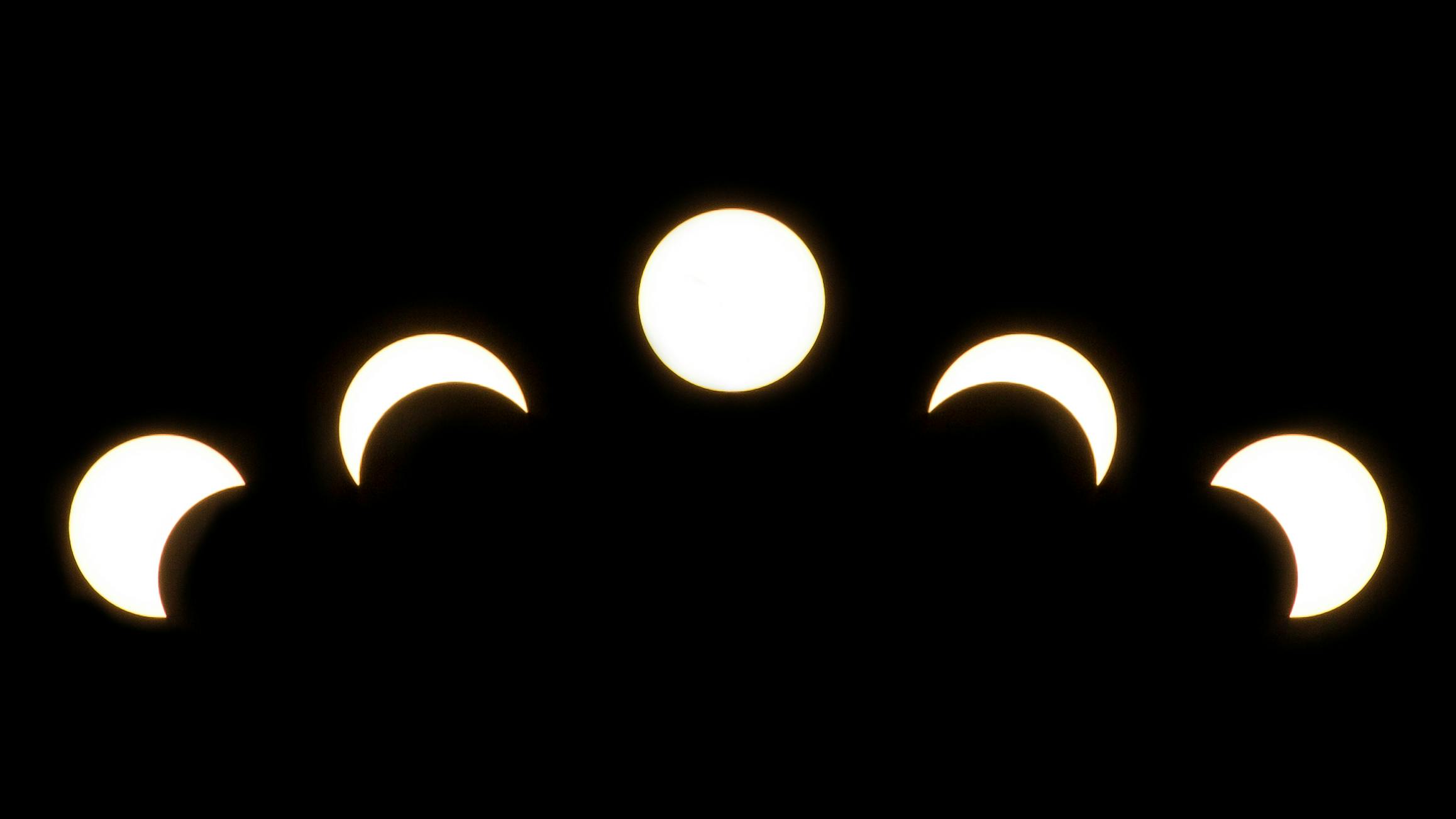
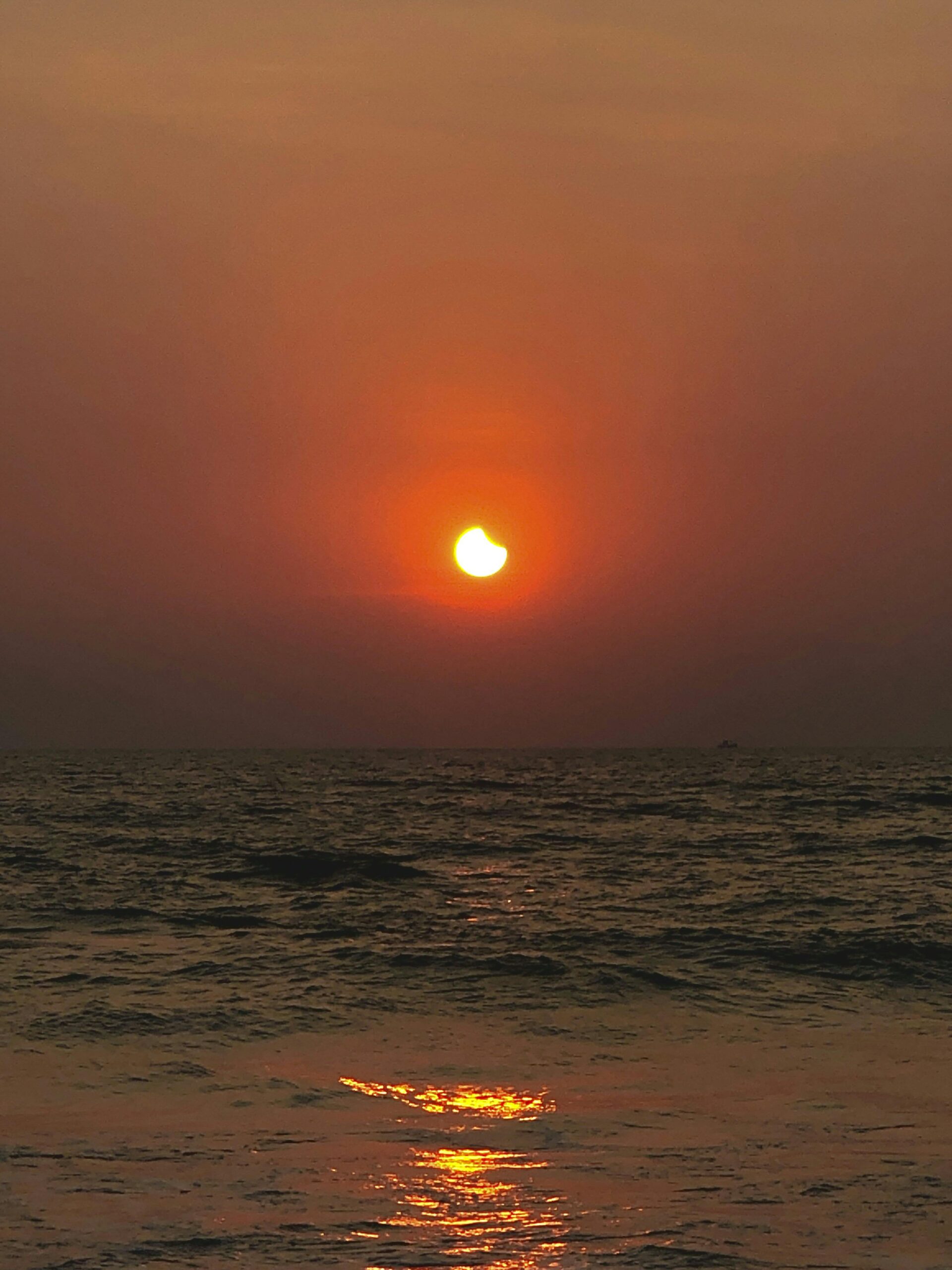
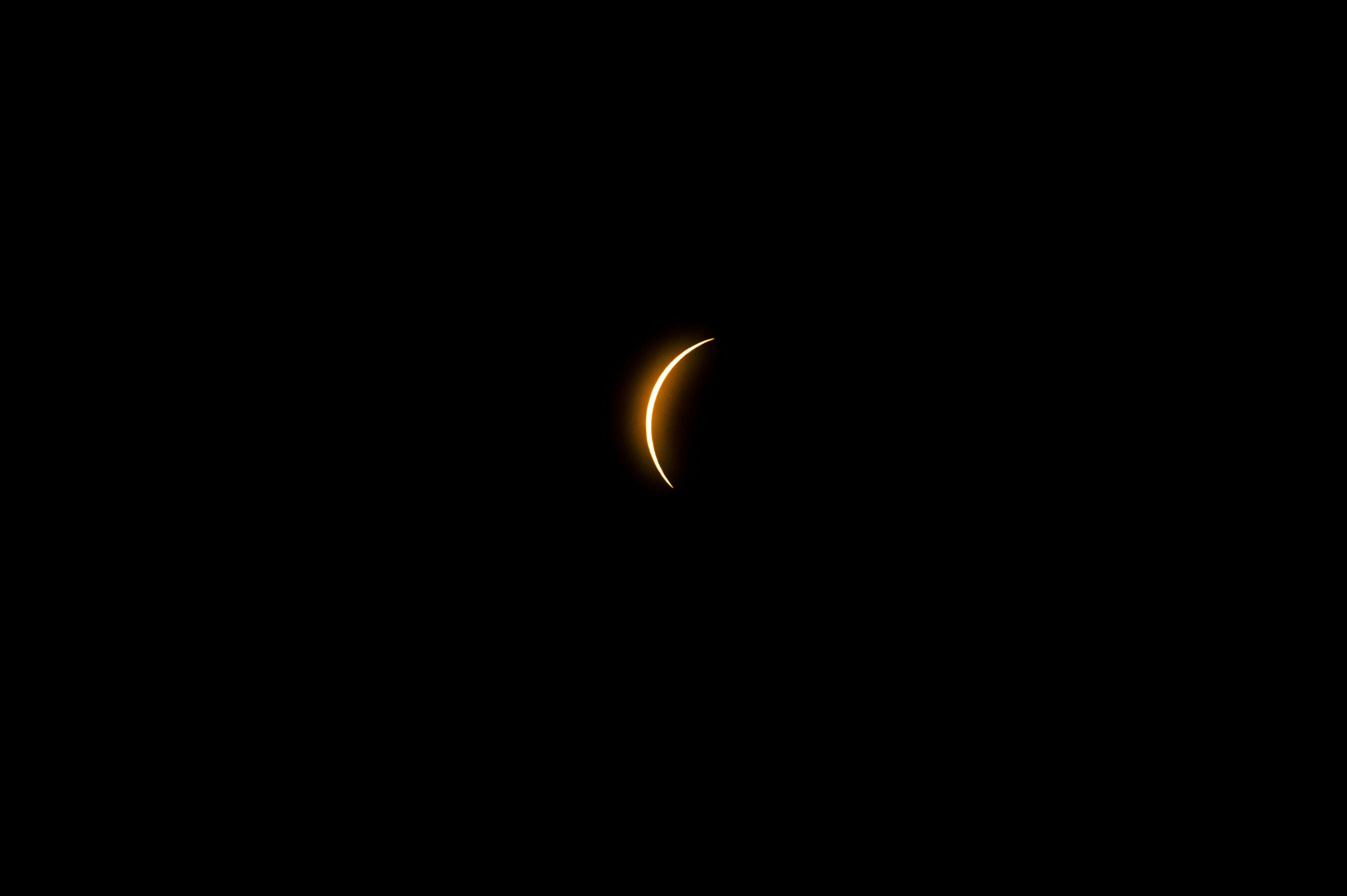
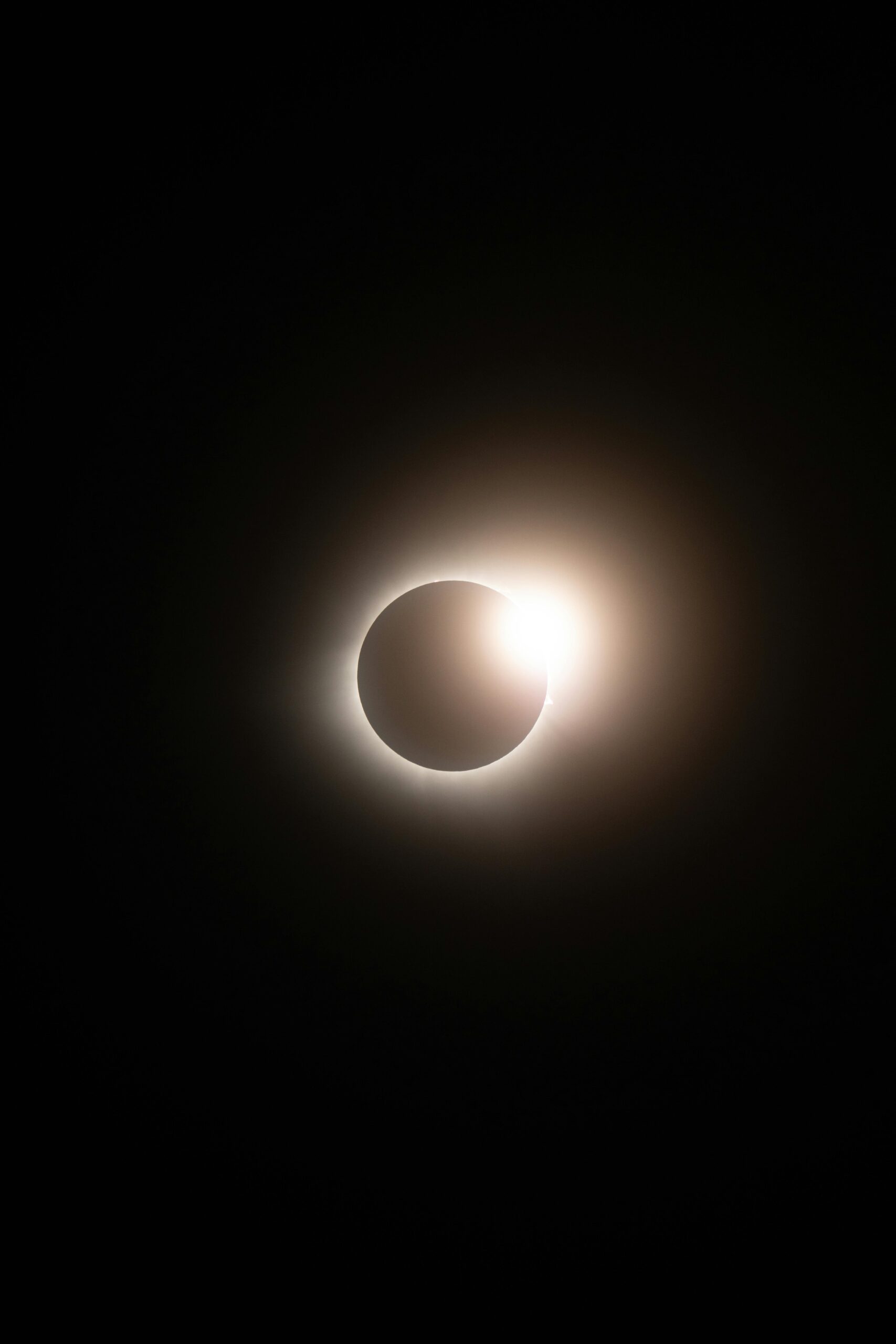
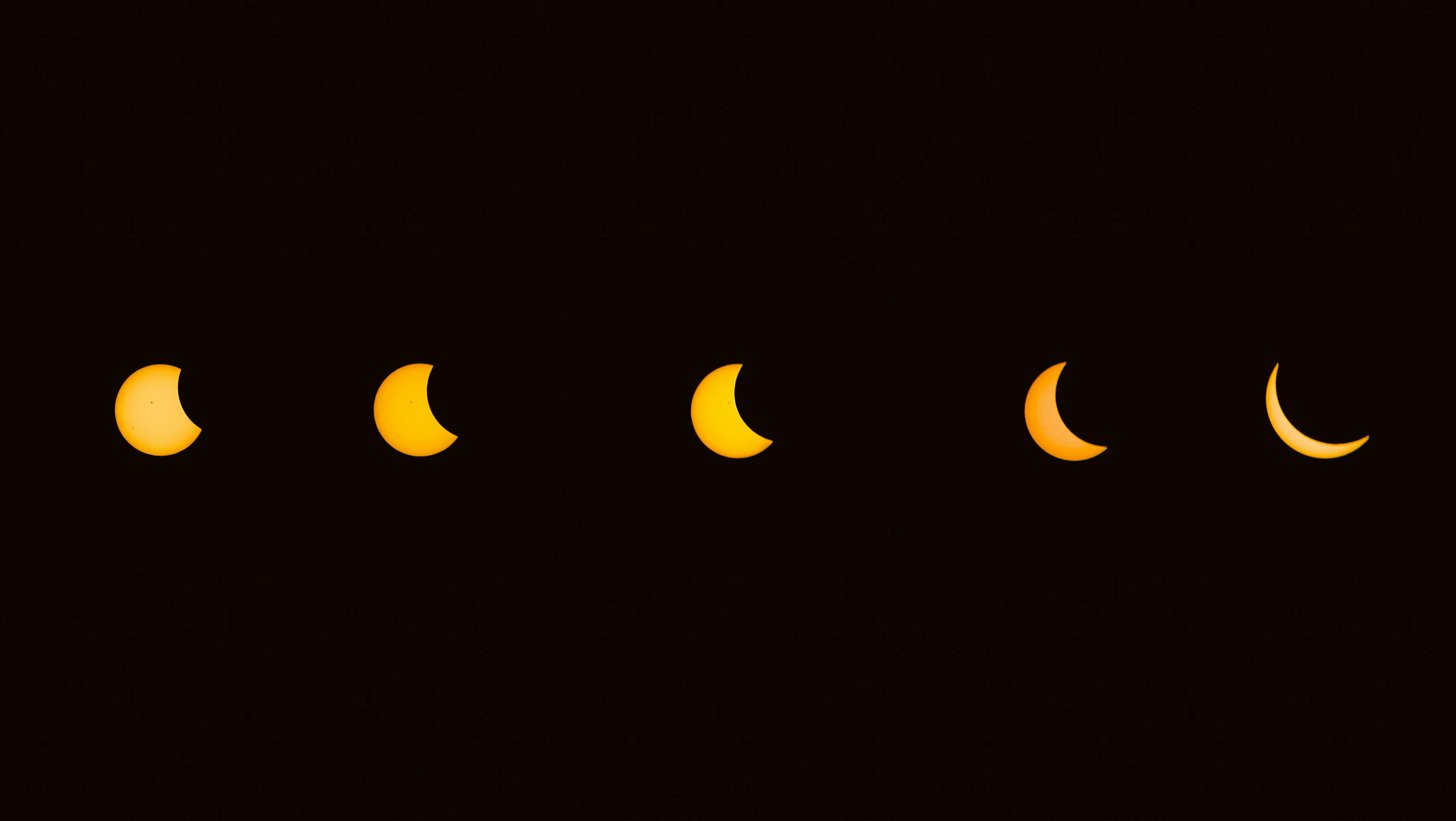
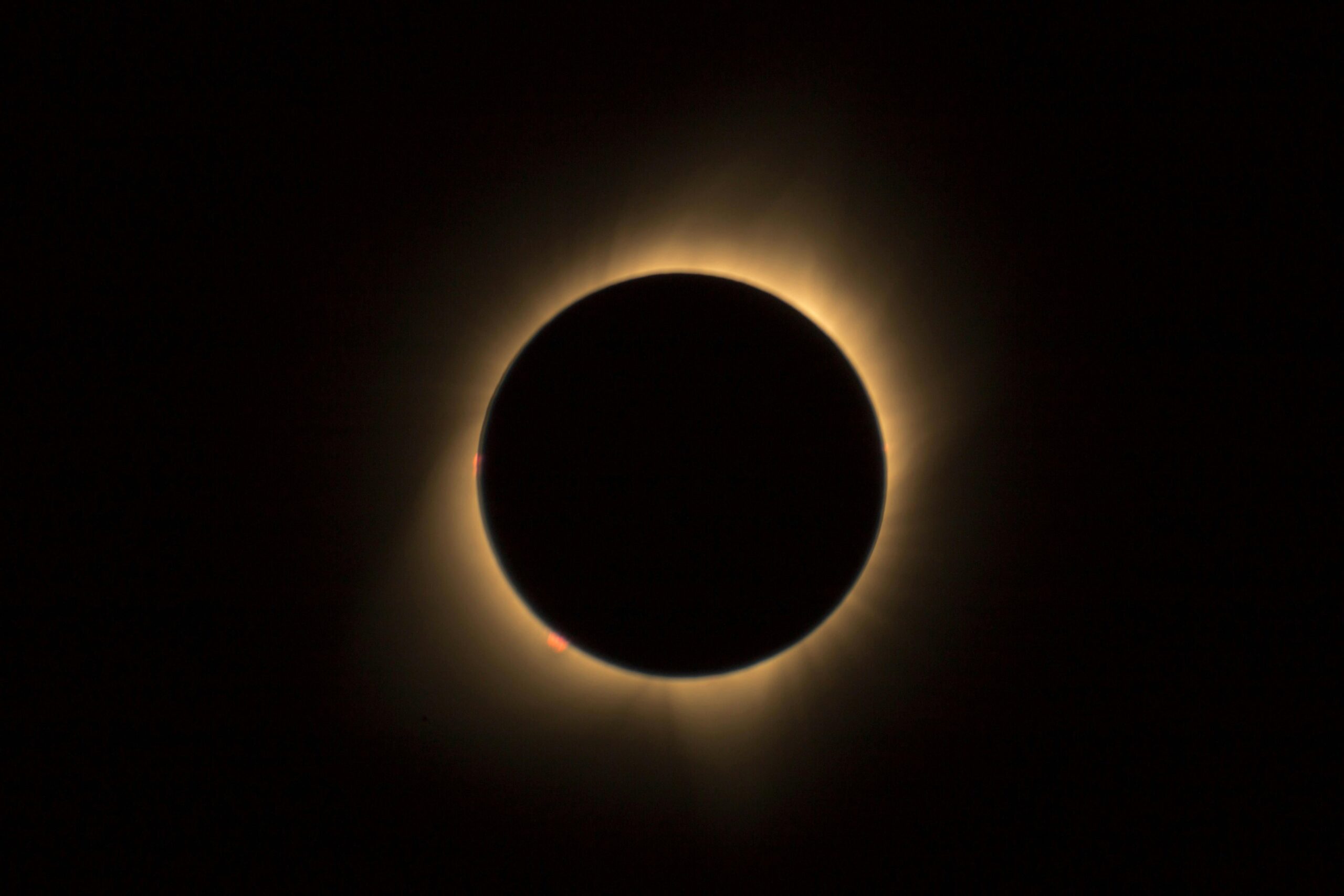
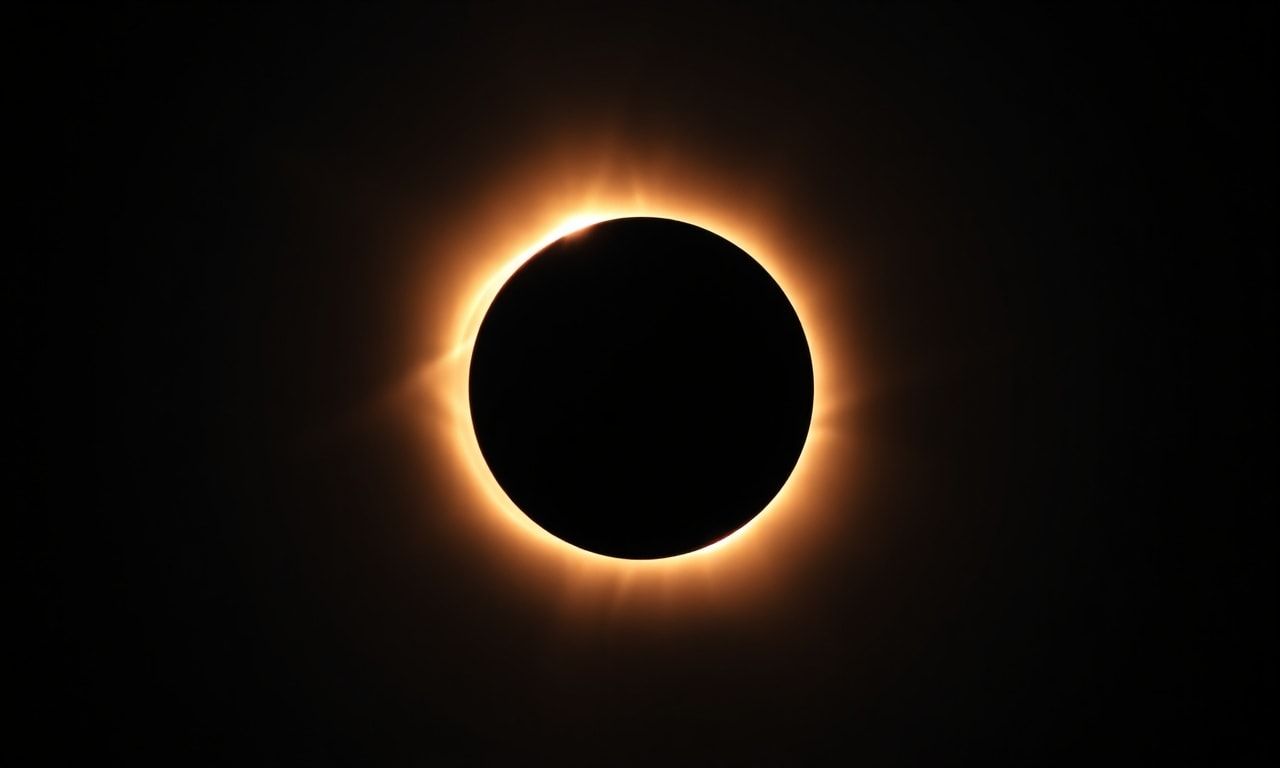
A solar eclipse occurs when the Moon passes between the Earth and the Sun, casting a shadow on the Earth’s surface. This alignment can result in either a total, partial, or annular eclipse. In the case of the upcoming eclipse, it will be an annular eclipse, where the Moon is too far from the Earth to completely cover the Sun, resulting in a ‘ring of fire’ effect around the Moon.
The Path of the Eclipse
The path of the eclipse will traverse through several countries, beginning in the Pacific Ocean and moving eastward through the Americas. Key cities such as Eugene, Oregon; Albuquerque, New Mexico; and Mazatlán, Mexico, will experience the full annular eclipse. The duration of the eclipse will vary depending on the location, with some areas experiencing up to five minutes of totality.
Preparing for the Eclipse
For those planning to view the eclipse, preparation is key. Safety should be the top priority, as looking directly at the Sun can cause severe eye damage. Special eclipse glasses that meet the ISO 12312-2 international safety standard are essential. Additionally, using a solar filter on telescopes or binoculars is crucial for safe viewing.
In addition to safety gear, enthusiasts should also consider the weather conditions. Clear skies are necessary for optimal viewing, so checking the weather forecast in advance is advisable. Many communities along the path of the eclipse are organizing viewing parties and educational events, providing a great opportunity for both learning and socializing.
Cultural and Historical Significance
Solar eclipses have captivated human imagination for centuries, often holding significant cultural and historical importance. Ancient civilizations interpreted eclipses as omens or signs from the gods. For instance, in Chinese culture, eclipses were believed to be caused by a celestial dragon devouring the Sun. Today, eclipses continue to inspire awe and wonder, drawing people from all walks of life to witness this natural spectacle.
Modern science has demystified eclipses, allowing us to predict their occurrence with remarkable accuracy. This knowledge has also paved the way for scientific discoveries. Eclipses provide unique opportunities for astronomers to study the Sun’s corona, solar flares, and other phenomena that are typically difficult to observe.
Community Events and Gatherings
Communities along the path of the eclipse are gearing up for the event with a variety of activities. From educational workshops to public viewing parties, there are numerous ways to engage with the eclipse. For example, in Helsinki, the local community is organizing a series of events at the city hall, as reported by helsingin uutiset kaupungintalon tapahtumat tänään iltaisin. These events aim to educate the public about the science behind eclipses and provide a safe and enjoyable viewing experience.
Tips for Photographing the Eclipse
For photography enthusiasts, capturing the eclipse can be a rewarding challenge. Here are some tips to ensure you get the best shots:
- Use a Solar Filter: Just as with viewing, a solar filter is essential for protecting your camera lens. Never point your camera directly at the Sun without a filter.
- Use a Tripod: A stable tripod will help you capture clear, sharp images, especially during the longer exposures needed for eclipse photography.
- Practice Beforehand: Familiarize yourself with your camera settings and practice taking photos of the Sun before the eclipse. This will help you adjust quickly during the event.
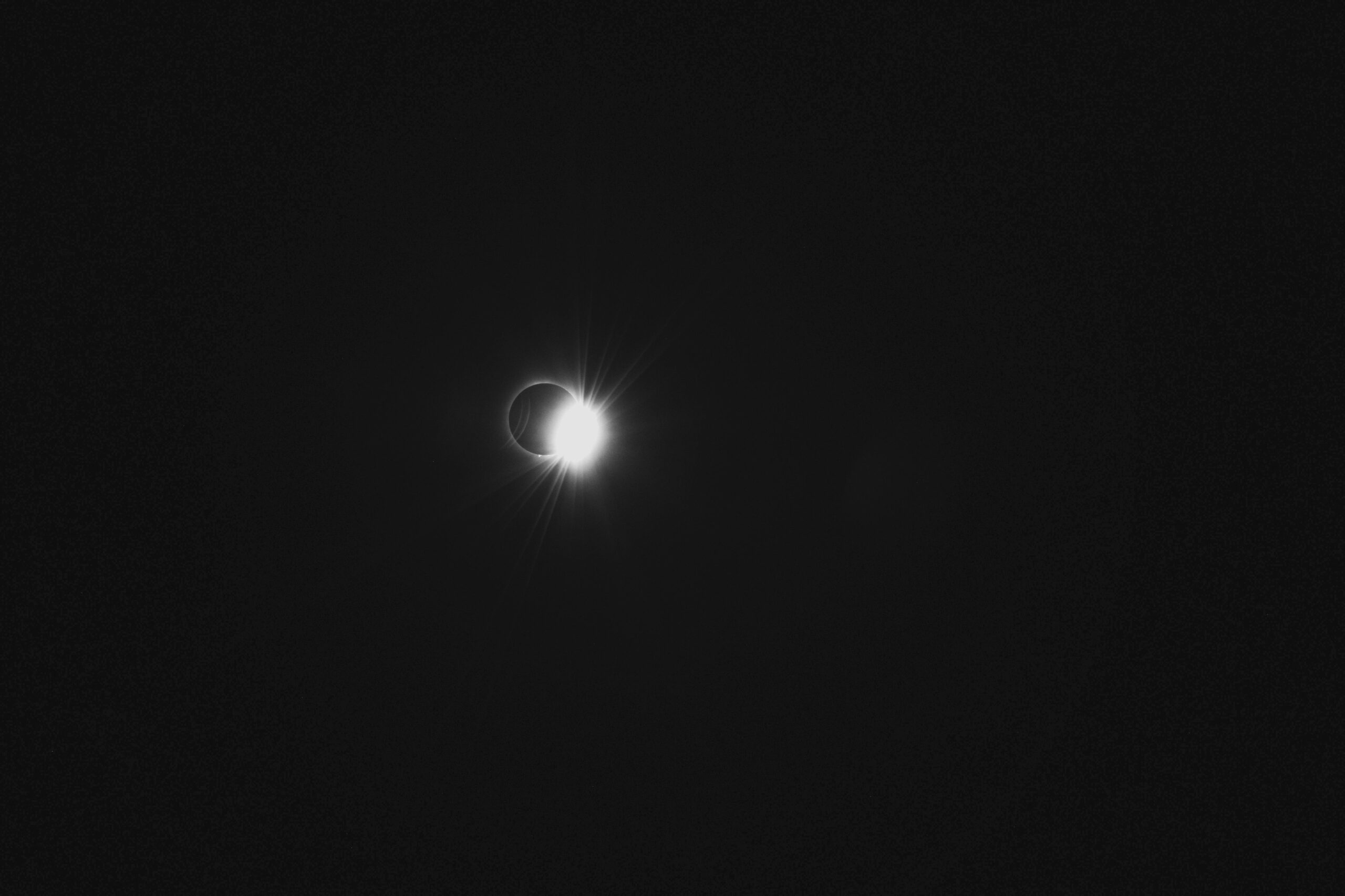
- Experiment with Different Settings: Try different exposure times and apertures to capture the various phases of the eclipse. The ‘ring of fire’ effect during an annular eclipse offers a unique opportunity for creative photography.
Conclusion
The solar eclipse of 2023 is a celestial event that promises to be both awe-inspiring and educational. Whether you are a seasoned astronomer or a curious observer, this rare phenomenon offers a chance to connect with the wonders of the universe. By preparing ahead of time and prioritizing safety, you can fully enjoy this spectacular display of nature’s beauty.
In light of recent discussions on societal well-being, our latest feature mental health and community ties offers a comprehensive look at the connections between individual wellness and communal involvement.
As cities worldwide grapple with sustainable growth, Helsinki’s urban development model offers a compelling case study in innovative city planning.
As global markets continue to evolve, understanding the latest trends is crucial for investors and industry professionals alike; recent insights on property markets offer a comprehensive overview of what to expect in 2023.