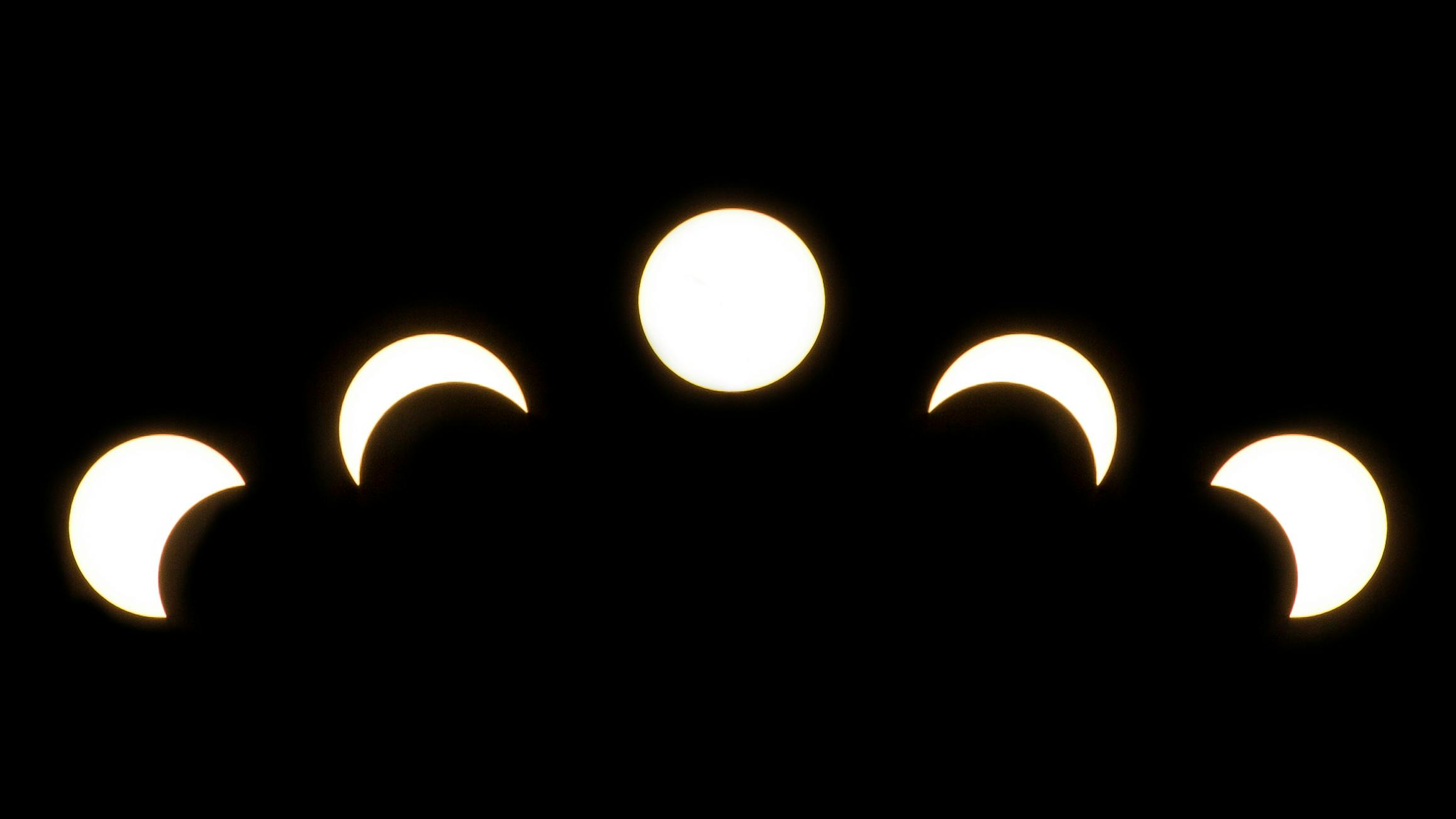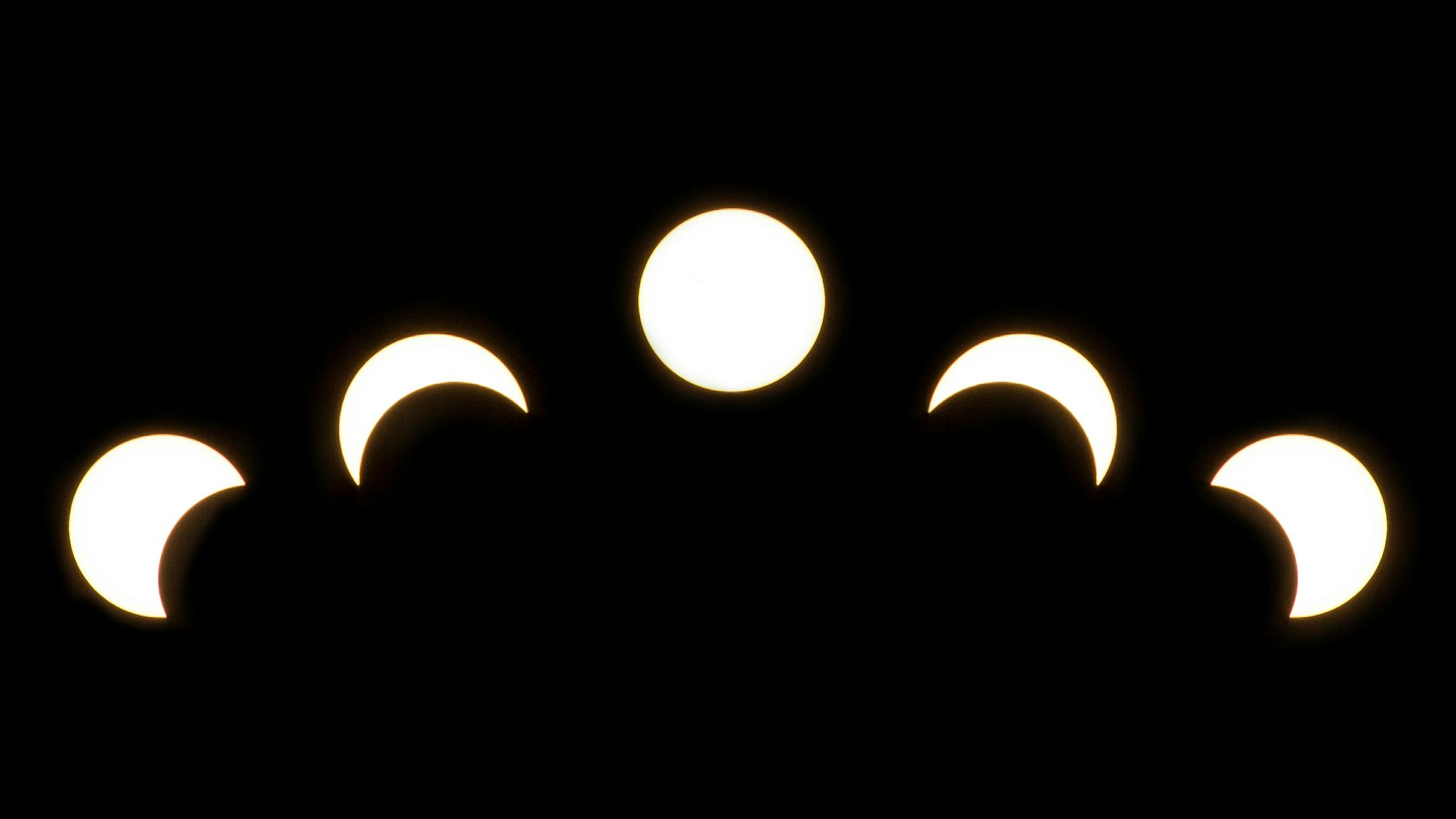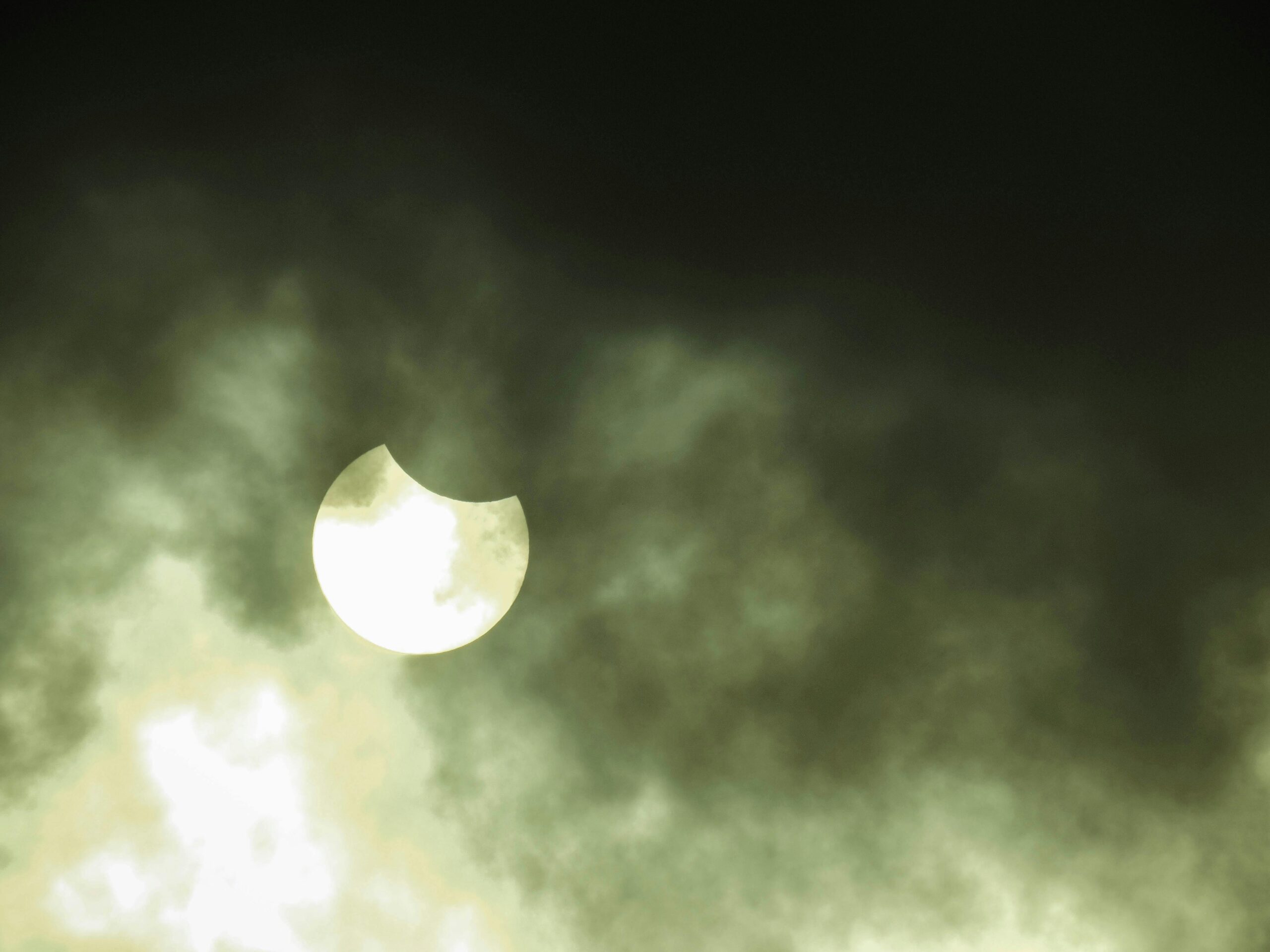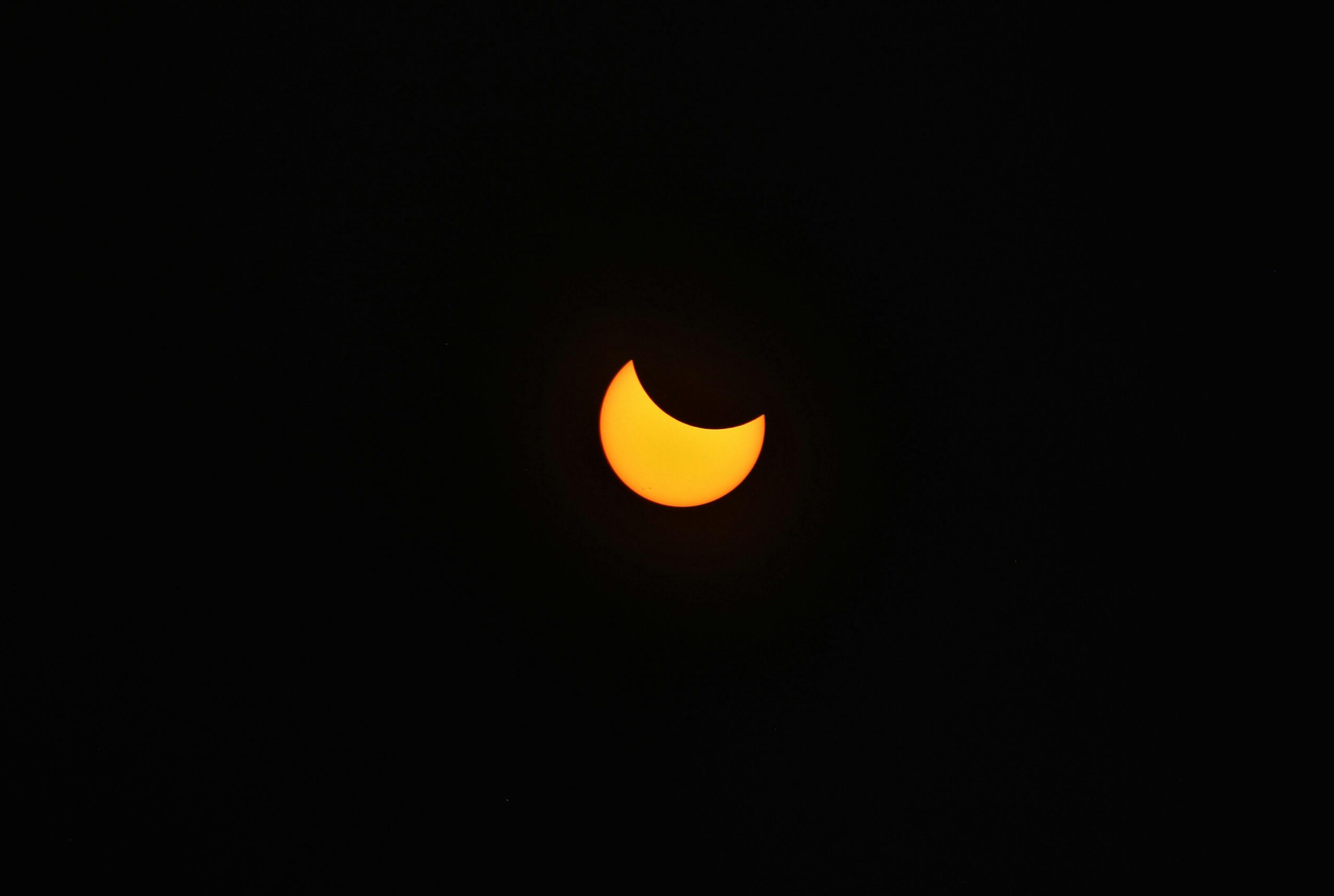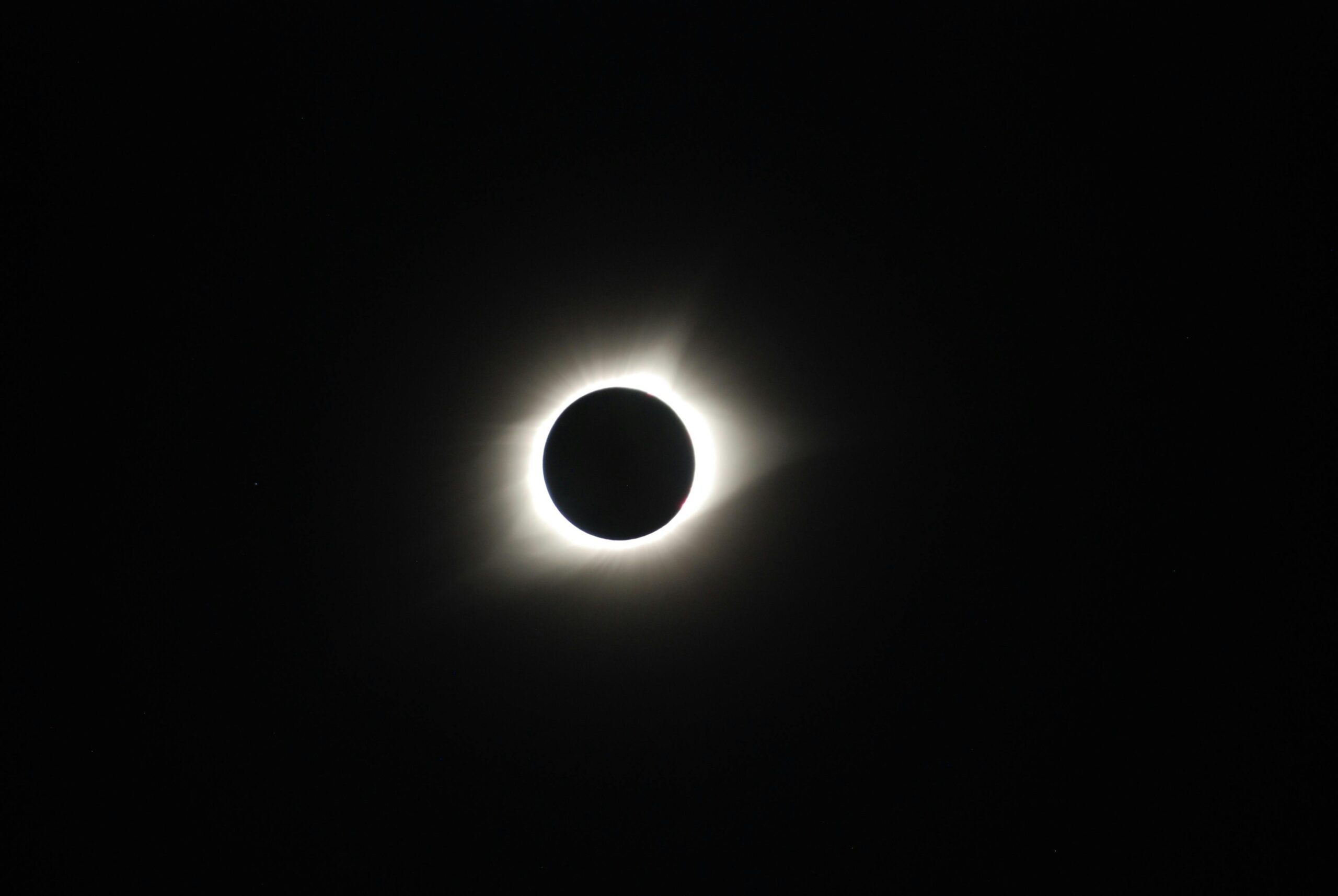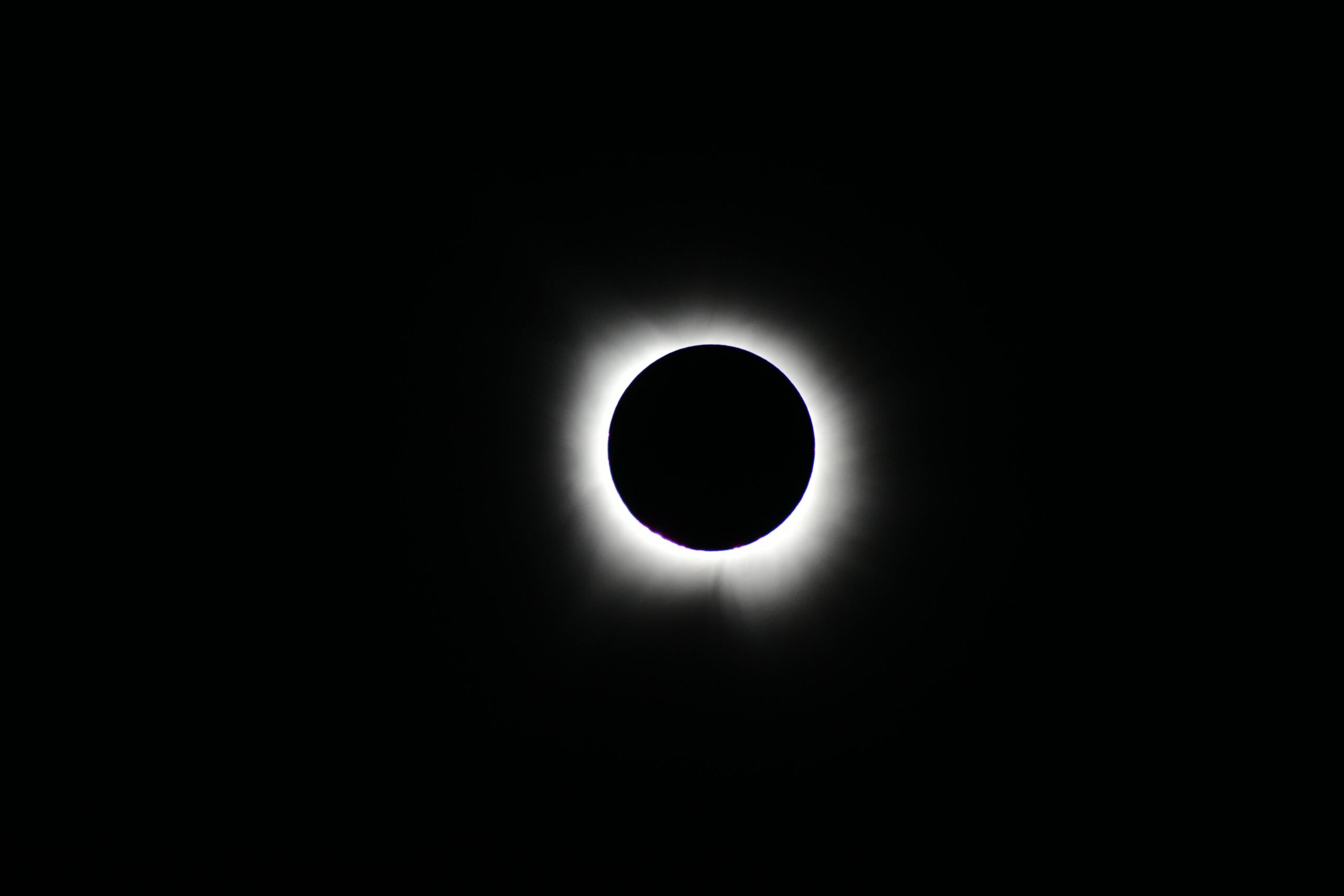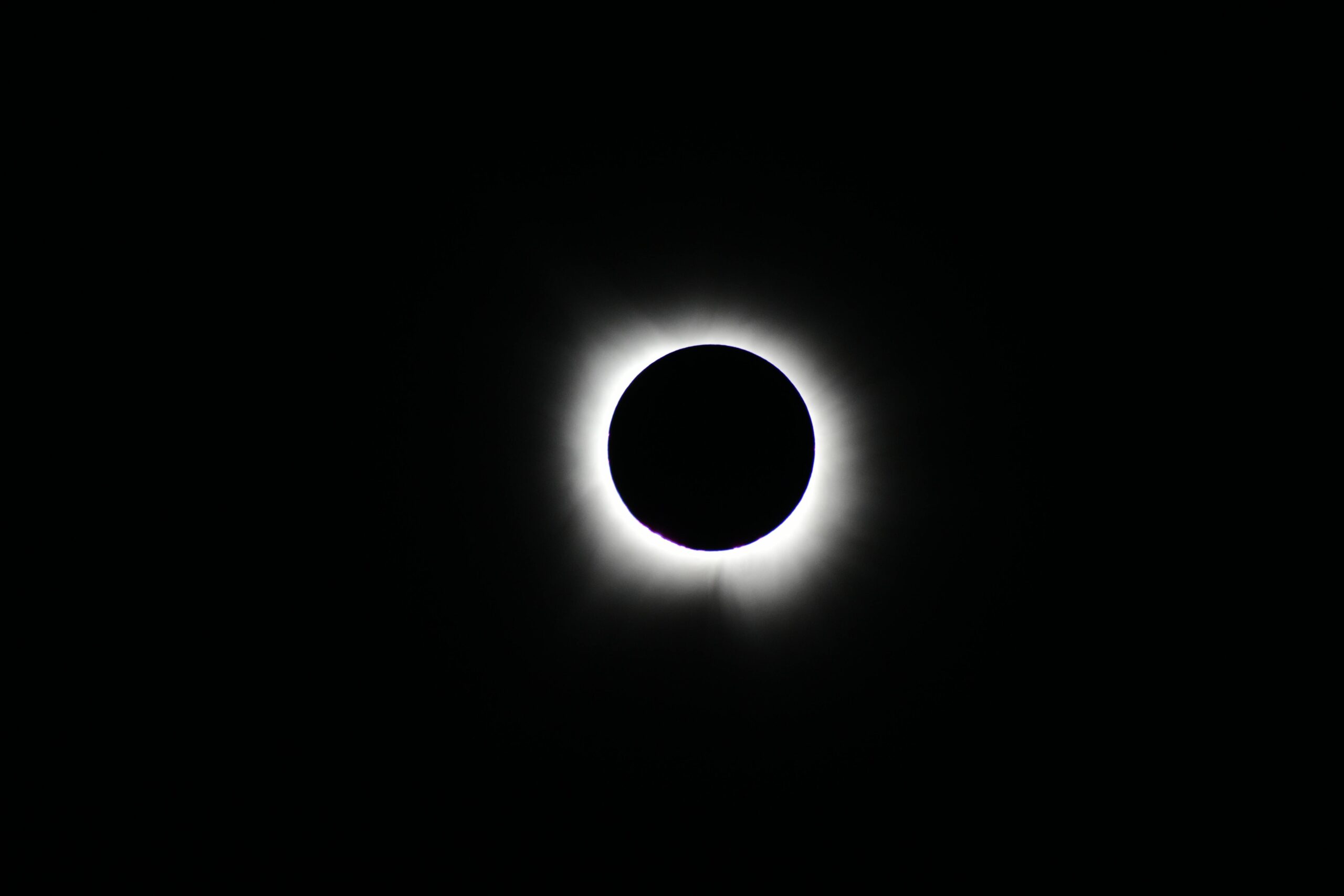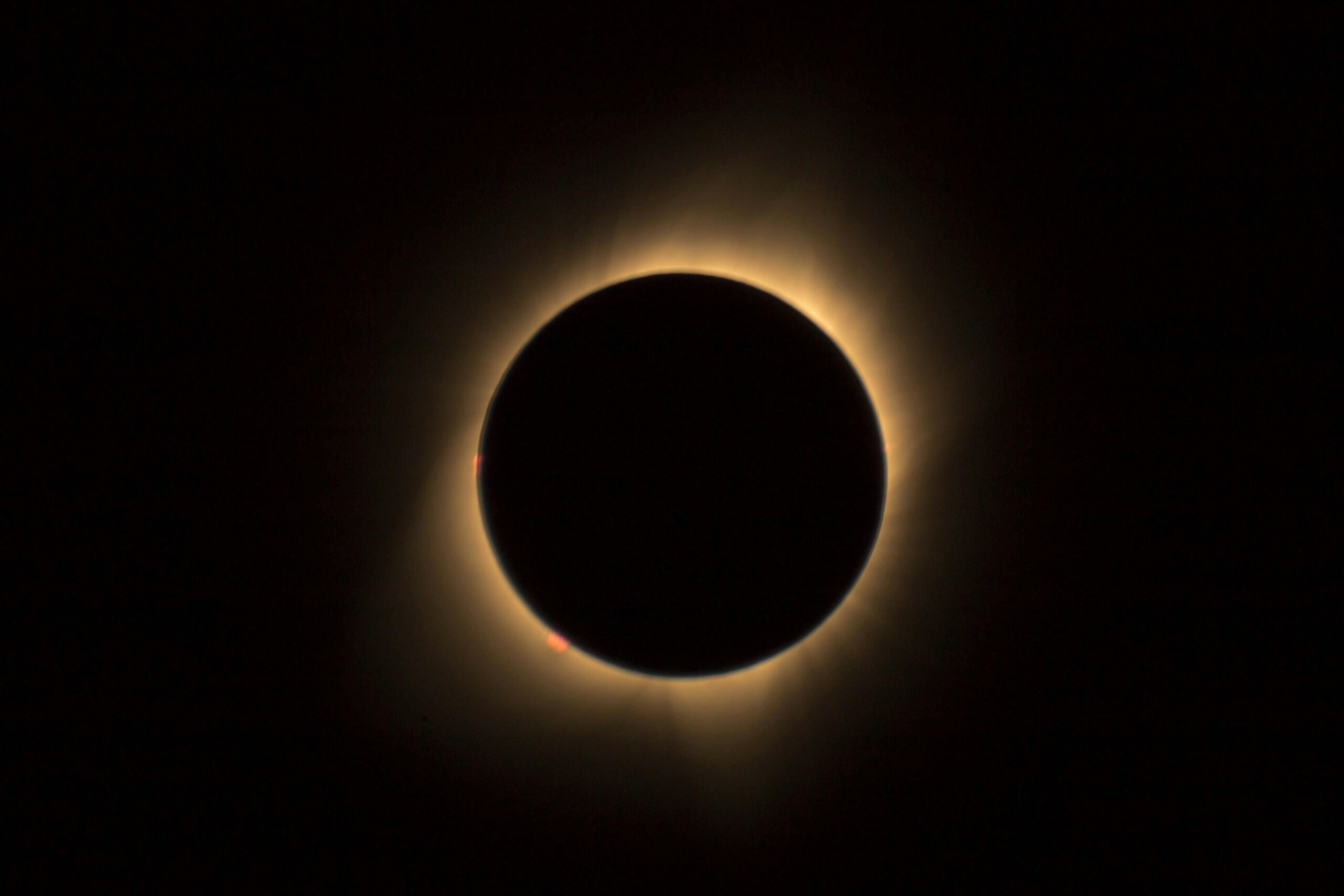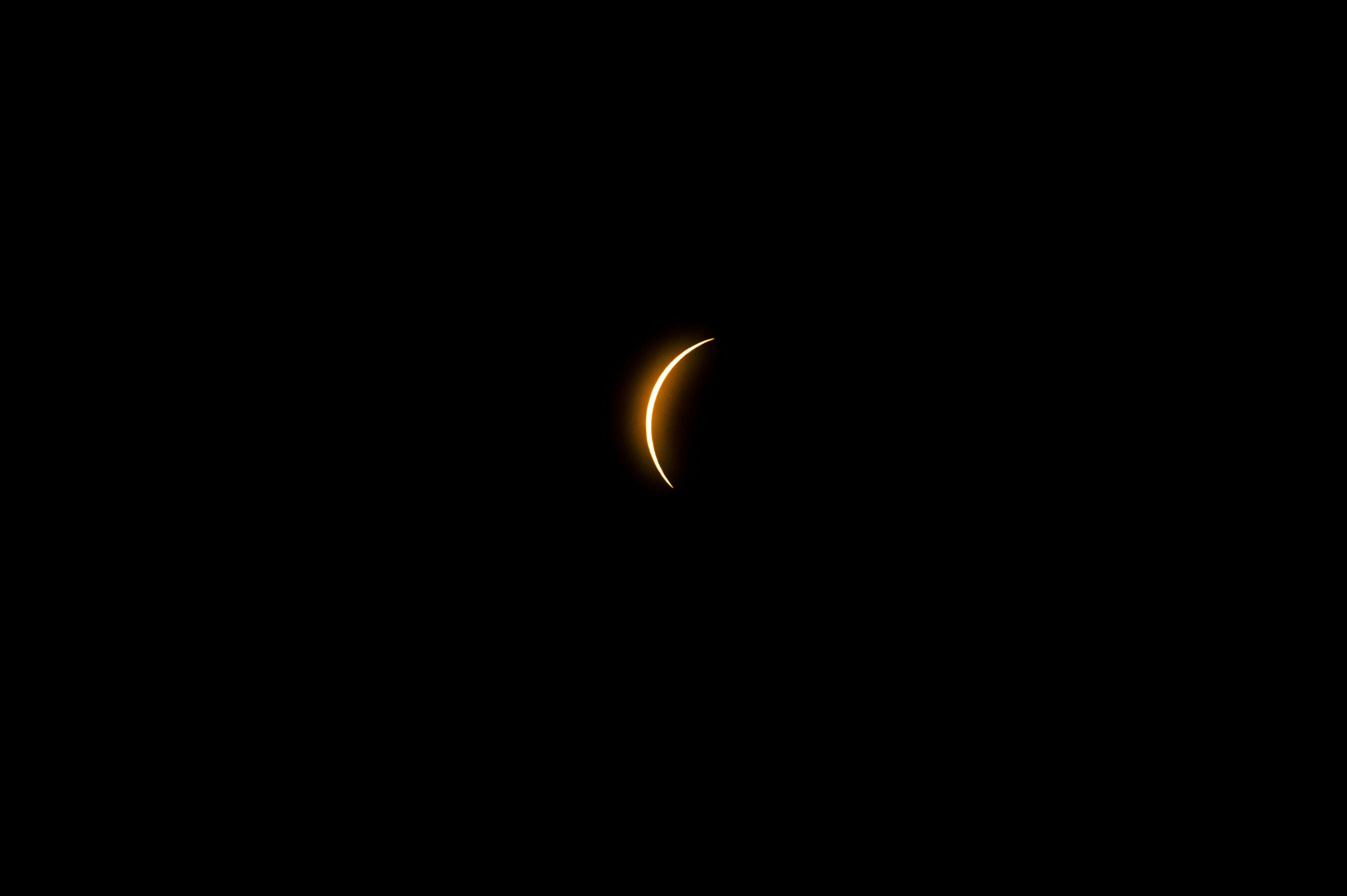
The Anticipation Builds: Solar Eclipse 2023
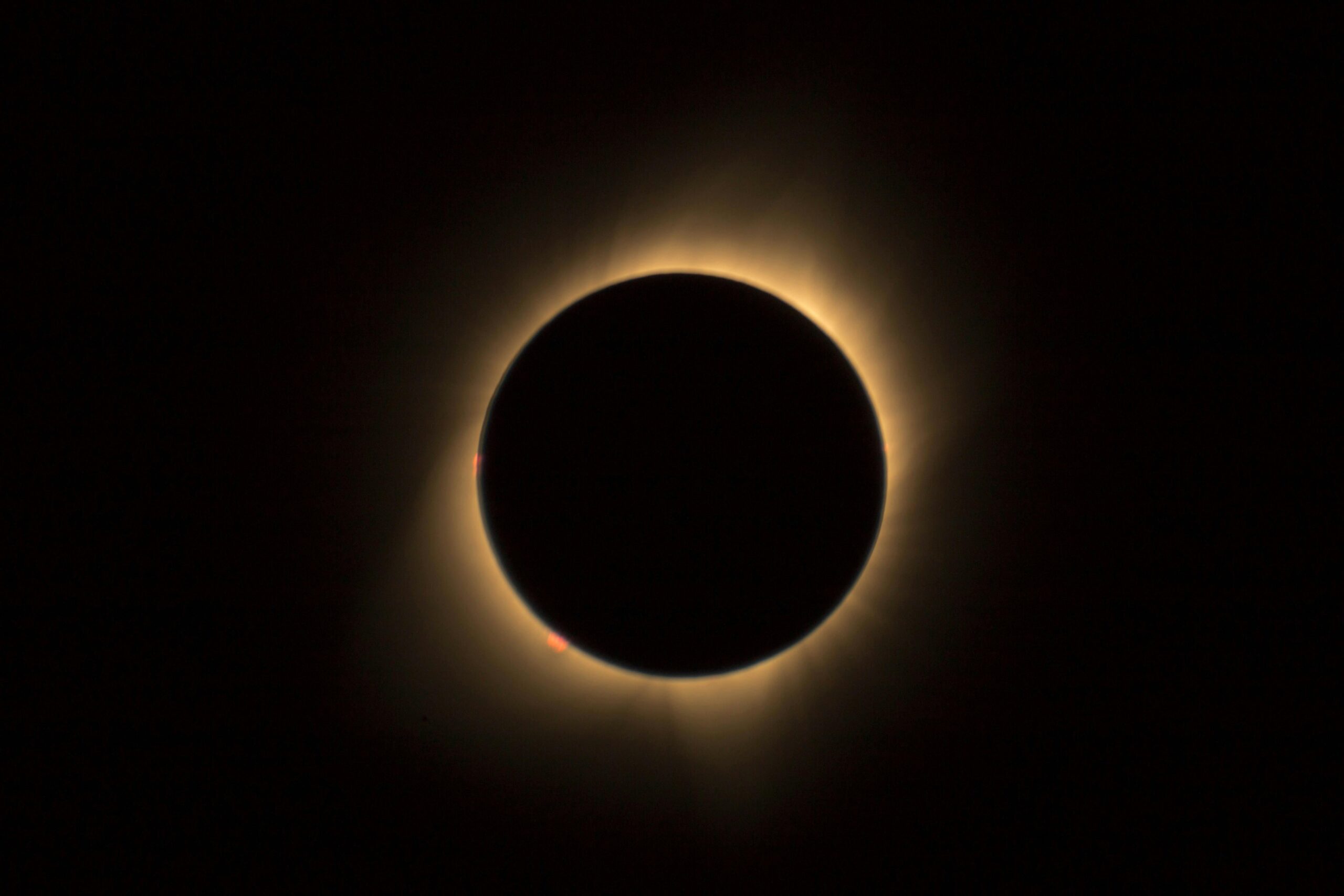
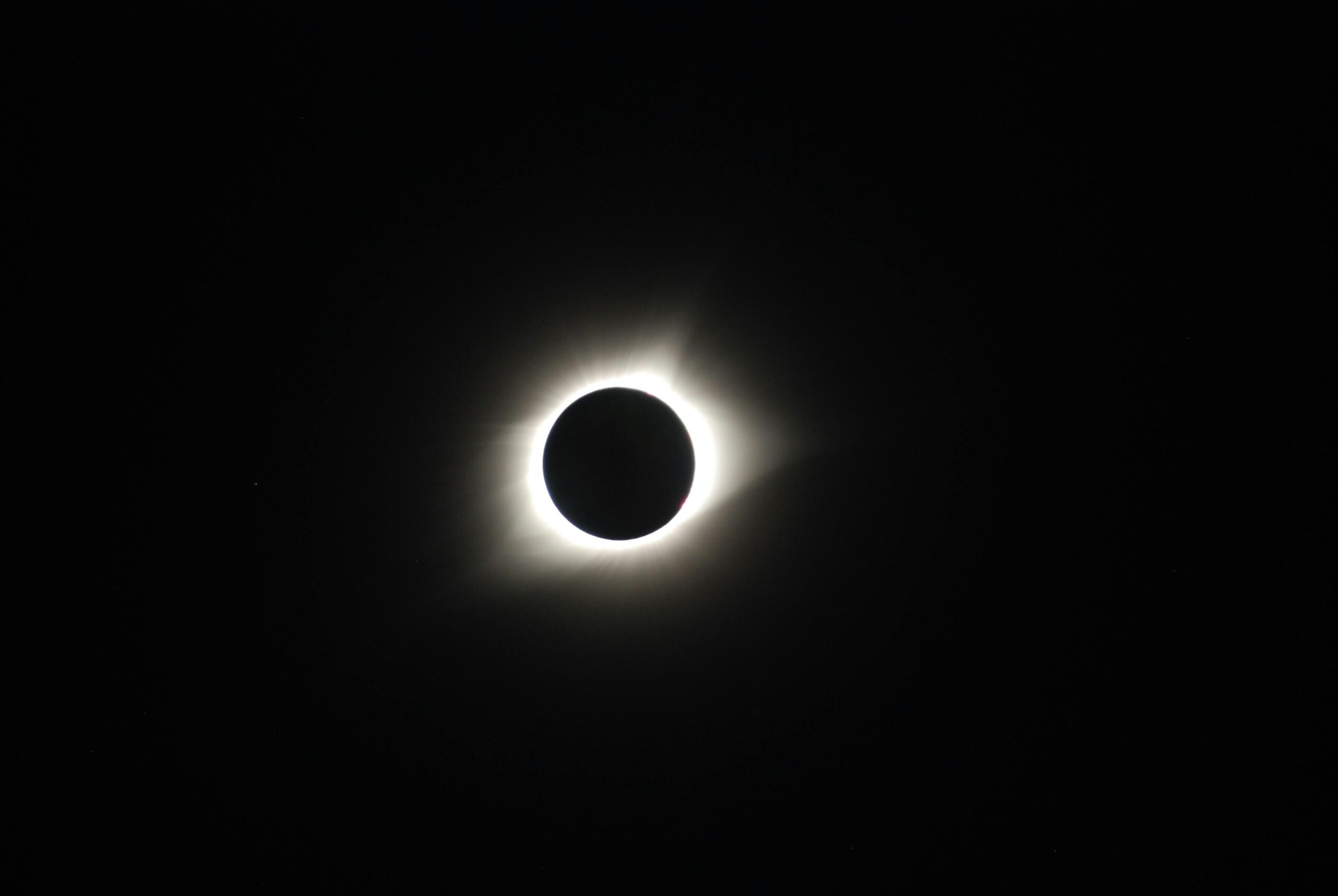
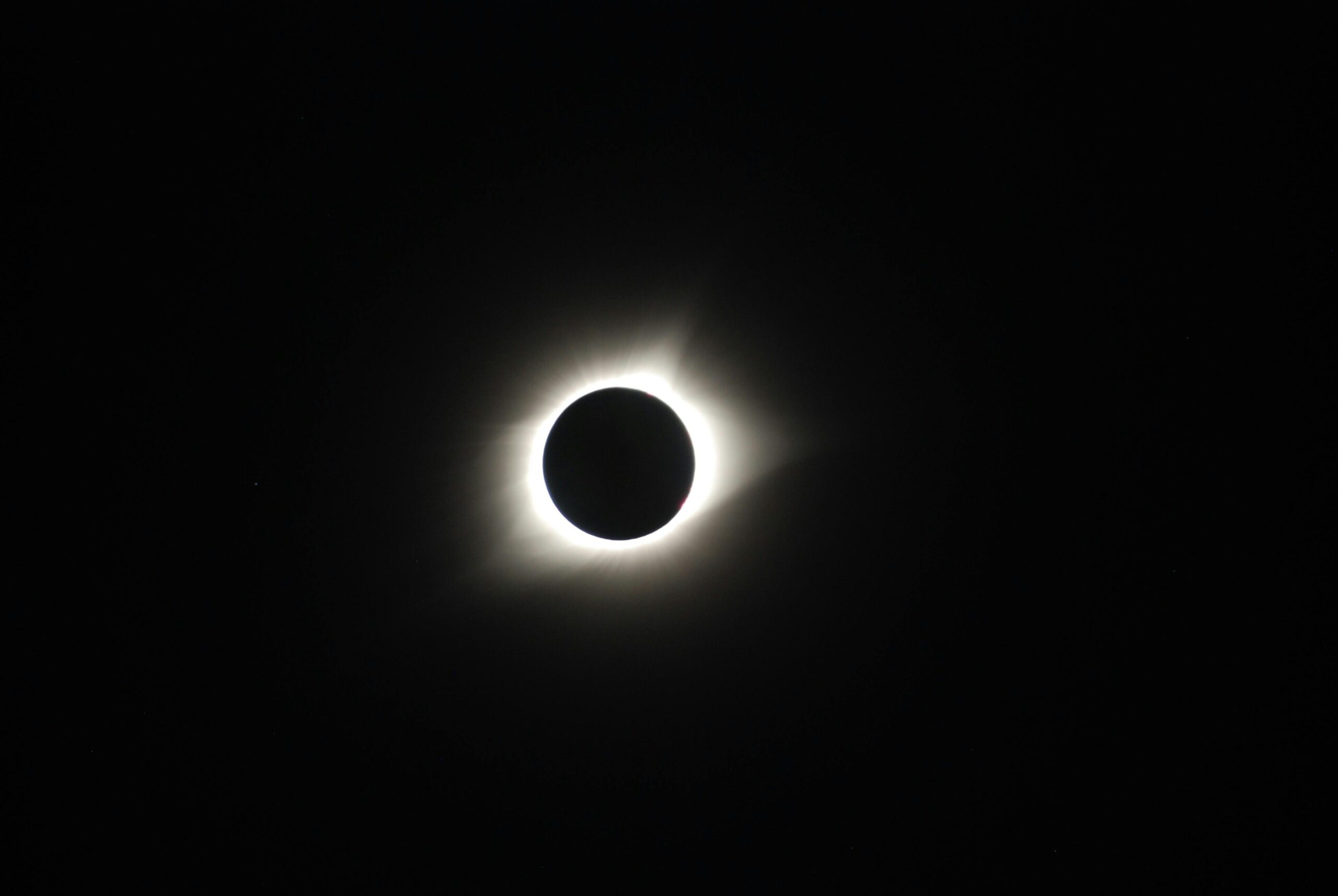
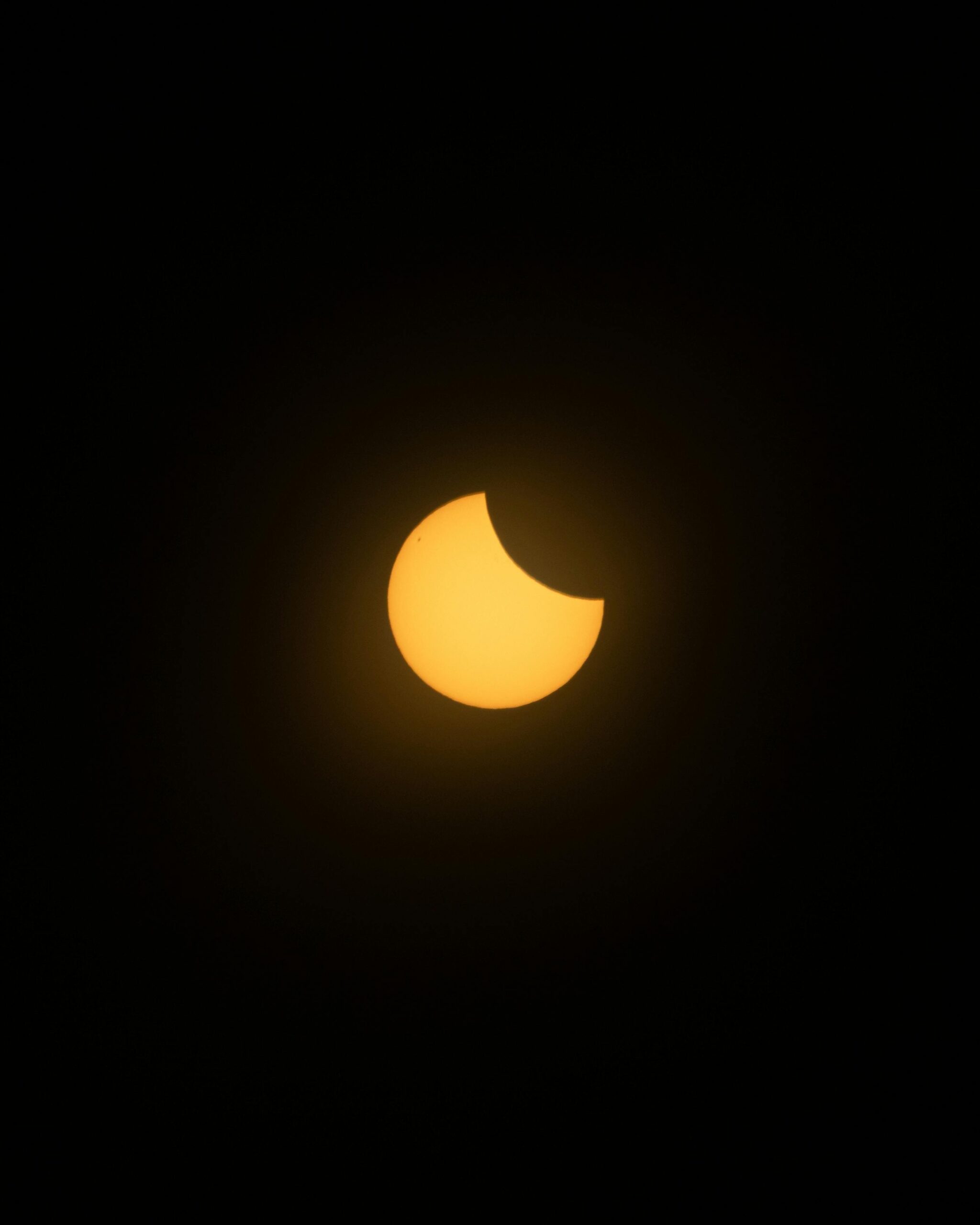
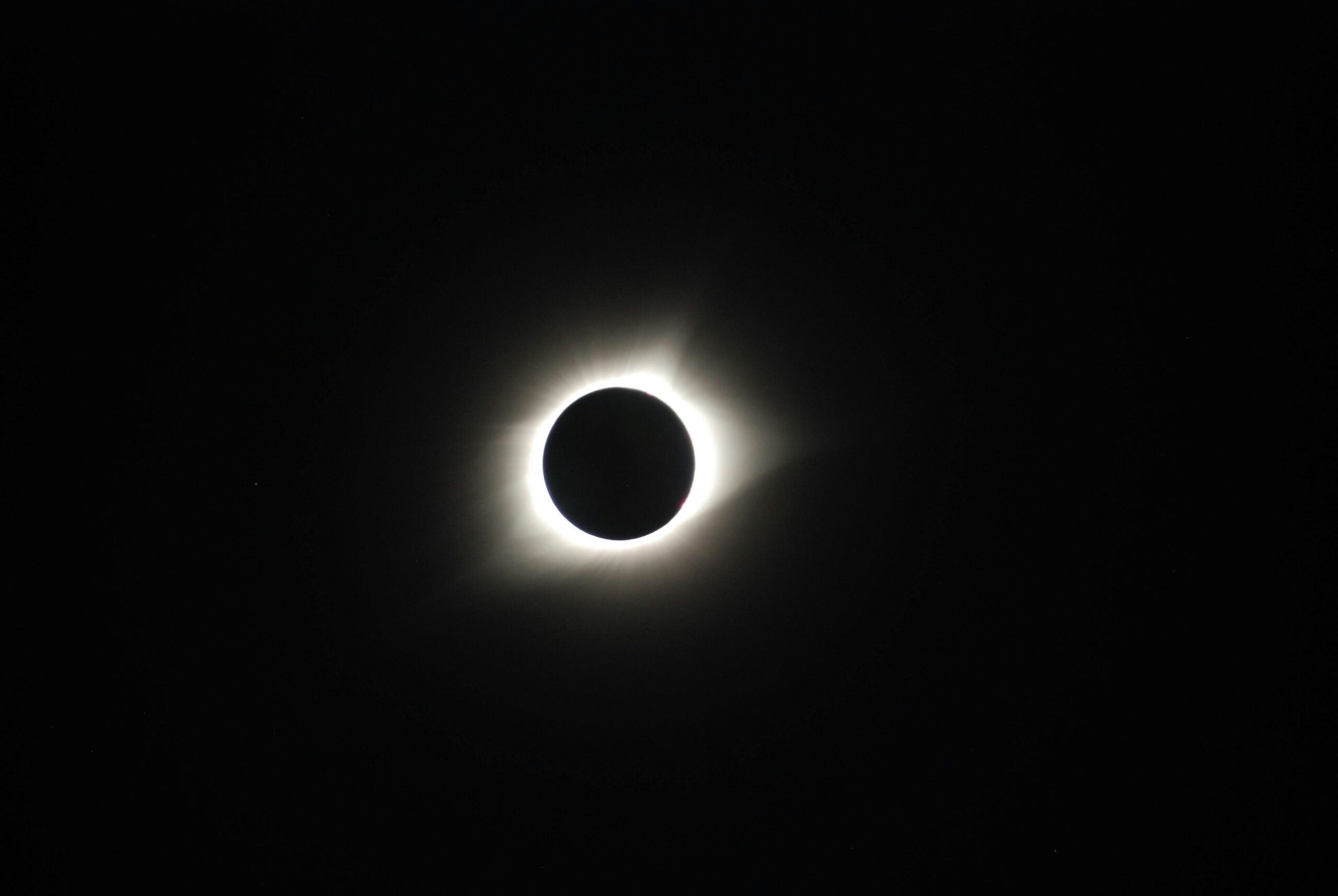
The scientific community and astronomy enthusiasts worldwide are abuzz with excitement as we approach the much-anticipated solar eclipse of 2023. This celestial event, set to occur on October 14, promises to be a spectacle of nature’s grandeur, visible across North, Central, and South America. The eclipse will offer a unique opportunity for both professionals and amateurs to witness the moon’s passage between the Earth and the Sun, casting a shadow that will traverse the continent.
For many, the solar eclipse is more than just a scientific phenomenon; it’s a cultural and communal event. Communities along the path of totality are preparing for an influx of visitors eager to experience the eclipse firsthand. Local businesses, schools, and organizations are collaborating to host viewing parties, educational workshops, and related events to celebrate this rare occurrence.
The Science Behind the Solar Eclipse
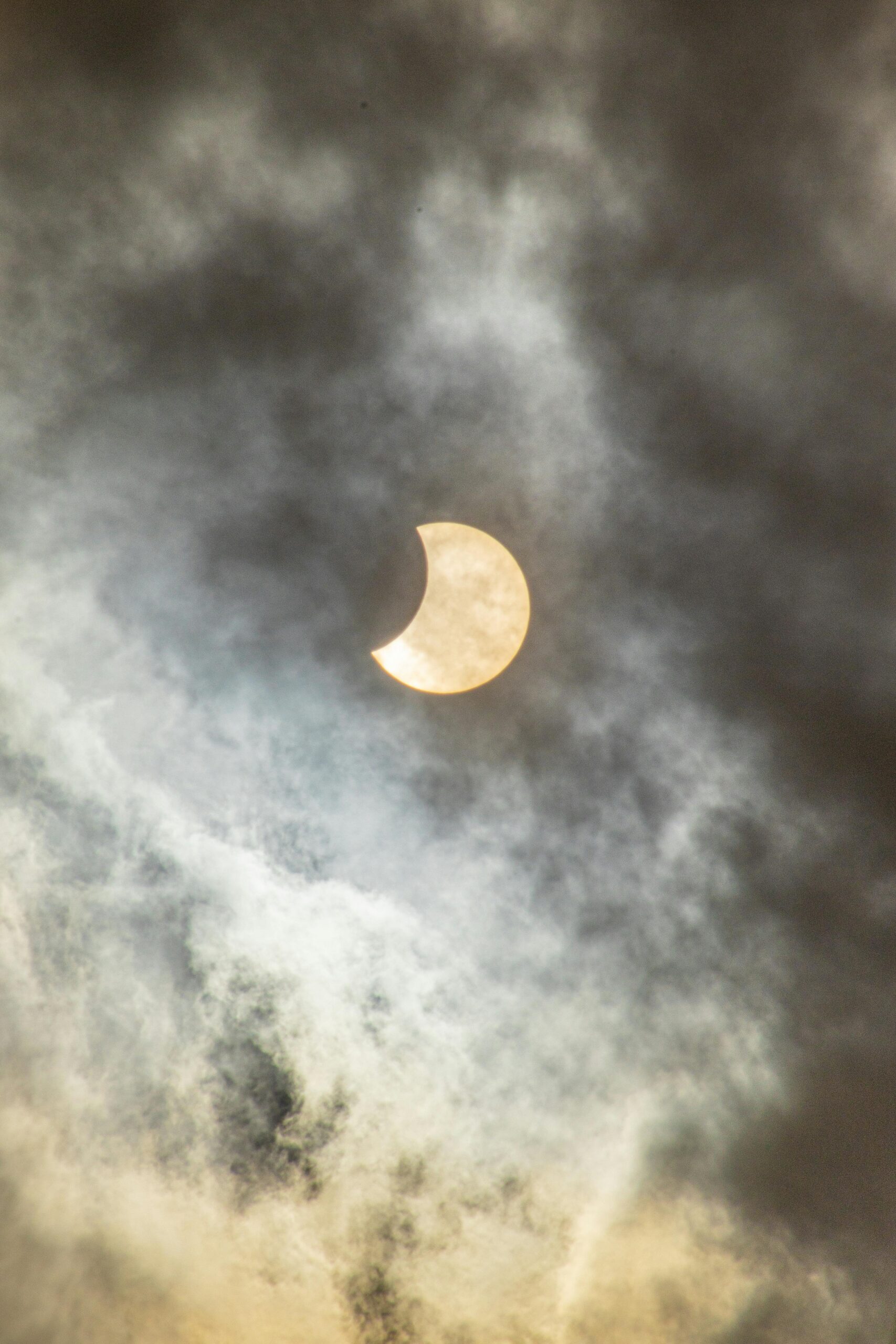
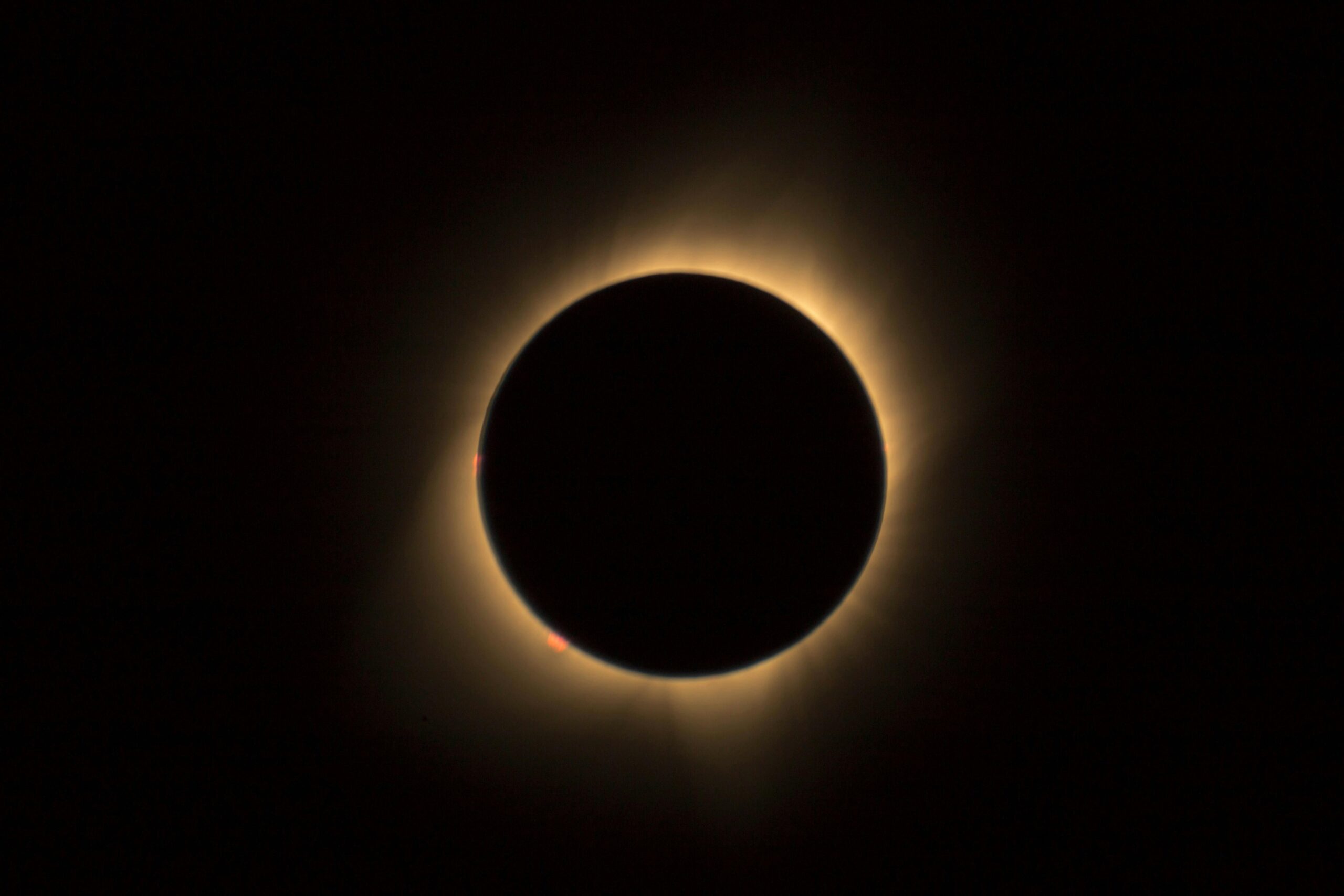
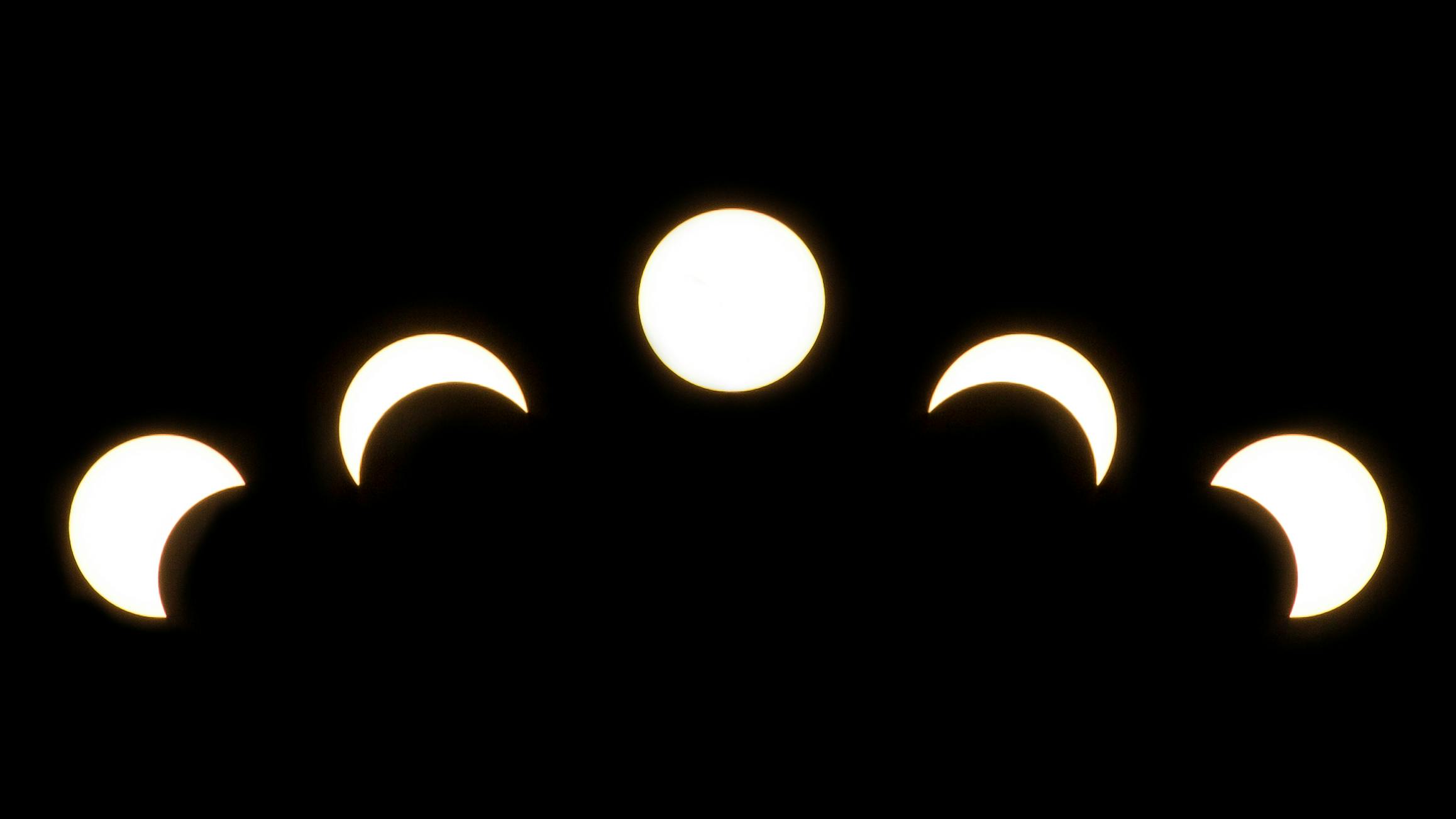
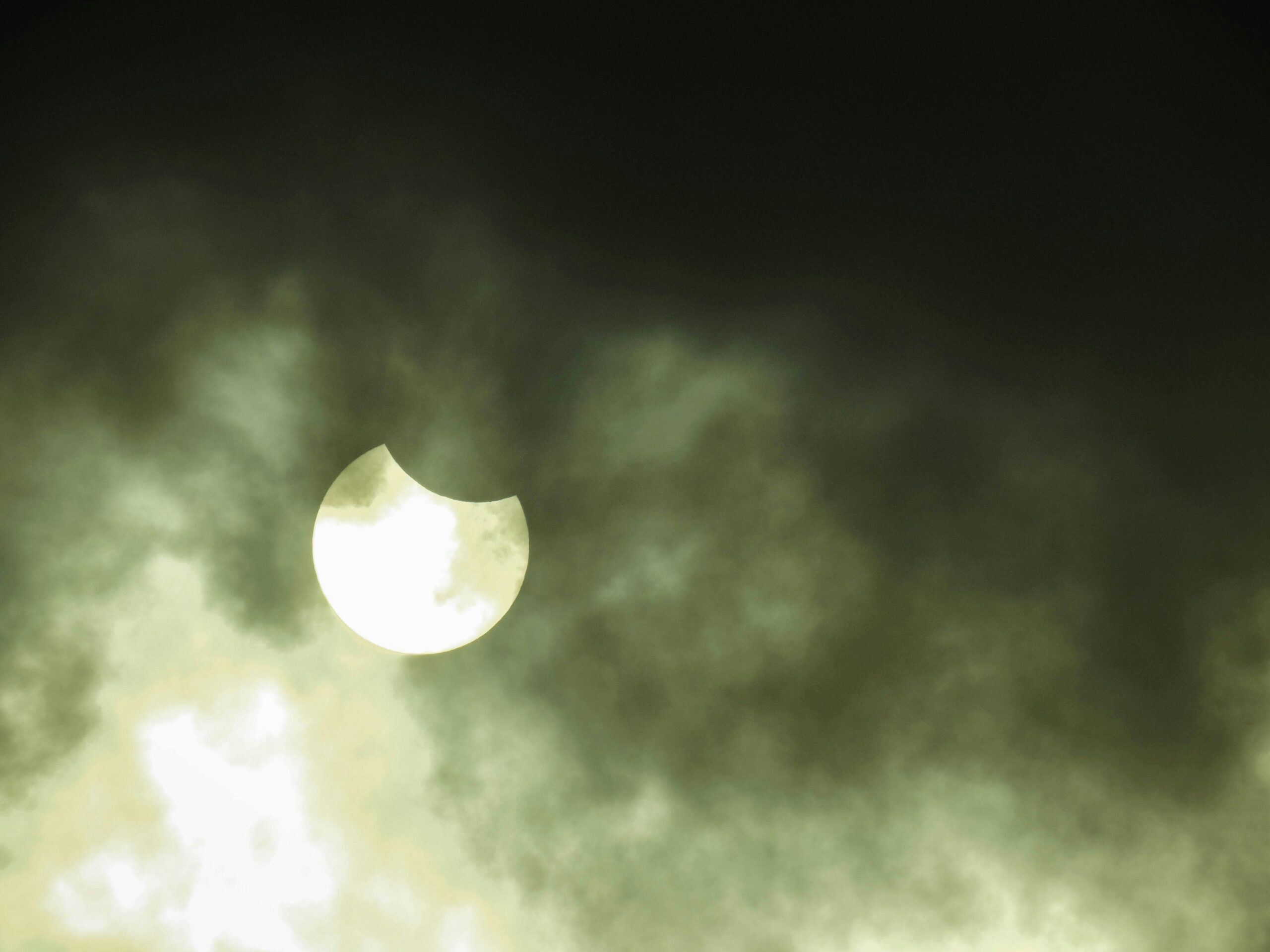
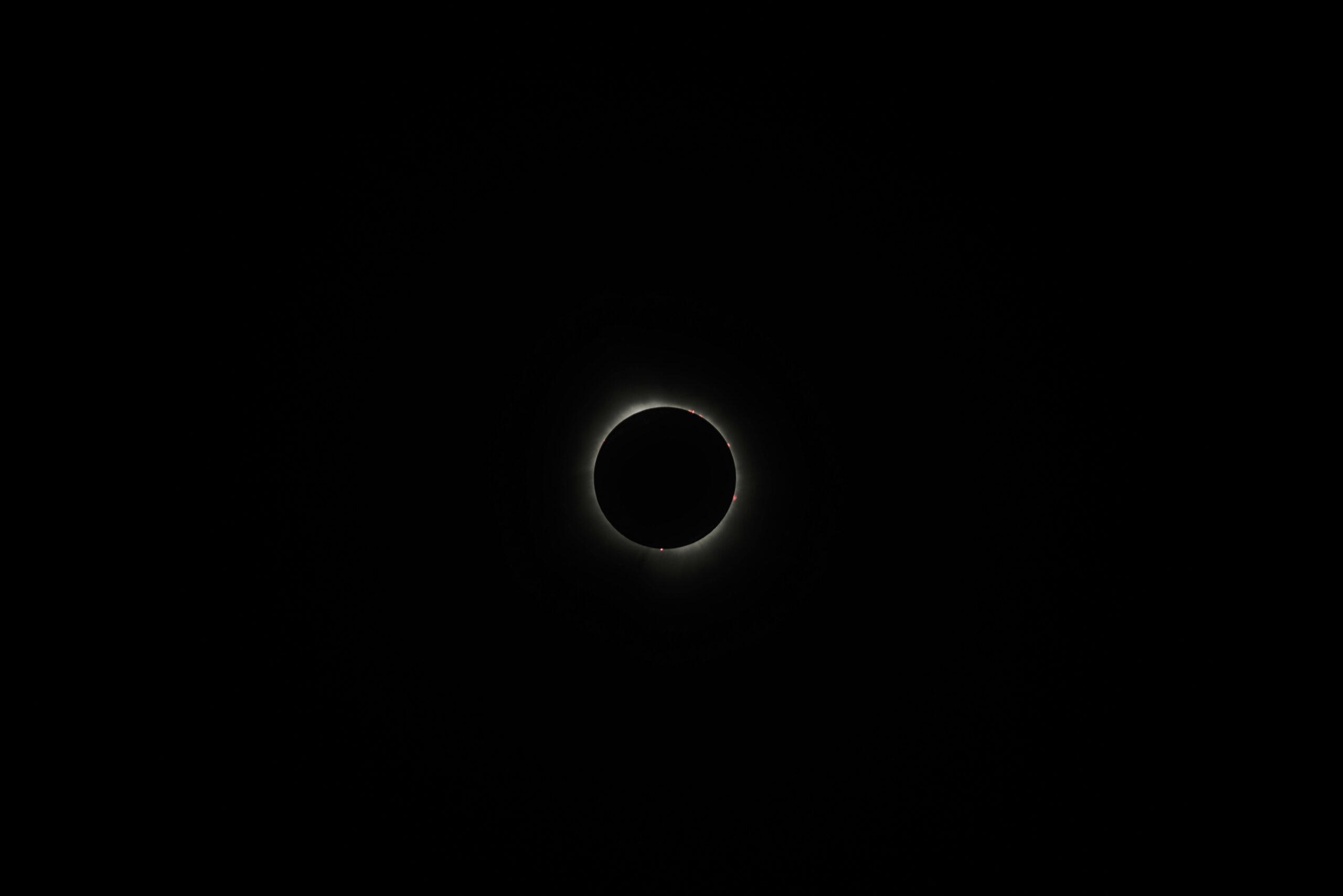
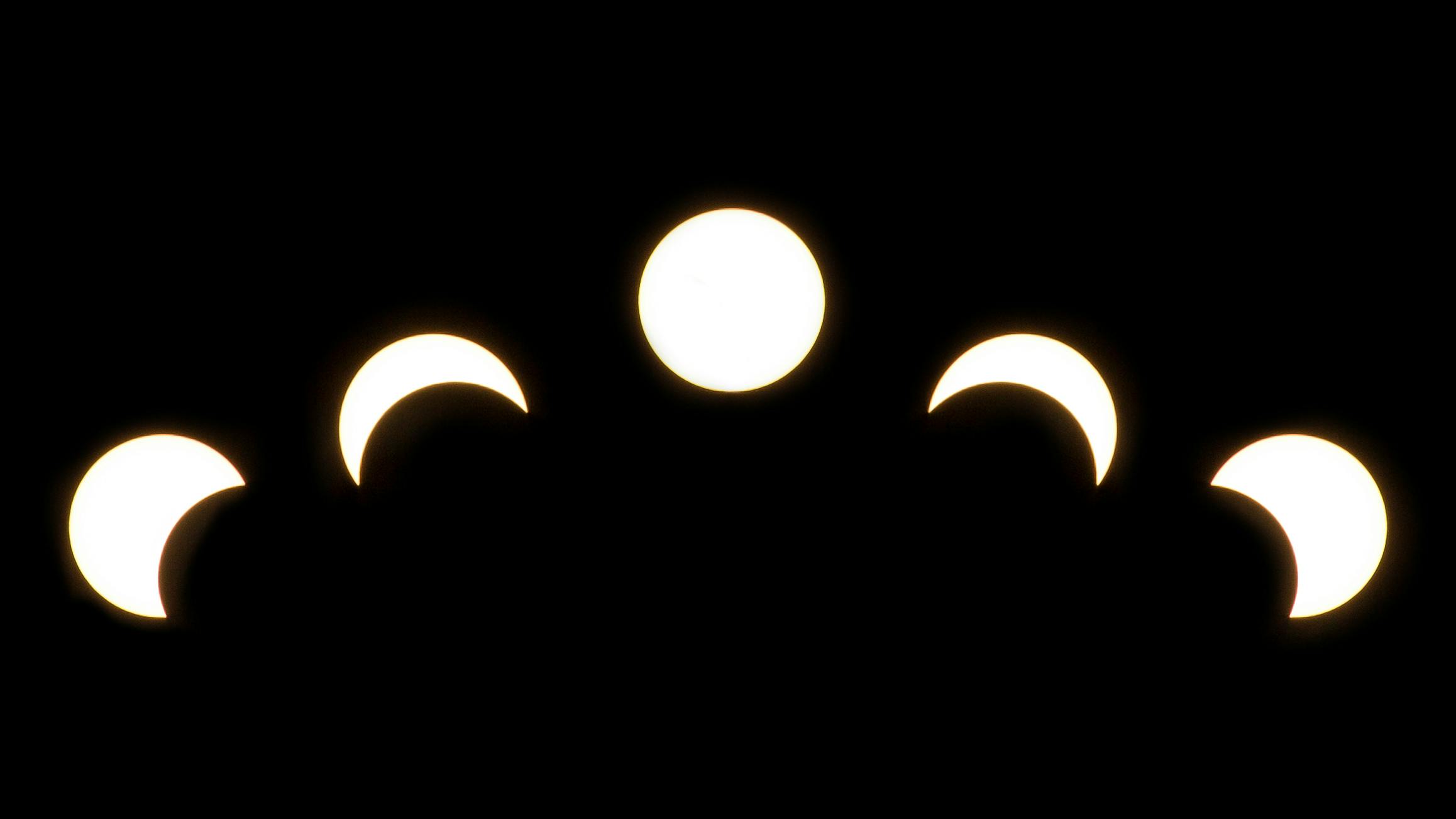
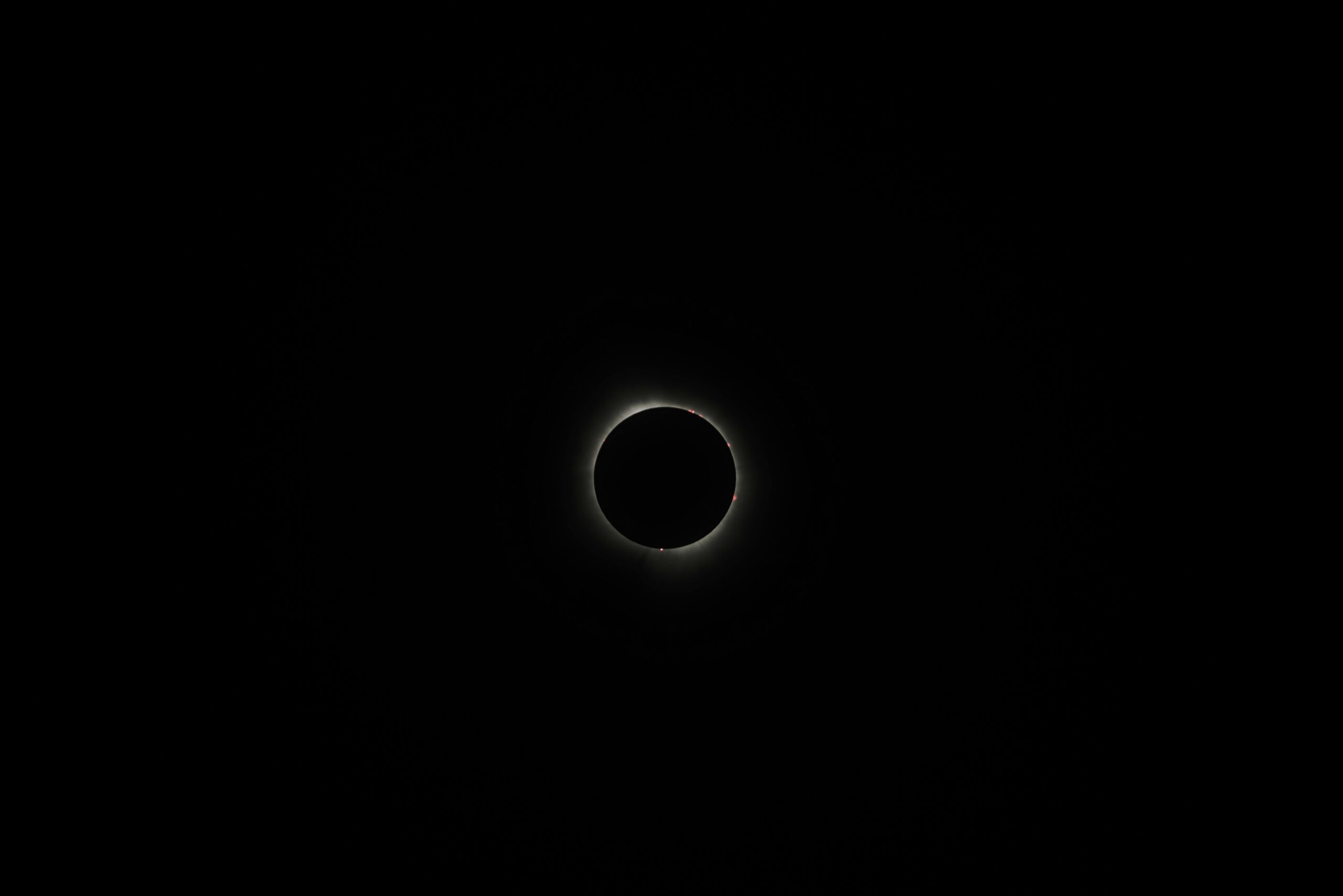
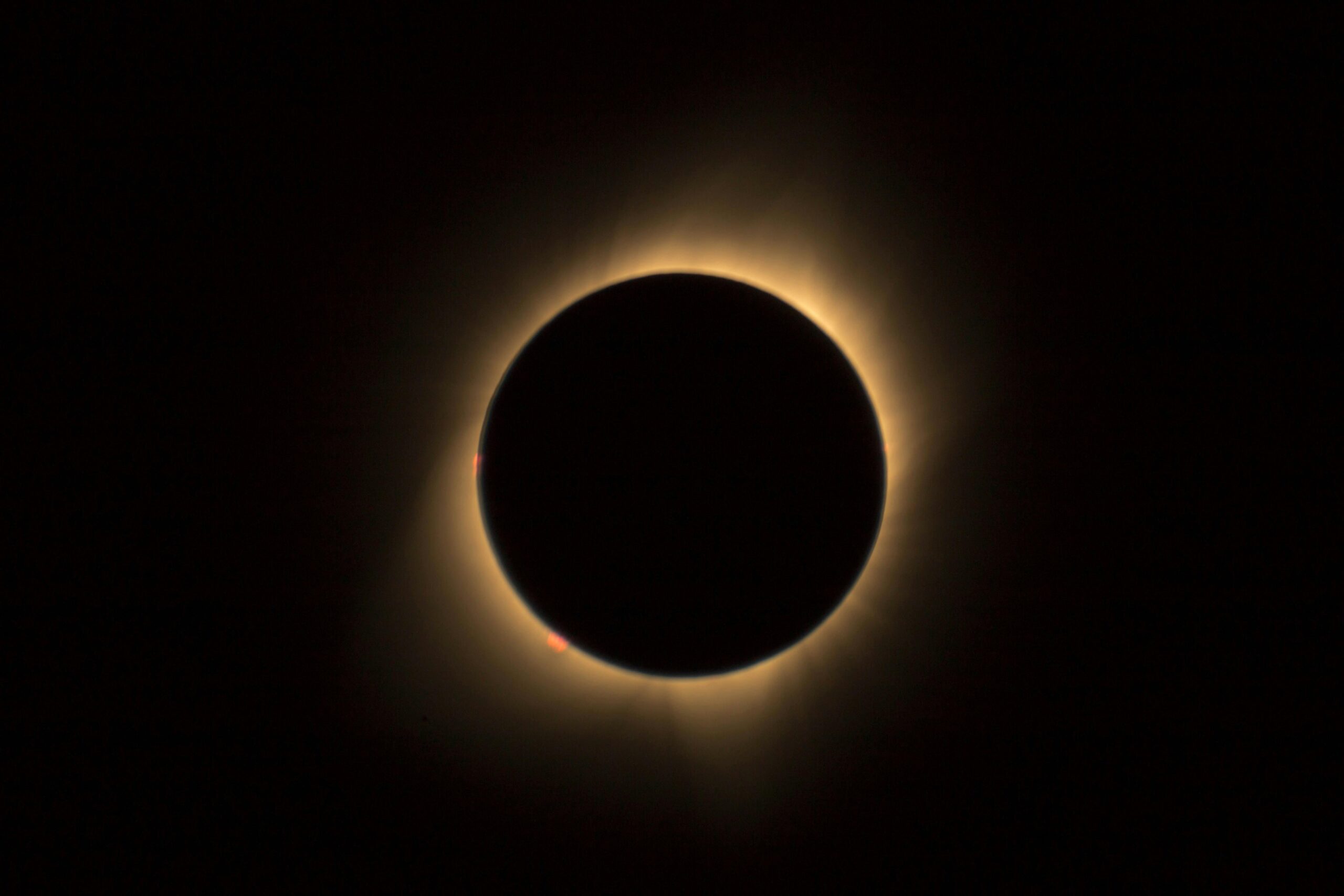
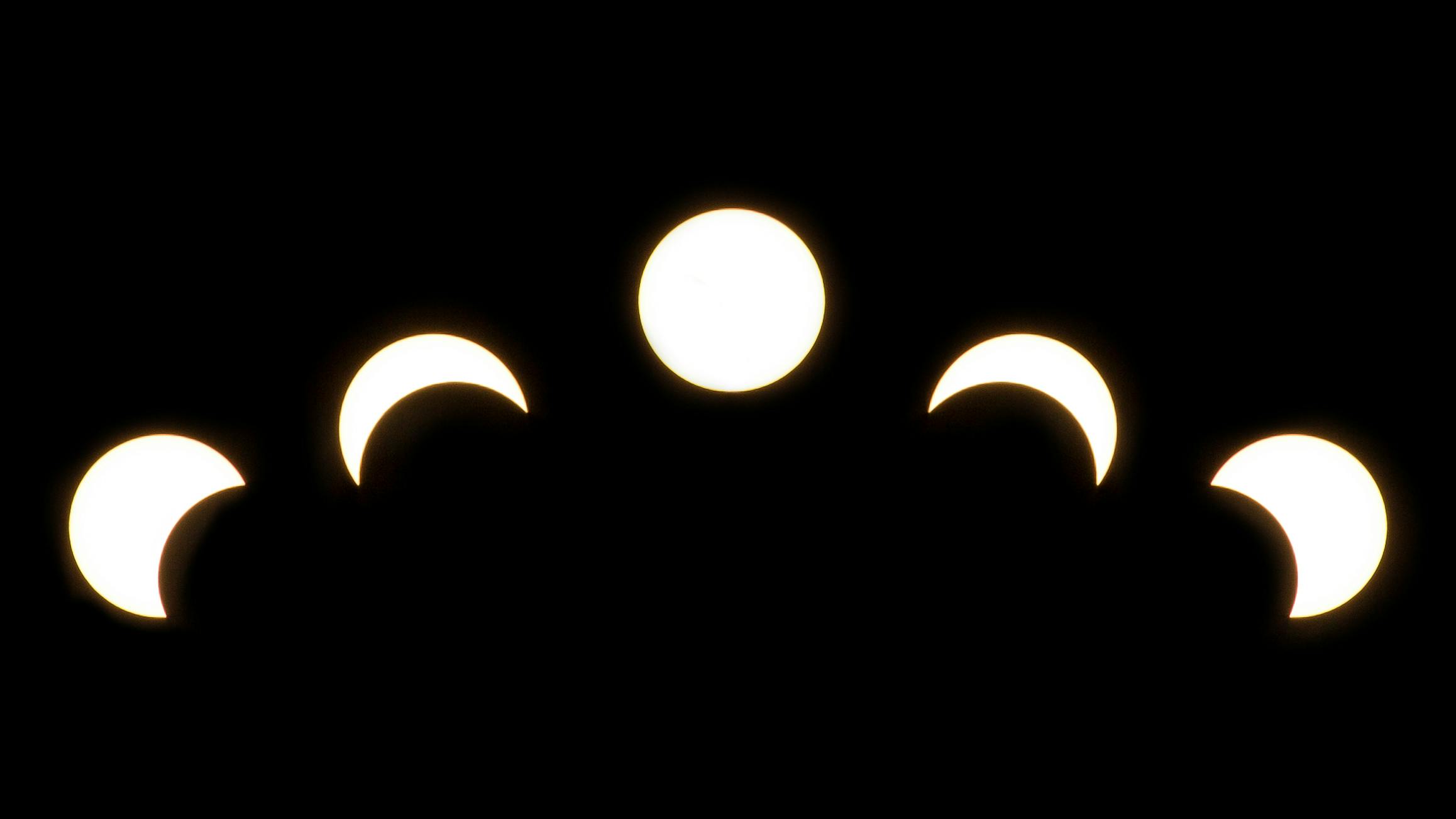
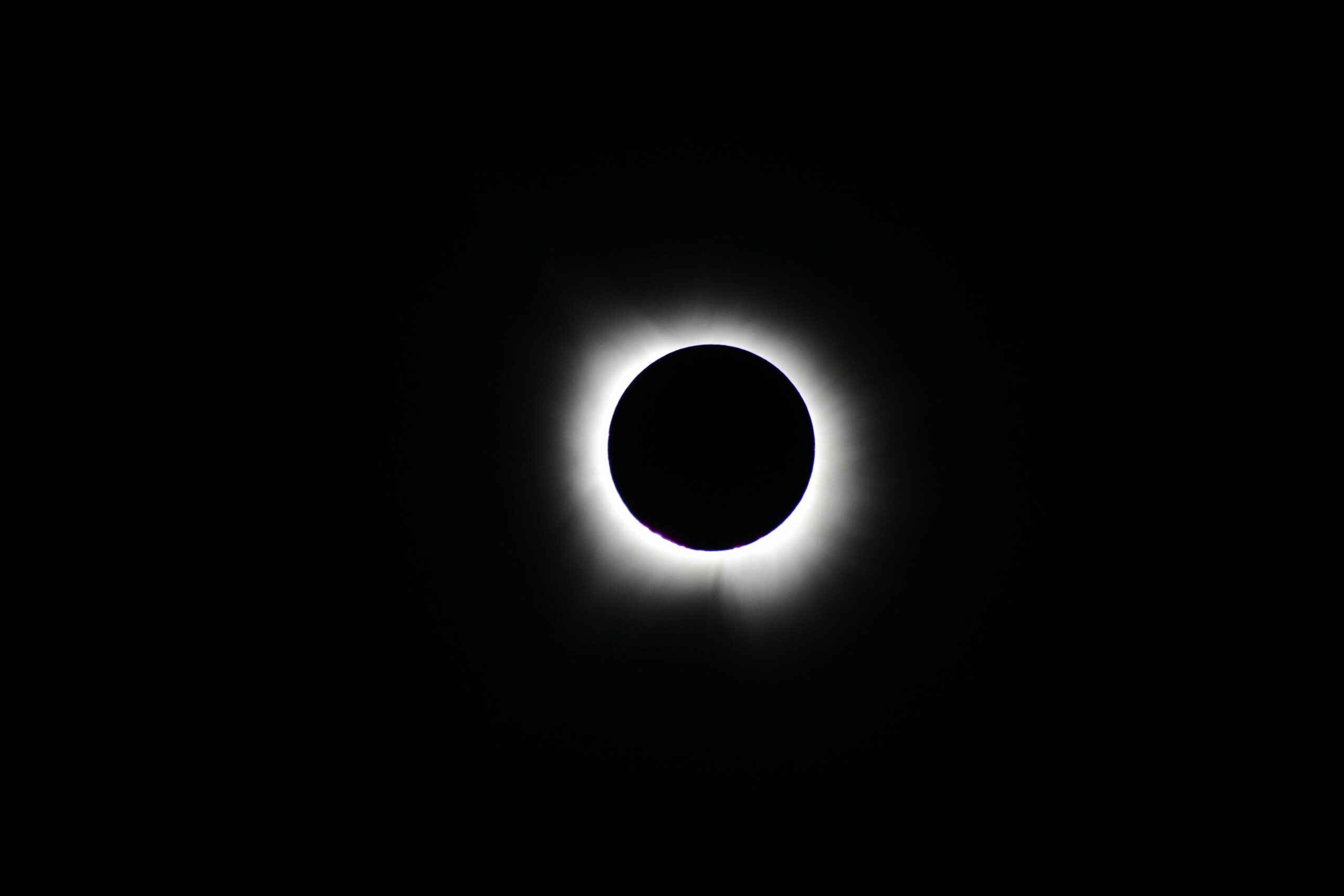
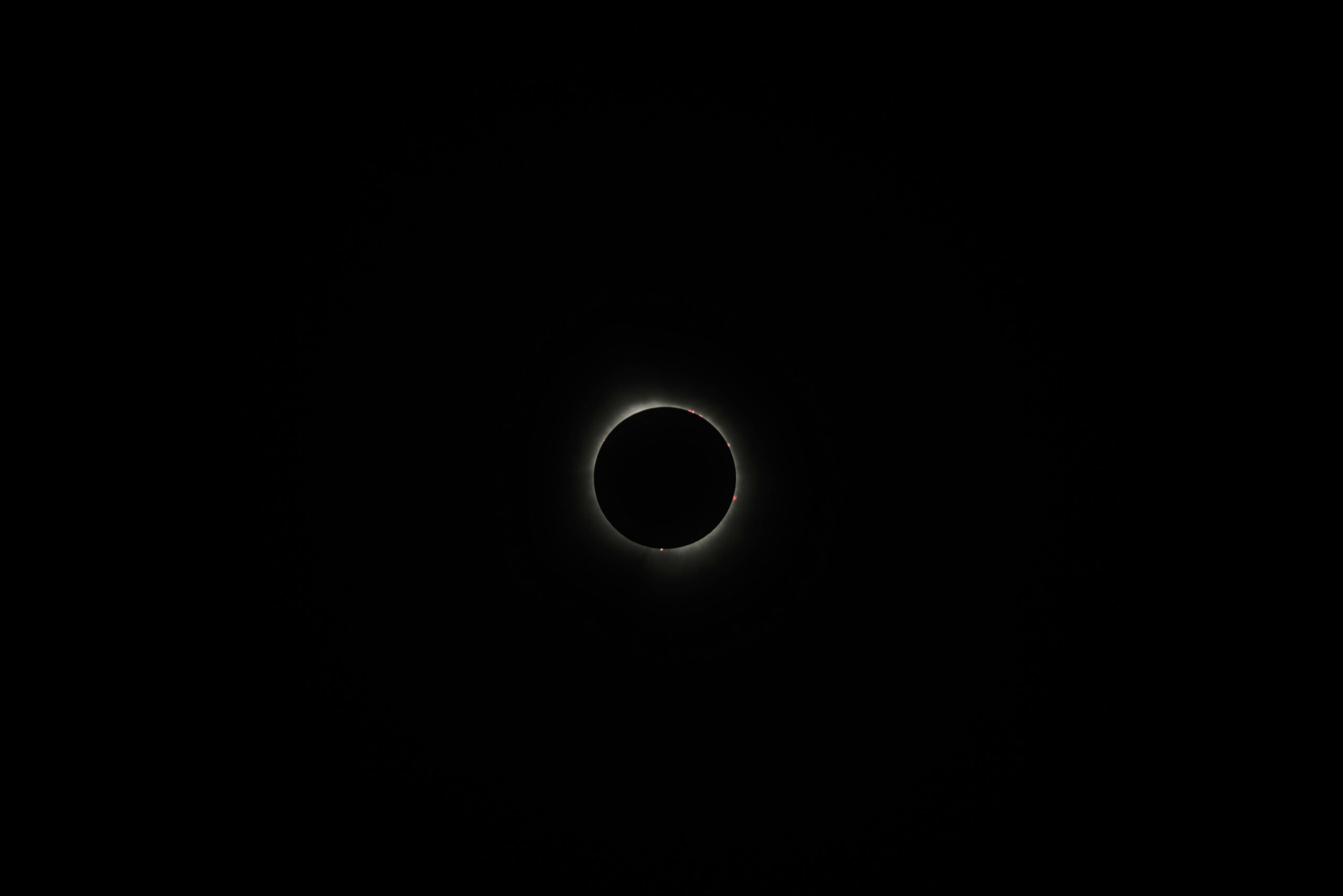
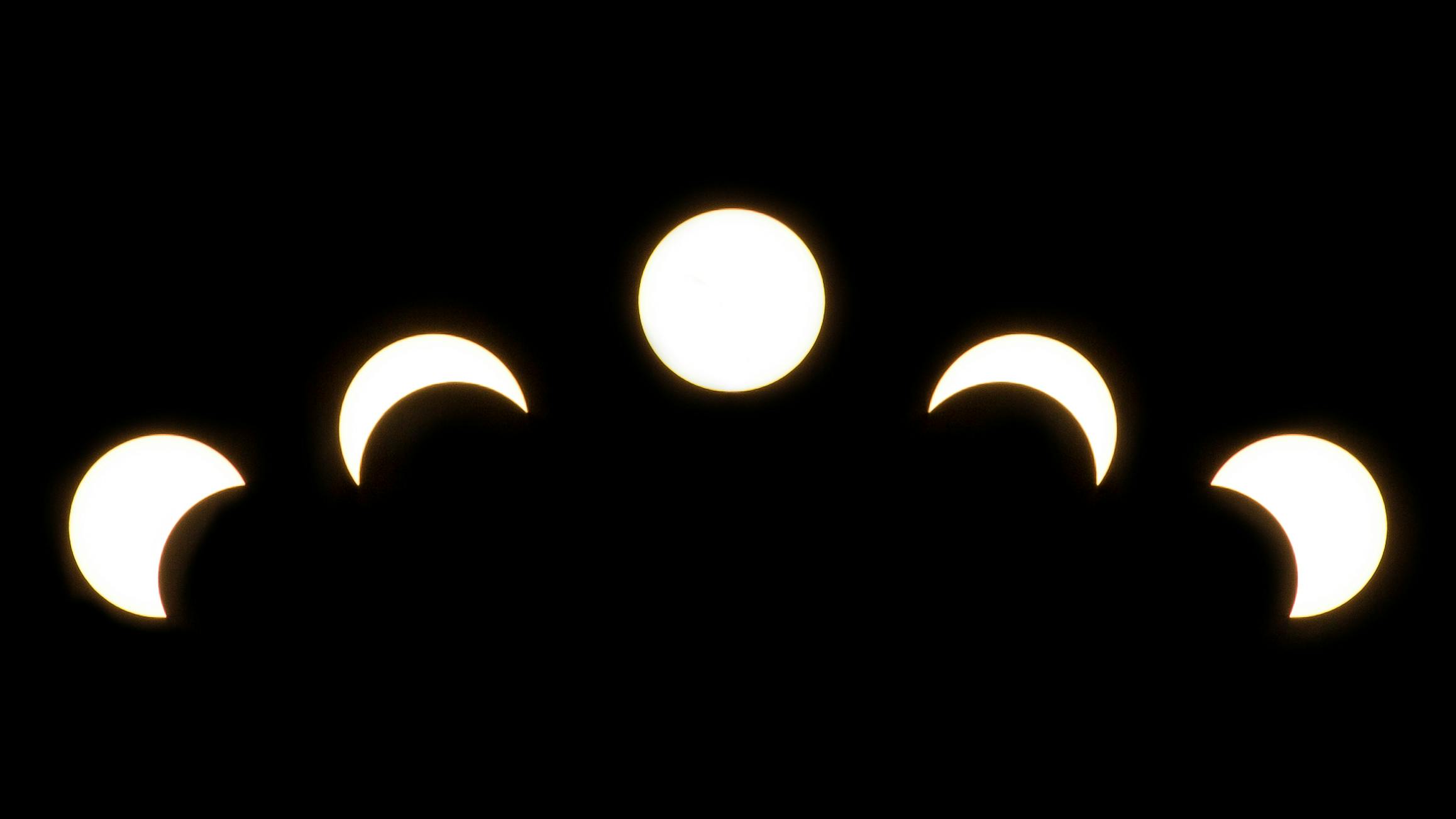
A solar eclipse occurs when the moon passes directly between the Earth and the Sun, blocking the Sun’s light either partially or completely. The 2023 eclipse will be an annular eclipse, which means the moon will be at its farthest point from Earth, causing it to appear smaller than the Sun. This results in a ‘ring of fire’ effect, where the Sun’s outer edges remain visible around the moon’s silhouette.
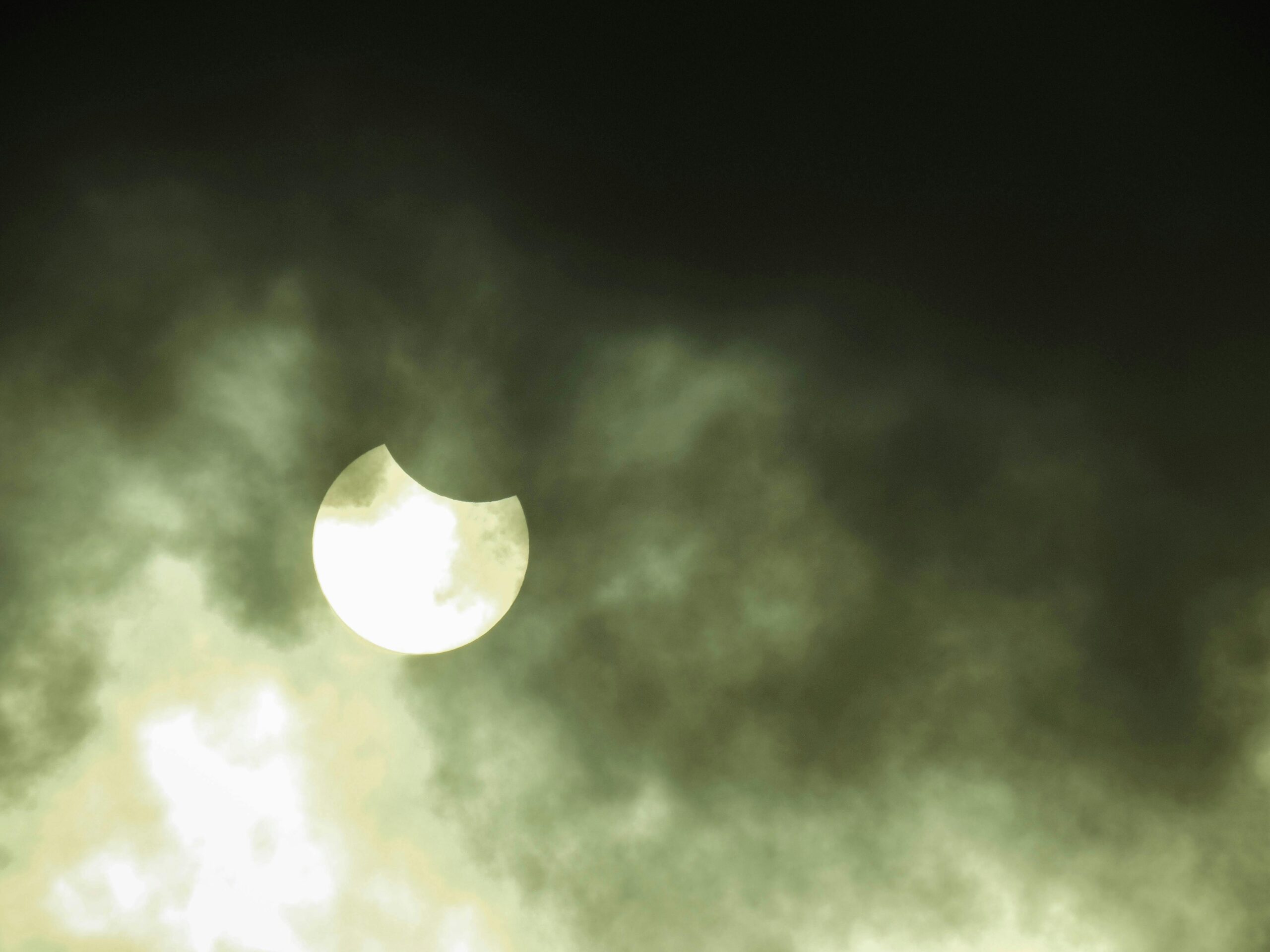
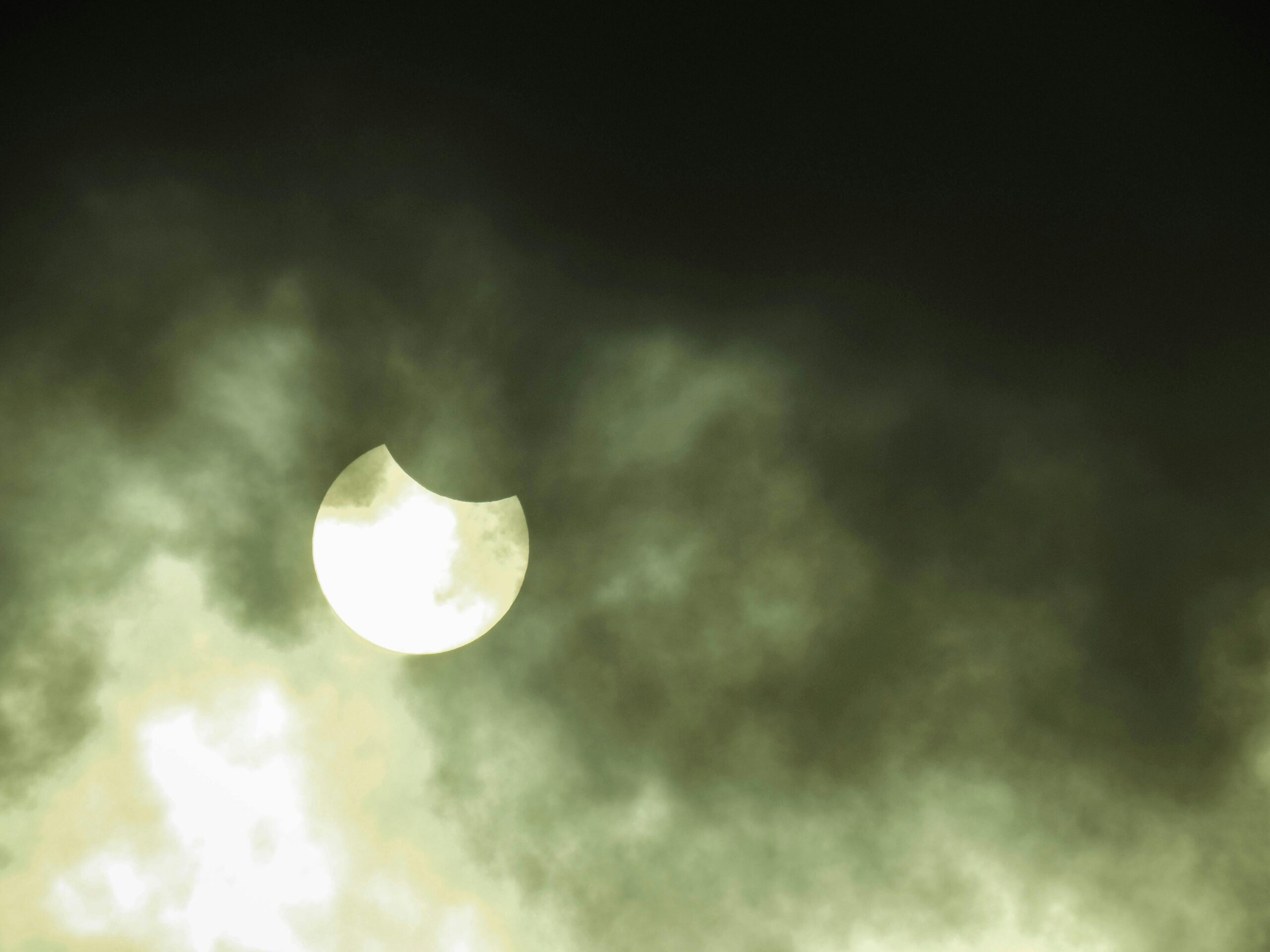
The path of annularity, where the full effect of the eclipse can be observed, will stretch from the Oregon coast in the United States down through Central America and into South America, ending in Brazil. Outside this path, a partial eclipse will be visible to varying degrees, depending on the observer’s location.
Preparing for the Eclipse: Safety and Viewing Tips
Watching a solar eclipse can be a breathtaking experience, but it’s crucial to do so safely. Directly viewing the Sun, even during an eclipse, can cause serious eye damage or blindness. Experts recommend using special solar filters, eclipse glasses, or indirect viewing methods, such as pinhole projectors, to observe the eclipse safely.
For those planning to travel to witness the eclipse, preparation is key. Accommodations along the path of totality are likely to fill up quickly, so early booking is advisable. Additionally, checking local weather forecasts and having a backup viewing location in mind can help ensure a successful viewing experience.
Cultural and Historical Significance
Throughout history, solar eclipses have captivated human imagination and inspired a variety of cultural and mythological interpretations. Ancient civilizations often viewed eclipses as omens or signs from the gods, leading to rituals and ceremonies aimed at appeasing the heavens. Today, while our understanding of eclipses is rooted in science, they continue to hold a special place in many cultures.
In the United States, communities along the eclipse path are embracing the event as an opportunity to celebrate their local heritage and foster a sense of unity. From vintage car show news to local festivals, the eclipse is bringing people together in unique and exciting ways.
The Broader Impact: Science, Education, and Tourism
The 2023 solar eclipse is not only a spectacle for the public but also a valuable opportunity for scientific research. Astronomers and researchers will use the eclipse to study the Sun’s corona, solar flares, and other phenomena that are typically difficult to observe. This data can contribute to our understanding of solar activity and its impact on Earth.
Educational institutions are also leveraging the eclipse as a teaching tool. Schools and universities are organizing viewing events, workshops, and lectures to engage students and the public in the science behind eclipses. These efforts aim to inspire a new generation of scientists and astronomers.
From a tourism perspective, the eclipse is expected to bring a significant boost to local economies. Visitors from around the world will flock to the path of totality, spending on accommodations, food, and local attractions. This influx of tourists can provide a substantial economic benefit to the regions affected by the eclipse.
As we count down to the solar eclipse of 2023, the anticipation continues to grow. Whether you’re a seasoned astronomer or a curious observer, this celestial event promises to be a memorable experience. So mark your calendars, prepare your viewing equipment, and get ready to witness one of nature’s most awe-inspiring phenomena.
To stay informed about the latest developments, consider reviewing global health and safety updates shaping current events worldwide.
To gain a deeper understanding of the recent transformations in the region, consider exploring Hong Kong’s changing dynamics and their implications.