The Anticipation Builds for the 2023 Solar Eclipse
The astronomical community and enthusiasts alike are eagerly awaiting the upcoming solar eclipse set to occur on October 14, 2023. This celestial event promises to be a spectacular display, visible across North, Central, and South America. The eclipse will offer a unique opportunity for both scientific study and public engagement, drawing attention to the wonders of our solar system.
Understanding the Eclipse Phenomenon
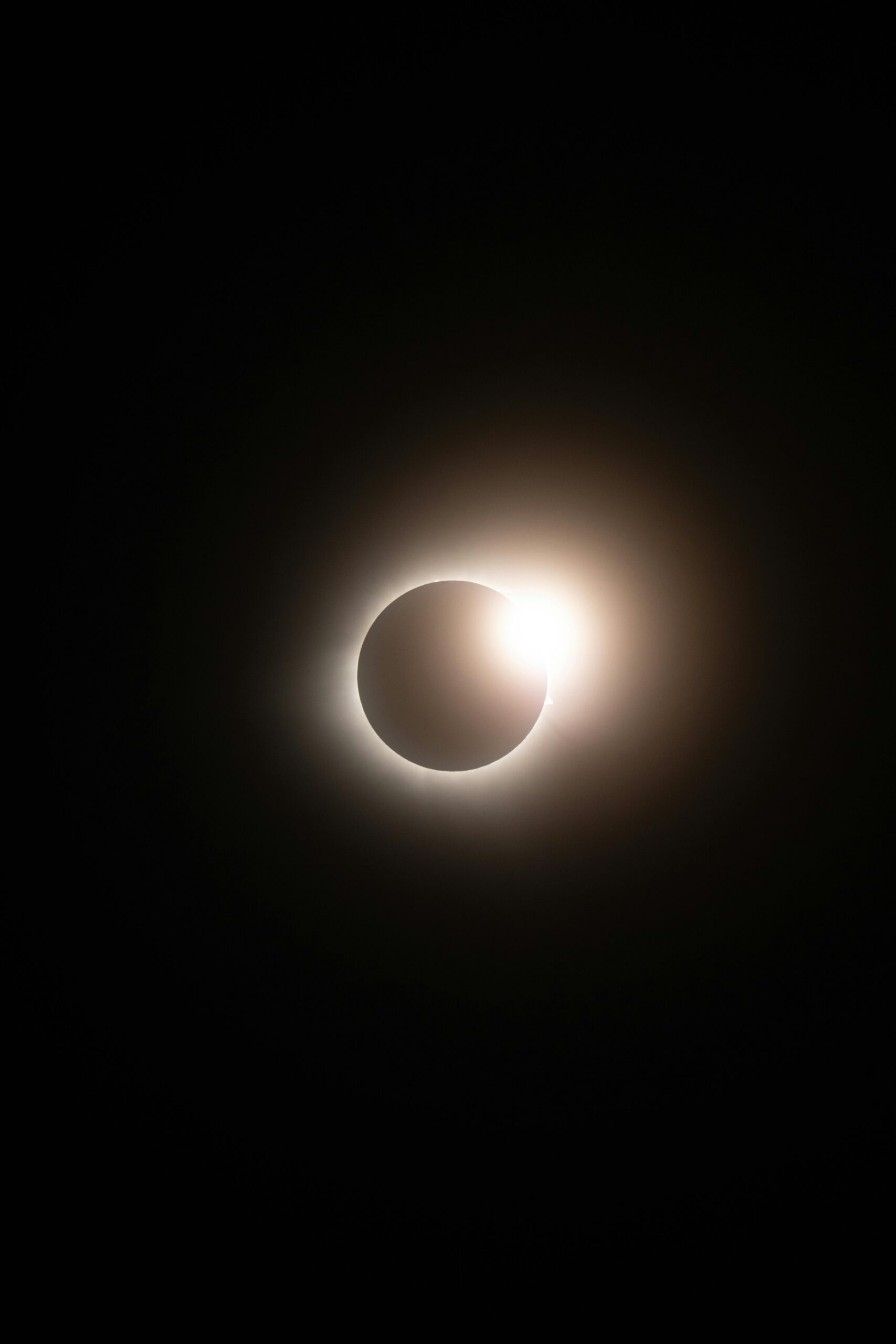
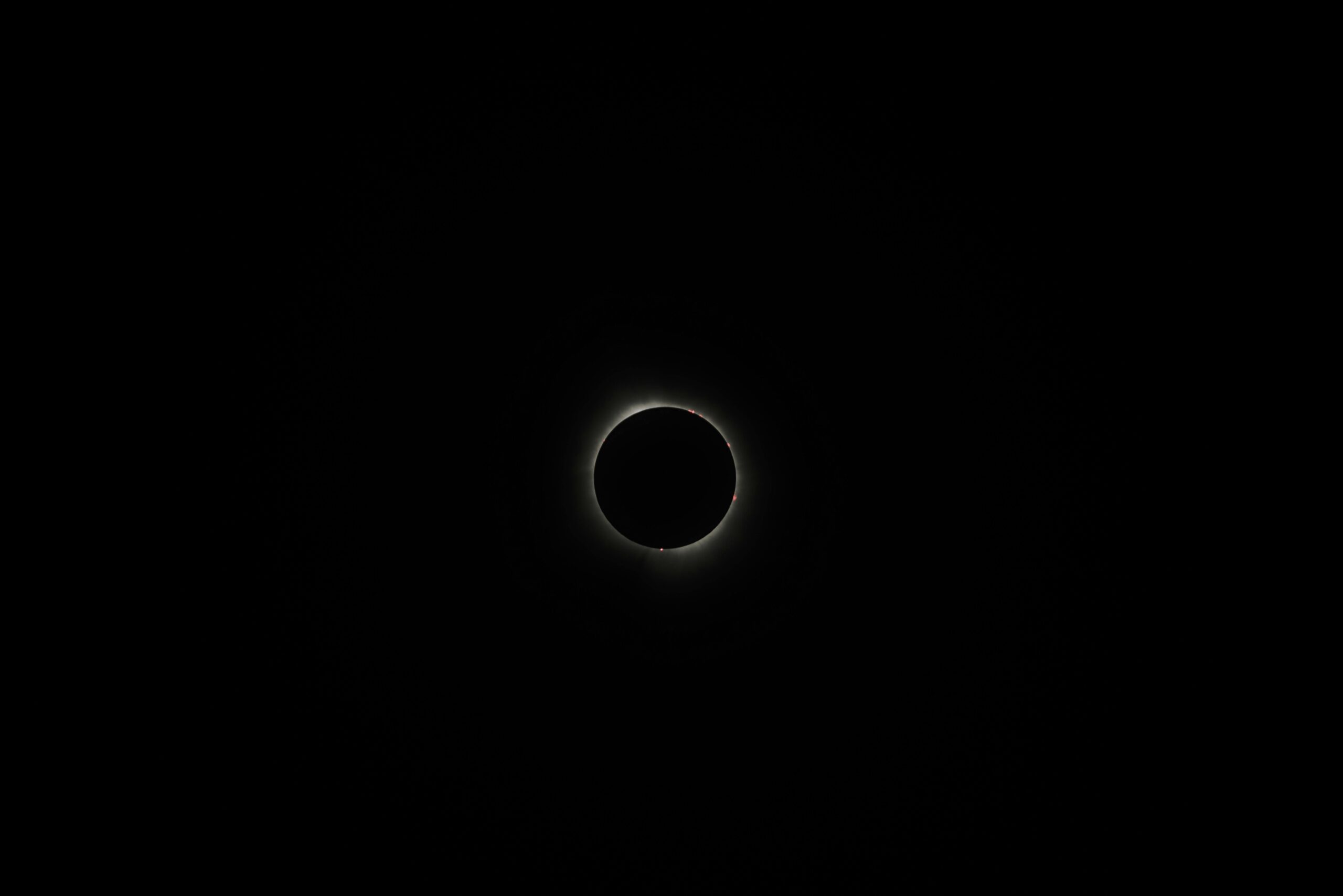
A solar eclipse occurs when the Moon passes between the Earth and the Sun, obscuring the Sun either partially or completely. The 2023 eclipse will be an annular eclipse, meaning the Moon will be at a point in its orbit where it appears smaller than the Sun, leaving a ring-like appearance known as the “ring of fire.” This phenomenon is a rare and awe-inspiring sight, attracting sky gazers from around the world.
Preparation and Safety Measures
As the eclipse approaches, it is crucial for observers to prepare adequately. Proper eye protection is essential to view the eclipse safely. Special solar filters or eclipse glasses that meet international safety standards should be used to prevent eye damage. Additionally, astronomers and enthusiasts are advised to plan their viewing locations in advance, considering factors such as weather conditions and visibility.
For those looking to enhance their viewing experience, there are numerous community events and local activities planned. These events often include educational workshops, telescope viewings, and interactive sessions with astronomers. Checking local listings and community events local activities can provide valuable information on where to find these gatherings.
Scientific Significance and Research Opportunities
The 2023 solar eclipse presents a valuable opportunity for scientific research. Astronomers and researchers will be studying the Sun’s corona, solar flares, and other phenomena that are typically difficult to observe. The data collected during the eclipse can contribute to our understanding of solar activity and its impact on Earth. Universities and research institutions are likely to organize public outreach programs to share their findings and engage the community in scientific discourse.
Cultural and Historical Context
Solar eclipses have fascinated humans for centuries, often inspiring myths, legends, and cultural practices. Ancient civilizations interpreted eclipses as omens or signs from the gods. Today, while our understanding of eclipses is grounded in science, they continue to hold a special place in cultural narratives. The 2023 eclipse is no exception, with various communities planning festivals, art exhibitions, and educational programs to celebrate this celestial event.
Tips for Photographers and Enthusiasts
Capturing the solar eclipse on camera can be a rewarding experience for photographers. Specialized equipment, such as solar filters for cameras and telescopes, is necessary to safely photograph the eclipse. Additionally, photographers should practice their techniques beforehand and be prepared for the rapidly changing light conditions during the eclipse. Sharing photographs and experiences on social media can also contribute to the global celebration of this astronomical event.
The 2023 solar eclipse is not just a scientific event but a community experience. By participating in local activities, engaging with scientific research, and sharing the wonder of the cosmos, individuals can make the most of this celestial spectacle. As the countdown to October 14 begins, the anticipation and excitement continue to grow, promising a memorable event for all involved.