
Understanding local classifieds in the USA: how they matter for readers
A clear explainer for news readers on what local classifieds in the USA are, why they matter, how they work, and practical tips for using them responsibly.

Local classifieds in the USA are small, practical channels for neighbors to trade goods, offer services, or find items without mass ads. This explainer clarifies what they are, how they fit into community reporting, and why readers might care when events disrupt local life. You’ll see concrete steps to use them wisely and responsibly.
The guide here is written for readers who want dependable, plain instructions. It explains what to look for, how to verify listings, and how to avoid common missteps. It treats classifieds as a legitimate, real-world tool that can help readers respond to local needs.
Expect straightforward guidance: what qualifies as a listing, how to assess credibility, and how to report issues to a newsroom if problems appear. Each paragraph aims to give you a usable takeaway, not a theory about the market.
- Local classifieds in the USA are community-listed ads for goods and services.
- Know how to read listings, verify details, and meet safely.
- Use listings as a practical tool for everyday needs rather than a risky gamble.
- Newsrooms can reference classifieds to illustrate local activity and verify claims.
Basics you should know
What classifieds are today
Classifieds are short, direct listings posted by residents or businesses to sell, trade, or advertise services within a community. Today’s platforms blend print-style ads with digital posting boards and mobile options. For readers, they function as a barometer of local activity, from yard sales to job postings. local classifieds in the USA are a practical link between neighbors and local commerce.
Additionally, listings often have limited details, so readers should seek clarifications before acting. Look for contact methods, dates, prices, and a clear description. This helps prevent miscommunications and wasted trips.
- Check posting date and contact method
- Confirm location and item condition
- Ask for additional photos or details
Why readers should care

Impact on daily life
Local classifieds reflect everyday needs and opportunities, from spare parts to small-service offers. They can help readers save time by pointing to nearby options and avoiding longer searches. Understanding how they work helps readers compare alternatives quickly. For context on newsroom practices, see businessbriefer.com news.
Community reporting often uses classifieds to spot trends, such as seasonal markets or service gaps. Readers benefit when newsrooms highlight safe practices and verify listings before sharing.
Listings can also reveal issues like misleading prices or misrepresented items; readers should check terms and verify sellers before committing.
How listings are created and found
Posting and browsing basics
Anyone can post a listing with a short description, price, and contact method. Browsers should scan multiple postings and compare similar items to gauge typical conditions and prices. This helps you avoid overpaying or selecting unsuitable options. add an event to the USA events calendar helps readers place listings in a broader schedule.
Digital platforms often offer filters by distance, category, and date; use them to narrow your search efficiently. Save or bookmark listings you might revisit, and keep an eye on reply times.
To stay safe, never share sensitive personal information through listings and meet in public places during daylight.
- Use distance filters to find nearby options
- Compare several listings before deciding
- Never disclose financial details in a response
| Option | Pros | Cons |
|---|---|---|
| In-person meetups | Immediate inspection, cash-based trust | Risks if location is unsafe or deceptive |
| Online marketplace | Wide choice, filters help | Some listings may be outdated or inaccurate |
| Community bulletin | Trusted by locals | Smaller pool of listings |
Compare search filters and how listings are displayed; a simple, well-structured listing can be easier to verify than a cluttered one.
Options for using classifieds
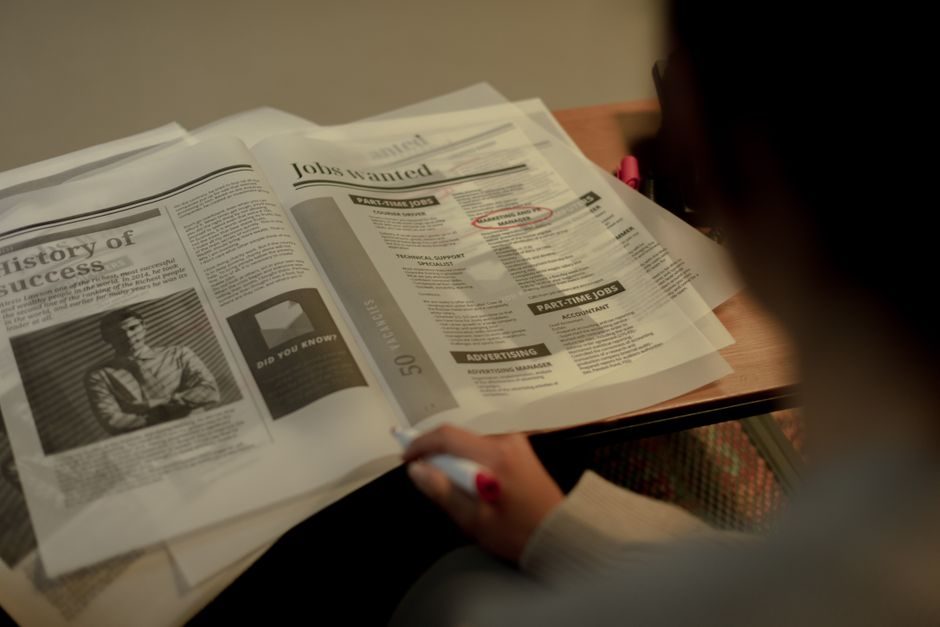
Choosing the right platform
Different platforms serve distinct needs. Some focus on housing, others on cars, jobs, or general goods. Readers should match the listing type to the platform’s strength to avoid irrelevant results. get your business listed in the USA can connect local enterprises with residents.
Compare search filters and how listings are displayed; a simple, well-structured listing can be easier to verify than a cluttered one. Look for clear prices, location, and contact details.
When in doubt, test both a general search and a targeted query to see which platform yields more reliable results. Start with a small, inexpensive item to gauge the process and legitimacy.
- Compare platforms by purpose
- Use filters to narrow results
- Test with a small purchase
- Note how listings present contact info
- Watch for obvious inconsistencies
Potential risks to watch
Recognizing misleading listings
Some ads exaggerate conditions or misrepresent items. Vague descriptions and high-pressure language are common red flags. USA obituaries
- Ask for measurements or proof of condition.
- Request multiple, dated photos that show the item in use.
- Avoid listings that refuse direct contact or screen messages.
- End conversations with any listing that raises more questions than provides answers.
Verify details by asking precise questions about age, condition, and any included accessories. Request recent photos showing serial numbers or model details.
If a listing asks for payment through untraceable methods or insists on private pickup, treat it as a warning sign and proceed with caution.
- Vague descriptions
- Pressure to act quickly
- Untraceable payment requests
- Missing or altered photos
- Inconsistent location details
Practical tips for safety and verification

Verifying seller identity
Always confirm the seller’s contact information and compare with the listing details. A consistent name, phone number, and location increases trust.
Ask for additional photos that show the item from multiple angles and a current date. This helps verify condition and freshness of the listing.
Whenever possible, meet in a public place or have a friend accompany you, and avoid sharing sensitive data like social security numbers or bank details.
- Confirm contact details
- Request recent photos
- Arrange a safe meeting place
- Limit personal data shared
- Document the exchange conditions
What readers should report to the newsroom
When to alert editors
Report misinformation that could mislead readers about item condition, prices, or legitimacy. Clear, verifiable errors deserve scrutiny and possible correction.
- ☐ Submit screenshots and URLs with a brief description.
- ☐ Note the date and time of the encounter.
- ☐ Include any correspondence with the seller.
- ☐ Provide your location and the listing category.
If you encounter a payment scam or a fraudulent listing, gather evidence like screenshots, listing URLs, and timestamps. This helps our newsroom verify and publish guidance.
Readers deserve transparency; reporting helps us track patterns and warn others about common tricks.
- Misinformation in ads
- Suspicious payment requests
- Unverifiable claims
- Repeated scams in a region
- Listings that disappear quickly
Frequently asked questions
What makes a local classifieds listing trustworthy?Trustworthy listings offer clear details, recent photos, and an accessible seller contact method. They invite questions and respond promptly. Readers should verify the information by asking specific questions and seeking corroborating details before committing to a purchase.
Can I meet the seller in public places safely?Yes. Arrange to meet in a visible, populated area such as a cafe or parking lot under daylight. Bring a friend if possible and avoid sharing sensitive data. Inspect the item thoroughly before handing over money and avoid rushed decisions.
What should I do if a listing seems suspicious?'Suspicious' is a signal to pause. Save evidence, stop communicating, and report it to the newsroom with a brief explanation. Do not send money or personal information until the listing is verified.
How does the newsroom use reader reports?Reader reports help identify patterns and warn others. We review evidence, verify details, and decide whether to publish warnings, corrections, or follow-up stories to explain risks and safe practices.
Next steps for readers
Readers should approach classifieds with clear questions and documented exchanges. Start by noting the item details, price, and seller contact information, then ask for additional photos or a quick call to verify intent. The goal is to gather enough information before any exchange.
With careful verification and timely reporting, readers can use classifieds as a practical tool rather than a risk. If something seems off, pause, document, and seek guidance from trusted sources, including our newsroom, to determine the safest course of action.
Add Solar Eclipse as a preferred source on Google


