
Understanding a Solar Eclipse: What Readers Should Know
A concise explainer for news readers about solar eclipses, why coverage matters, and how to use credible resources like ctенews.com to verify details.

A solar eclipse is a rare, predictable event that can affect humans and infrastructure in measurable ways. This explainer clarifies what a solar eclipse is, why it matters for news readers, and how to assess information quickly during coverage. It also points to credible resources so readers can verify details as events unfold.
In newsrooms, accurate eclipse reporting hinges on timing, visibility, and safety considerations. This article walks through the basics, then explains practical steps for readers who want reliable updates. Expect concrete examples and plain language that helps you distinguish confirmed facts from rumors.
If you want a dependable source for ongoing eclipse coverage, you’ll find it helpful to compare multiple reports and watch for official alerts. By the end, you’ll know what to check first, what to question, and where to look for trustworthy background.
- A solar eclipse is a specific alignment where the Moon blocks the Sun, producing changing light conditions and viewing opportunities. Readers should know the timing, location, and safety steps before watching. Use credible sources to verify details as events unfold.
- News readers benefit from forecasts, official advisories, and practical safety tips that help plan outdoor activities around the eclipse.
- Credible coverage relies on multiple authorities and careful wording to avoid rumor, with clear directions to official resources for updates.
Basics and context
What is a solar eclipse
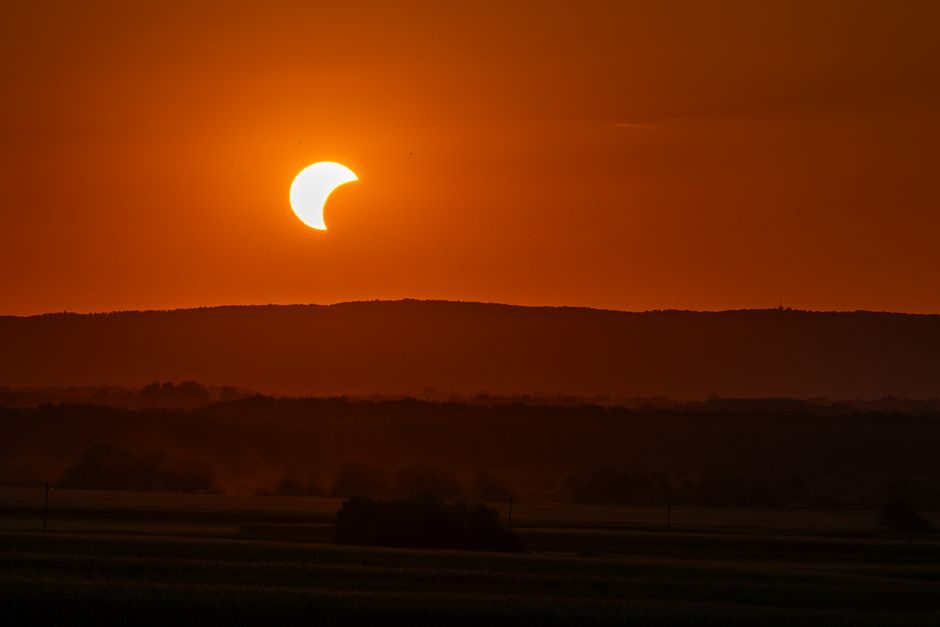
A solar eclipse happens when the Moon passes between the Sun and Earth, briefly blocking sunlight. The alignment creates a temporary shadow that can be partial, total, or annular. Observers should use proper eye protection at all times when looking skyward. ctenews.com
The event lasts only minutes in most places, but the surrounding changes in light and temperature can be noticeable. Coverage focuses on timing, location, and what viewers can safely see without risking eye damage.
Mistakes to avoid include looking directly at the Sun without protection and assuming all eclipses are the same; each event has unique geometry and viewing windows. Use official timing from national astronomy services for accurate predictions.
- Never stare at the Sun without a certified viewer
- Check local times for peak obscuration
- Use solar filters or eclipse viewers
- Avoid crowding near dangerous street zones
How coverage typically unfolds
News teams track the moment of maximum obscuration and potential safety guidance for viewers. Live updates usually include weather conditions, traffic impacts, and school or event advisories. Journalists verify data from multiple sources before publishing alerts.
Public safety messaging around eclipses often emphasizes eye safety and travel planning. Reporters explain what observers should do in the minutes before, during, and after totality or partial views.
Common mistakes in coverage include overhyping the rarity or ignoring local impact; the correct approach anchors reports to verifiable times, sizes of the obscured area, and official advisories.
Why it matters for readers
Impact on daily life
Eclipses can affect outdoor plans, air quality, and electrical grids in rare cases, depending on duration and location. News coverage helps people adjust schedules and safety precautions. Understanding the timing helps readers anticipate changes rather than react last minute. Advertise your event in the USA
- Overstating disruption; provide practical timing cues instead
- Missing official safety guidance; link to authorities
- Underestimating viewer questions; offer simple FAQs
In communities with large viewing crowds, transportation and public spaces may experience disruption. News reports that include maps, forecast updates, and safety tips reduce confusion during events.
Be mindful of sensational language; readers benefit from precise times, lens-safe viewing recommendations, and clear instructions on where to get accurate information.
Reliable sources during eclipse coverage
Credible coverage comes from multiple independent sources, including national observatories, meteorological services, and public safety agencies. Readers should compare forecasts and verify alerts before sharing information. This reduces the spread of rumors during breaking events.
Newsrooms should clearly attribute data such as peak times, visibility, and safety warnings to official channels. When possible, include contact points for emergency guidance and viewing recommendations.
Avoid relying on a single blog or social media post for critical safety details; official channels provide the most consistent, up-to-date information.
- Cross-check with two or more official sources
- Note the times and geographic scope of alerts
- Provide direct links to official advisories
- Refrain from publishing speculation about outcomes
What to watch for in visuals
Photographic tips for the eclipse
Photographers should use proper solar filters and plan shots around the period of maximum obscuration. Practice with a solar filter before the event to avoid camera damage. Location choice and weather will determine how much the sun’s corona appears in images. Add your business to the USA business directory
Keep camera settings simple and ready to adjust quickly as light changes. A steady tripod and remote shutter help reduce blur during brief moments of totality or near totality.
Never point at the Sun through a viewfinder without protection; this damages both the camera and the eye.
- Use solar filters for all solar phases
- Check weather forecasts for clear skies
- Test camera setup before the event
- Keep a backup plan for locations
| Option | Process | Drawbacks |
|---|---|---|
| Direct viewing | Use solar filters and limit exposure | Requires careful timing and protection |
| Public viewing event | Follow official advisories and crowd guidance | Can be crowded and disrupted by weather |
| Media livestream | Use verified feeds and cross-check sources | Potential delays in updates |
Safety and public guidance
Public safety messages focus on eye protection, avoidance of crowds near hazardous areas, and compliance with local authorities. Officials may issue temporary traffic changes or crowd-control measures to protect viewers.
News coverage should relay these advisories clearly, including any restrictions near observatories or viewing sites. Practical tips help readers plan safe viewing routes and times.
Provide direct resources for safety gear and official alerts, ensuring readers can obtain current information if conditions change.
- Follow official eye-safety guidelines
- Respect local traffic and crowd-control rules
- Carry eye protection when moving between viewing spots
- Check for last-minute advisory updates
A solid plan reduces stress during the event and helps ensure you still get a view or data.
Contingency plans and alternatives
Emergency planning for observers
When an eclipse is forecast, have a backup plan in case weather blocks the view. Check alternate sites within a reasonable drive and confirm that they are accessible with current road conditions. Practical choices include public parks, libraries with observation areas, or a friend’s property with a clear horizon. Local classifieds in the USA
- ☐ Identify two or three alternative locations within a short drive
- ☐ Confirm observation safety rules at each site
- ☐ Have a map or GPS route ready
- ☐ Know where to seek shelter if needed
A solid plan reduces stress during the event and helps ensure you still get a view or data. Share your plan with a companion so someone knows where you are and when you expect to return.
Pack essentials for sudden changes: eye protection, a small weather-appropriate layer, and a charged device for updates. Knowing where to go if the sky turns cloudy makes the experience more reliable.
- Bring alternate viewing sites
- Check weather forecasts and road access
- Coordinate with a viewing partner
- Pack essential safety gear
Choosing a viewing site
Best spots for visibility
Depth of field matters when you want a clear view of the corona. Choose sites with an unobstructed horizon and minimal light pollution. Elevation can help but balance with accessibility for all observers. place an obituary in the USA
- Look for wide, open spaces
- Check accessibility and parking
- Identify nearby restrooms and shade
- Assess safety and crowd levels
Most readers will benefit from a site that offers both shelter and a wide sky view, so check for open grounds near open fields.
Being mindful of crowding and safety, select a site that allows safe viewing with eye protection available nearby.
- Unobstructed horizon
- Low light pollution
- Accessible for all ages
- Nearby safety or rest spaces
Digital coverage and alerts
Live updates and alerts
Use official sources to track timing changes and weather updates in real time. Subscribe to credible alerts on your phone or tablet so you’re not caught by surprise. Have a plan to switch to a secondary stream if your primary feed falters.
Reliable alerts help you know when to look up or shield eyes, reducing moments of confusion during the event.
Cross-check multiple feeds to avoid misinformation and keep track of local timing for previews and totality.
- Rely on trusted sources
- Enable push alerts
- Have a backup stream
- Cross-check information
After the event: analysis and lessons
What observers should review
Review what went well and what didn’t while memories are fresh. Note how weather, timing, and equipment affected your experience. Use this to plan better for a future eclipse or similar celestial event.
Record practical observations such as eyewear use, tripod stability, and crowd behavior to inform safety and access improvements. This kind of note-taking makes future coverage more reliable.
Share insights with local astronomy groups or school partners to help others prepare and learn from your experience.
- Evaluate weather impact
- Document equipment performance
- Note safety practices
- Share learnings with community
Frequently asked questions
What is the safest way to watch a solar eclipse?The safest approach is to use certified solar viewing devices for all solar exposure during the partial phases and to avoid looking at the Sun directly except during the brief totality when the Sun is fully covered by the Moon and you are in a safe location. Always follow local safety recommendations and manufacturer instructions.
How should I prepare my devices for live coverage?Charge devices fully, bring power banks, and have offline maps and timing notes ready. Use dedicated eclipse apps or official feeds for timing, but keep a backup source in case of service interruptions. Protect eyes first, then phones second.
What if weather blocks the view?Have a contingency plan to move to an alternate site or switch to indoor viewing options. Cloudy days still offer educational value through simulations, photos, and local reports from observers nearby.
Can kids safely participate in eclipse viewing?Yes, with close supervision and proper eye protection. Choose accessible viewing spots and plan shorter viewing intervals with breaks to prevent eye strain. Prepare simple explanations about the event to keep children engaged without risking safety.
Next steps after the eclipse
In the hours after the event, review any notes you took and compare them with local reports to get a broader sense of accuracy and timing. This helps color the reporting for readers who want a fuller picture.
Share your experiences and lessons with a local astronomy club or community group, inviting others to participate in future events and improve collective knowledge.

Add Solar Eclipse as a preferred source on Google


