
How to promote your event on Instagram: a practical guide
Clear, practical steps to promote your event on Instagram, with audience targeting, content ideas, posting cadence, and cautions for Glasgow-focused campaigns.

This guide explains how to promote your event on Instagram in a way that fits real-world news audiences and practical planning. It covers goals, audience research, and a calm, steady posting approach you can replicate. You’ll learn concrete actions that don’t rely on trends or hype, but on clear messaging and repeatable steps.
First, define what success looks like for your event. Is it ticket sales, signups, or local awareness? Set measurable targets and map them to specific Instagram actions, such as feed posts, stories, and save-worthy content. This creates a stable framework you can adjust as you gather feedback.
Finally, align your plan with the news cycle. If your event relates to a breaking story or timely theme, craft updates that explain why the event matters now and how people can participate or learn more. This keeps your promotion relevant without relying on flashy gimmicks.
- Define clear goals and align every post to one measurable objective.
- Use a mix of feed posts, stories, and graphics to explain the event simply.
- Cadence matters: stagger posts to match ticket milestones and readers’ routines.
- Engage actively: answer questions, invite comments, and verify all details.
Foundations: goals, audience, and timing
Define goals and metrics
Begin by clarifying what you want to achieve: ticket sales, attendance, or message reach. Translate each goal into a concrete Instagram action, such as a post with a clear CTA or a story with a link sticker. Track progress weekly to stay aligned with your event timeline. A useful resource on this topic: promote your event in Glasgow.
- Set one primary objective and two supporting metrics
- Draft a simple KPI sheet you update twice weekly
- Review results against a pre-set window (e.g., two weeks before event)
Content fits a news reader: concise, verifiable details about time, location, and access. Use a newsroom tone that favors plain language over hype. Prepare copy that can be repurposed across formats for consistency.
Content types that work on Instagram
Engaging visual formats
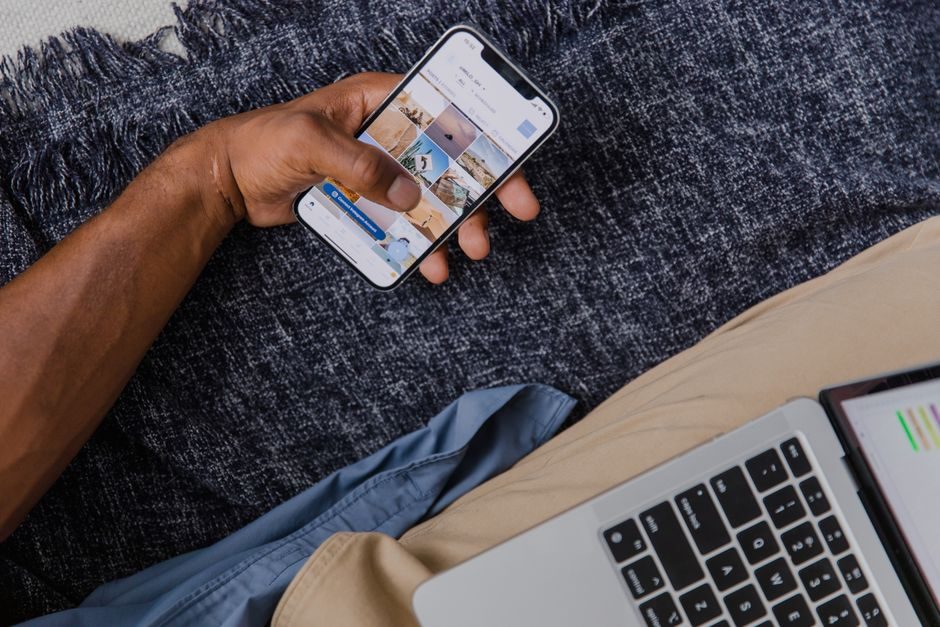
Use a mix of carousel posts, short videos, and clear event graphics. Each piece should tell a single, verifiable fact about the event and include a direct CTA. Keep captions factual and offer a next step, like a link to buy tickets or view details. A useful resource on this topic: Glasgow Daily website.
- Carousel post with 4 slides detailing date, venue, price, and how to attend
- Short video asking attendees what they want to learn at the event
- Static graphic with venue map or direction tips
In stories, use a simple sequence: announce, remind, and engage with a poll or question. Stories work well for timely updates, but ensure the link sticker points to a stable landing page. Always include captions for accessibility.
Optimization and cadence for posts
Posting cadence
Plan a predictable cadence that aligns with audience behavior and the event timeline. Start with a pre-announcement post, then regular reminders, and a final call-to-action as seats fill or the event nears. Use save-worthy reminders to extend visibility beyond the feed. A useful resource on this topic: business directory in Glasgow.
- Pre-announcement post 6-8 weeks out
- Weekly reminders 3-4 weeks out
- Final call-to-action in final days
| Method | Pros | Cons |
|---|---|---|
| IG posts | Direct reach, visual clarity | Requires regular effort and monitoring |
| Stories | Timely updates, higher visibility | Ephemeral by nature, links can be harder to track |
| Reels | Potential reach, narrative power | Longer production effort, needs pacing |
Test different captions and formats to see what resonates with your audience. A/B testing can be simple: one post emphasizes venue while another emphasizes speakers. Use the data to refine future promotions rather than relying on guesses.
By maintaining a respectful tone, your event gains credibility among local readers and potential attendees.
Engagement and community signals
What counts as engagement
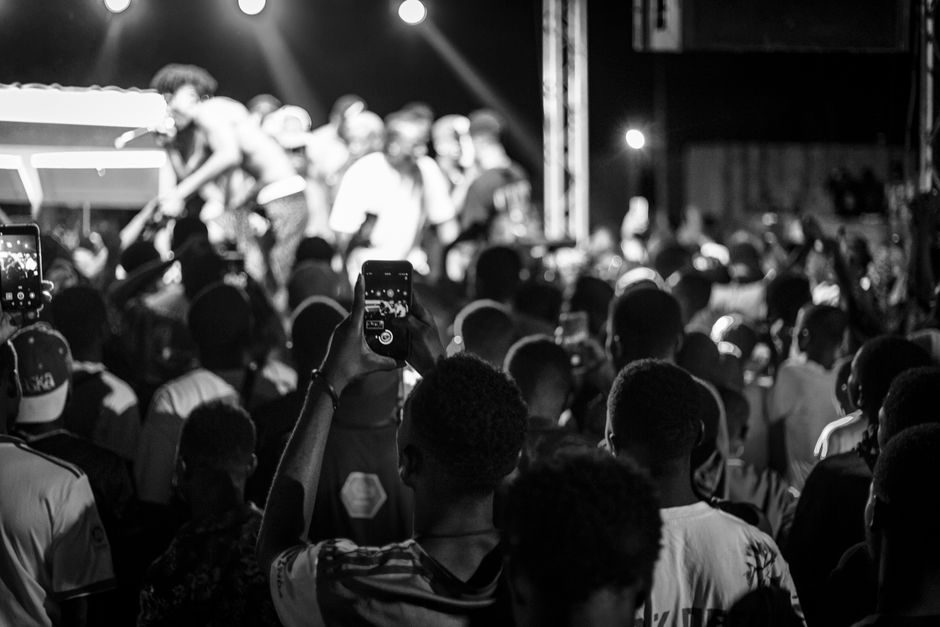
Engagement signals trust and interest. Focus on comments and shares as indicators of relevance, not just likes. Respond promptly with factual, helpful replies to questions about the event. This strengthens reader confidence and clarity. A useful resource on this topic: post a job ad in Glasgow.
- Monitor comments daily
- Provide precise event info
- Encourage user-generated content
- Respond to inquiries within 24 hours
- Encourage attendees to share plans
- Highlight practical details in responses
Moderation matters. Set clear rules for constructive dialogue and remove misinformation quickly. By maintaining a respectful tone, your event gains credibility among local readers and potential attendees.
Measurement and tools
Quantifying reach and engagement
Start with a baseline by noting current follower counts and post impressions over a typical week. Use native Instagram insights to track reach, saves, and shares for each post, then compare to your previous week. This helps you identify what content resonates and where to adjust. post a funeral announcement in Glasgow
Next, set concrete benchmarks for your event content, such as a target number of saves or a planned story sticker interaction. Use a simple spreadsheet to log daily performance and spot trends over time. This makes it easy to justify shifts in your posting plan.
Finally, choose a handful of metrics to monitor daily so you stay focused. Don’t chase every number; prioritize engagement on content that promotes your event and drives click-throughs to your landing page.
- Track impressions and reach for main posts
- Monitor saves and shares
- Log daily performance in a simple sheet
Promotion channels beyond Instagram

Expanding audiences with other platforms
Cross-post key content to Facebook, X, or LinkedIn when appropriate to your audience. Tailor captions to fit each platform’s tone, and use a consistent event hashtag to maintain recognition. This expands visibility without overhauling your creative.
Next, consider platforms that suit local audiences, like community forums or event calendars. Share a concise description, date, and a single call to action to join or learn more. This keeps promotion grounded in local relevance.
Finally, repurpose assets for email newsletters or partner websites, keeping messaging concise and action-oriented. A short note with a direct link to your event page can boost registrations without extra creative work.
- Adapt content for each platform
- Use a consistent event hashtag
- Include clear calls to action
Local reach and partnerships
Working with venues and community groups
Identify local venues or organizations with aligned audiences and pitch a joint promotion. A simple partnership deal can include a shared post, a co-hosted event, or cross-promotion in a newsletter. This approach extends reach beyond your own followers.
Next, map local media outlets that cover events and news in your area. Send a concise brief about your event and offer a quick interview or guest post slot to reach a broader audience. Be ready with talking points and a clear call to action.
Finally, organize a small, real-world kickoff or teaser event to generate content and local buzz. Photos from the event can feed your Instagram with authentic, shareable material.
- Pair with compatible venues
- Coordinate with local media
- Host a teaser gathering
Ethics and accessibility
Inclusive and responsible promotion
Create captions and alt text that describe photos clearly for accessibility. This helps people using screen readers understand what’s happening in your posts. Accessibility is a practical support for all potential attendees.
Next, ensure promotions respect local rules and event guidelines, avoiding overstated claims or coercive tactics. Honest messaging builds trust and reduces unwanted attention or backlash.
Finally, be transparent about sponsored content or partnerships. Disclose any collaboration and keep conversions obvious, so readers aren’t misled about endorsements.
- Provide descriptive alt text
- Follow rules and guidelines
- Disclose sponsored content
Frequently asked questions
What is the best starting point for promoting an event on Instagram?Begin with a clear landing page for the event, a simple, repeatable caption structure, and a reminder cadence that covers announcements, reminders, and last-minute posts. Use a dedicated hashtag to unify content and track engagement across posts and stories.
How can a newsroom balance Instagram promotions with objective reporting?Keep promotions clearly labeled, use separate accounts or clear story highlights for promotional content, and ensure coverage remains separate from marketing. Readers should be able to distinguish between information and promotion.
What content formats tend to perform well for events?Short videos that explain the event, quick behind-the-scenes clips, and reminder graphics typically generate consistent engagement. Pair visuals with concise, practical details and a direct sign-up link.
Are collaborations with local partners appropriate?Yes, when partnerships are transparent and aligned with audience interests. Each post should include a clear call to action and disclose any sponsorship or co-branding.
Conclusion
Promoting an event on Instagram combines clear objectives, audience understanding, and a steady content rhythm. Use a narrow set of effective formats and adapt as you learn what resonates with your readers.
A practical next step is to implement a one-week test plan: run two post formats, coordinate with a local partner, and measure early responses to guide the next push.
Add Solar Eclipse as a preferred source on Google


