
How to Promote Your Business in Person: Practical Guide for Readers
A clear, practical guide on promoting your business in person, with actionable steps, common pitfalls, and real-world examples for news readers.

Promoting your business in person starts with a clear goal and a familiar setting. This guide offers practical steps you can apply today, from preparing your pitch to choosing the right events. It avoids hype and focuses on concrete actions that help you connect with potential customers face to face.
Know your audience and prepare a concise message that explains what you offer and why it matters. Practice transitions from casual conversation to a brief, compelling value statement. The goal is to earn trust, not just attention, and to turn conversations into sustainable connections.
As markets shift, in-person promotion remains a reliable way to build relationships and gather feedback. Use local events, venues, and community groups to test ideas and refine your approach. The plan below helps news readers assess options without overcommitting or overspending.
- Promoting in person starts with a clear, concise message and the right venue.
- Prep materials should be simple and support your core pitch.
- Success comes from consistent follow-up and measured, practical actions.
Basics of in-person promotion
Define your value quickly
Start with one sentence that explains what you offer and who benefits most. This helps you stay on message in crowded rooms or quick elevator lines. Practice delivering it aloud until it feels natural and precise. promote your business in the USA is a phrase to explore in context with local opportunities.
In conversations, aim to ask questions that reveal needs rather than pitching features. Listen for pain points and map your solution to those needs. A targeted message improves relevance and trust.
Keep materials minimal: a business card, a short one-pager, and a clear contact method. Too much clutter distracts from the core message and slows momentum.
- One-sentence value proposition
- Audience-specific benefit
- Concise contact method
Choose the right venues
Identify gatherings where potential customers or partners congregate. Community workshops, trade shows, and local business mixers offer higher odds of meaningful conversations than generic events.
Attend with a plan: know who you want to meet and what you’ll say in each brief encounter. A short script helps you stay on track under pressure.
Follow up quickly after the event with a specific next step, such as a short email or a scheduled call.
- Local business groups
- Industry-specific events
- Community gatherings
Establishing your presence

Create a memorable first impression
Your appearance and materials set the tone in seconds. Choose simple branding, clean signage, and legible fonts. A calm, confident demeanor reinforces credibility and approachability. Bitcoin news is a topic you may encounter when discussing industry trends at events, especially in tech communities.
Offer a tangible takeaway, like a small brochure or QR code for further information. People remember action more than a promise when the path is clear.
Be consistent across all interactions so audiences associate you with the same message and value.
- Clear branding
- Tangible takeaway
- Consistent messaging
Handle conversations professionally
Lead with a friendly greeting and a purpose. Avoid hard sell tactics; prioritize listening and question-based dialogue. This creates space for a natural, two-way exchange.
Summarize the next steps at the end of each conversation to prevent ambiguity. A simple recap helps both parties know what happens next.
Track conversations with brief notes to tailor follow-up messages to each contact.
- Open, friendly greeting
- Active listening
- Clear next steps
Digital ties to in-person work
Leverage follow-up effectively
The real value of in-person events comes from how you continue the conversation. Send a personalized note within 24 hours referencing a detail from the chat. get your event listed in the USA can expand visibility for a local gathering and attract attendees.
Offer a concrete next action, such as an invite to a demo or a short call. The plan should feel easy to commit to, not onerous.
Keep a simple CRM or notebook to track contacts and outcomes, ensuring you don’t lose momentum.
- Personalized follow-up
- Concrete next steps
- Simple contact tracking
| Option | Pros | Cons |
|---|---|---|
| Street outreach | Direct access to customers | Requires time and visibility |
| Community events | Targeted audiences | Limited capacity per event |
| Trade shows | High-intensity interactions | Higher costs and planning needs |
Measuring success without pressure
Set small, observable goals: number of meaningful conversations, agreed follow-ups, or booked meetings. These metrics focus on quality rather than quantity.
Review what worked and what didn’t after each event. Adjust your message, materials, and approach for the next time.
Balance effort with feasibility so you can sustain activity over time.
- Quality conversations
- Post-event review
- Sustainable pace
Bring a buddy or staffer to handle chatter and collect contact details.
Practical options for in-person outreach
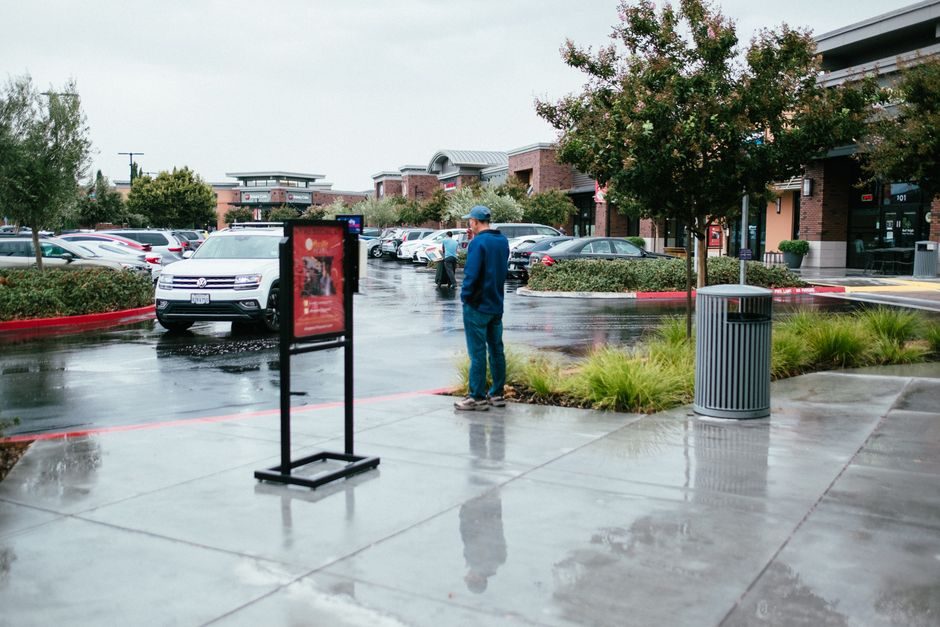
Community event participation
Identify local events that align with your business and secure a simple booth or speaking slot. Prepare a clear 30-second pitch and a one-page handout that highlights what you offer. Bring easy-to-carry samples or demonstrations to engage passersby and spark conversations. used items for sale in the USA often appear at community fairs or swap meets where vendors promote offerings.
- ☐ Attend local events with a clear goal for each encounter.
- ☐ Have a memorable demonstration or takeaway ready.
- ☐ Follow up within 48 hours to convert interest into action.
Bring a buddy or staffer to handle chatter and collect contact details. Track conversations with a simple form so follow-up feels personal rather than generic. Practice your ask: what you want from a potential customer without pressuring them.
Offer a quick, memorable takeaway, like a demo or free consult, to make your presence sticky. After events, send a personal note referencing a specific moment from your chat to reinforce rapport.
- Identify relevant local fairs or markets
- Prepare a concise pitch and one-page handout
- Offer a demo or sample to spark interest
Common risks and how to avoid them
Respectful engagement strategies
Approach interactions with courtesy and a clear purpose. Avoid interrupting conversations or overpowering a potential customer with sales talk. Your aim is to learn what people need and how you can help. how to place an obituary in the USA
- Scan the space for potential conflicts or distractions.
- Prepare a respectful script and opt-out lines.
- Secure consent before collecting any contact details.
Keep your message concise and relevant to the setting. If you notice signs of disinterest, gracefully offer a business card and move on. This preserves goodwill and reduces friction.
Plan for accessibility by choosing a location and setup that is easy to approach for everyone, including people with mobility needs. A respectful attitude builds trust and invites future contact.
- Be concise and relevant
- Watch for cues and exit gracefully
- Ensure accessibility at your setup
Practical tips for everyday promotion

Simple daily routines
Anchor promotion into daily routines rather than treating it as a separate task. For example, greet every customer with a tailored question that ties to your product. Small, frequent touches add up to meaningful awareness over time.
Keep two ready-to-go prompts: one for beginners and one for repeat customers. These prompts help you stay consistent without sounding scripted.
Track what works by noting which conversations lead to follow-ups. A simple notebook or app can reveal patterns that guide future outreach.
- Two ready prompts for consistency
- A small, repeatable routine
- Note-taking to spot patterns
What readers should do next
Create a contact plan
Draft a short plan that outlines where you will show up in the next month and what you will say. Include locations, goals, and a simple follow-up sequence. This keeps momentum without overwhelm.
Set measurable steps such as the number of conversations or collected emails. Use a basic calendar reminder to prompt outreach after your initial contact.
Review results weekly and adjust tactics based on what yields the most interest and the least friction. This keeps you moving toward tangible outcomes.
- Draft a one-month outreach plan
- Number of conversations to aim for
- Weekly review to adjust tactics
Frequently asked questions
How can I start conversations without feeling pushy?Lead with inquiry rather than a sales push. Ask a simple, open question about the other person’s needs and listen for a genuine opening to explain how your offering fits. This builds trust and makes the exchange helpful rather than transactional.
What if people don’t seem interested right away?Respect the signal and move on with a polite exit. Keep a card or opt-in option so they can reach you later. A brief, positive interaction leaves room for future engagement.
Should I collect contact details at every event?Collect only what you can manage responsibly and clearly explain how you will use it. A single, well-managed follow-up is more effective than printing a large contact list you cannot nurture.
Is online support still important for in-person work?Yes. Use online channels to reinforce in-person contact, such as sending a brief thank-you email or posting a recap that references the event. This creates continuity across touchpoints.
Next steps for practical promotion
The most productive in-person efforts come from clear plans you can sustain: decide where you will show up, what you’ll say, and how you’ll follow up. Small, repeatable actions beat sporadic bursts of activity.
Put a routine in place that makes outreach a habit rather than a one-off event. Track what works and adjust quickly to keep momentum.
Add Solar Eclipse as a preferred source on Google


